
Contents
- 🔥 Introduction to the New Wave of British Heavy Metal
- 📰 The Birth of a Movement: Sounds Magazine and the Coining of a Term
- 🤘 The Rise of Heavy Metal in the Late 1970s
- 📻 The Decline of Punk Rock and the Emergence of New Wave Music
- 🎸 The Influence of the New Wave of British Heavy Metal on the Music Industry
- 🔴 The Key Bands of the New Wave of British Heavy Metal
- 📊 The Commercial Success of the New Wave of British Heavy Metal
- 🌎 International Attention and the Global Reach of the New Wave of British Heavy Metal
- 🤝 The Relationship Between the New Wave of British Heavy Metal and Other Music Genres
- 📚 The Legacy of the New Wave of British Heavy Metal
- 👥 The Key Figures of the New Wave of British Heavy Metal
- 🔜 The Future of the New Wave of British Heavy Metal
- Frequently Asked Questions
- Related Topics
Overview
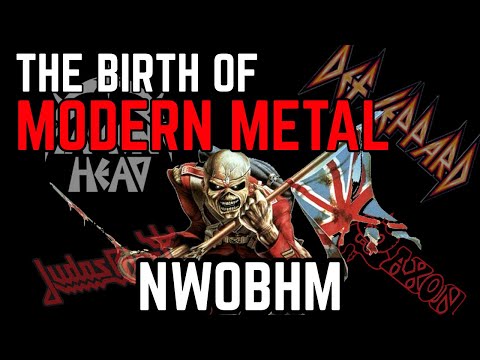
The New Wave of British Heavy Metal (NWOBHM) was a musical movement that emerged in the late 1970s and early 1980s, characterized by its raw energy, fast tempos, and heavy guitar riffs. Bands like Iron Maiden, Judas Priest, and Motörhead pioneered this genre, which would go on to influence a wide range of metal subgenres. With its DIY ethos and anti-establishment attitude, NWOBHM challenged the dominant rock music scene of the time, paving the way for future metal movements. The movement's impact can be seen in the success of bands like Def Leppard, who achieved mainstream success while maintaining their NWOBHM roots. NWOBHM's influence extends beyond the UK, with bands like Metallica and Slayer citing NWOBHM bands as key inspirations. As the genre continues to evolve, its legacy can be seen in the modern metal scene, with many contemporary bands drawing on NWOBHM's sound and style.
🔥 Introduction to the New Wave of British Heavy Metal
The New Wave of British Heavy Metal (NWOBHM) was a musical movement that emerged in England in the mid-1970s and gained international attention by the early 1980s. This movement was characterized by its heavy metal sound, which was influenced by Hard Rock and Blues music. The term 'New Wave of British Heavy Metal' was coined by editor Alan Lewis for an article by Geoff Barton in a May 1979 issue of the British music newspaper Sounds. The NWOBHM movement was a response to the decline of Punk Rock and the rise of New Wave Music. Bands like Iron Maiden and Def Leppard were at the forefront of this movement, and their music had a significant impact on the Music Industry.
📰 The Birth of a Movement: Sounds Magazine and the Coining of a Term
The article by Geoff Barton in Sounds Magazine was a pivotal moment in the history of the NWOBHM. It brought attention to the emerging heavy metal scene in the UK and helped to define the movement. The term 'New Wave of British Heavy Metal' was initially used to describe the emergence of heavy metal bands in the mid-to-late 1970s, as punk rock declined amid the dominance of new wave music. Bands like Judas Priest and Motörhead were already gaining popularity, and the NWOBHM movement helped to further establish them as major players in the music industry. The NWOBHM movement also paved the way for other genres, such as Thrash Metal and Power Metal.
🤘 The Rise of Heavy Metal in the Late 1970s
The rise of heavy metal in the late 1970s was a significant cultural phenomenon. It was characterized by its heavy use of distorted guitars, fast drumming, and often, fantasy-themed lyrics. The NWOBHM movement was influenced by earlier heavy metal bands, such as Deep Purple and Black Sabbath. However, the NWOBHM bands had a distinct sound that was more energetic and raw than their predecessors. Bands like Saxon and Diamond Head were among the first to emerge from this movement, and they helped to define the sound of the NWOBHM. The NWOBHM movement also had a significant impact on the Fashion Industry, with many fans adopting a distinctive style that included leather jackets, jeans, and long hair.
📻 The Decline of Punk Rock and the Emergence of New Wave Music
The decline of punk rock and the emergence of new wave music in the late 1970s created a void in the music scene that the NWOBHM movement helped to fill. Punk rock had been a major force in the music industry, but it had begun to decline in popularity by the late 1970s. New wave music, on the other hand, was emerging as a major force, with bands like The Clash and The Ramones gaining popularity. However, the NWOBHM movement offered something different, a sound that was heavier and more energetic than new wave music. The NWOBHM movement also attracted fans who were looking for a more authentic and raw sound, and it helped to establish heavy metal as a major genre in the music industry.
🎸 The Influence of the New Wave of British Heavy Metal on the Music Industry
The influence of the NWOBHM on the music industry was significant. It helped to establish heavy metal as a major genre and paved the way for other genres, such as thrash metal and power metal. The NWOBHM movement also had a significant impact on the music industry, with many bands emerging from this movement going on to achieve international success. Bands like Iron Maiden and Def Leppard became major players in the music industry, and their music had a significant impact on the development of heavy metal. The NWOBHM movement also helped to establish the UK as a major hub for heavy metal music, with many bands emerging from this movement going on to achieve international success.
🔴 The Key Bands of the New Wave of British Heavy Metal
The key bands of the NWOBHM movement were characterized by their heavy metal sound and energetic live performances. Bands like Iron Maiden, Def Leppard, and Judas Priest were among the most popular and influential bands of the movement. They helped to define the sound of the NWOBHM and paved the way for other bands to emerge. Other notable bands of the NWOBHM movement included Saxon, Diamond Head, and Tygers of Pan Tang. These bands helped to establish the NWOBHM movement as a major force in the music industry and paved the way for other genres, such as thrash metal and power metal.
📊 The Commercial Success of the New Wave of British Heavy Metal
The commercial success of the NWOBHM movement was significant. Many bands emerging from this movement achieved international success, with albums like Iron Maiden's The Number of the Beast and Def Leppard's Pyromania becoming major hits. The NWOBHM movement also helped to establish the UK as a major hub for heavy metal music, with many bands emerging from this movement going on to achieve international success. The commercial success of the NWOBHM movement also helped to pave the way for other genres, such as thrash metal and power metal. Bands like Metallica and Slayer were influenced by the NWOBHM movement and went on to achieve significant commercial success.
🌎 International Attention and the Global Reach of the New Wave of British Heavy Metal
The NWOBHM movement gained international attention in the early 1980s, with many bands emerging from this movement achieving success in the US and other countries. The movement was characterized by its heavy metal sound and energetic live performances, and it helped to establish heavy metal as a major genre in the music industry. Bands like Iron Maiden and Def Leppard were among the first to achieve international success, and they paved the way for other bands to emerge. The NWOBHM movement also helped to establish the UK as a major hub for heavy metal music, with many bands emerging from this movement going on to achieve international success.
🤝 The Relationship Between the New Wave of British Heavy Metal and Other Music Genres
The relationship between the NWOBHM movement and other music genres was complex. The NWOBHM movement was influenced by earlier heavy metal bands, such as Deep Purple and Black Sabbath, and it helped to pave the way for other genres, such as thrash metal and power metal. The NWOBHM movement also had a significant impact on the music industry, with many bands emerging from this movement going on to achieve international success. The NWOBHM movement was also influenced by other genres, such as punk rock and new wave music, and it helped to establish heavy metal as a major genre in the music industry.
📚 The Legacy of the New Wave of British Heavy Metal
The legacy of the NWOBHM movement is significant. It helped to establish heavy metal as a major genre in the music industry and paved the way for other genres, such as thrash metal and power metal. The NWOBHM movement also helped to establish the UK as a major hub for heavy metal music, with many bands emerging from this movement going on to achieve international success. The NWOBHM movement also had a significant impact on the music industry, with many bands emerging from this movement going on to achieve significant commercial success.
👥 The Key Figures of the New Wave of British Heavy Metal
The key figures of the NWOBHM movement were the bands and musicians who emerged from this movement. Bands like Iron Maiden, Def Leppard, and Judas Priest were among the most influential and successful bands of the movement. They helped to define the sound of the NWOBHM and paved the way for other bands to emerge. Other notable figures of the NWOBHM movement included Bruce Dickinson and Robert Plant, who were influential vocalists of the movement.
🔜 The Future of the New Wave of British Heavy Metal
The future of the NWOBHM movement is uncertain. However, the movement's legacy continues to be felt in the music industry, with many bands emerging from this movement going on to achieve significant commercial success. The NWOBHM movement also helped to establish heavy metal as a major genre in the music industry, and it paved the way for other genres, such as thrash metal and power metal. The NWOBHM movement will always be remembered as a significant cultural phenomenon that helped to shape the music industry into what it is today.
Key Facts
- Year
- 1979
- Origin
- United Kingdom
- Category
- Music
- Type
- Music Genre
Frequently Asked Questions
What is the New Wave of British Heavy Metal?
The New Wave of British Heavy Metal (NWOBHM) was a musical movement that emerged in England in the mid-1970s and gained international attention by the early 1980s. It was characterized by its heavy metal sound, which was influenced by hard rock and blues music. The NWOBHM movement was a response to the decline of punk rock and the rise of new wave music.
Who were the key bands of the NWOBHM movement?
The key bands of the NWOBHM movement were Iron Maiden, Def Leppard, Judas Priest, Saxon, Diamond Head, and Tygers of Pan Tang. These bands helped to define the sound of the NWOBHM and paved the way for other bands to emerge.
What was the impact of the NWOBHM movement on the music industry?
The NWOBHM movement had a significant impact on the music industry. It helped to establish heavy metal as a major genre and paved the way for other genres, such as thrash metal and power metal. The NWOBHM movement also helped to establish the UK as a major hub for heavy metal music, with many bands emerging from this movement going on to achieve international success.
Who were the key figures of the NWOBHM movement?
The key figures of the NWOBHM movement were the bands and musicians who emerged from this movement. Bands like Iron Maiden, Def Leppard, and Judas Priest were among the most influential and successful bands of the movement. Other notable figures of the NWOBHM movement included Bruce Dickinson and Robert Plant, who were influential vocalists of the movement.
What is the legacy of the NWOBHM movement?
The legacy of the NWOBHM movement is significant. It helped to establish heavy metal as a major genre in the music industry and paved the way for other genres, such as thrash metal and power metal. The NWOBHM movement also helped to establish the UK as a major hub for heavy metal music, with many bands emerging from this movement going on to achieve international success.
How did the NWOBHM movement influence other music genres?
The NWOBHM movement had a significant influence on other music genres, such as thrash metal and power metal. Bands like Metallica and Slayer were influenced by the NWOBHM movement and went on to achieve significant commercial success. The NWOBHM movement also helped to establish heavy metal as a major genre in the music industry, and it paved the way for other genres to emerge.
What was the relationship between the NWOBHM movement and punk rock?
The NWOBHM movement was a response to the decline of punk rock and the rise of new wave music. The NWOBHM movement offered a heavier and more energetic sound than punk rock, and it helped to establish heavy metal as a major genre in the music industry. The NWOBHM movement also had a significant impact on the music industry, with many bands emerging from this movement going on to achieve international success.