
Contents
Overview
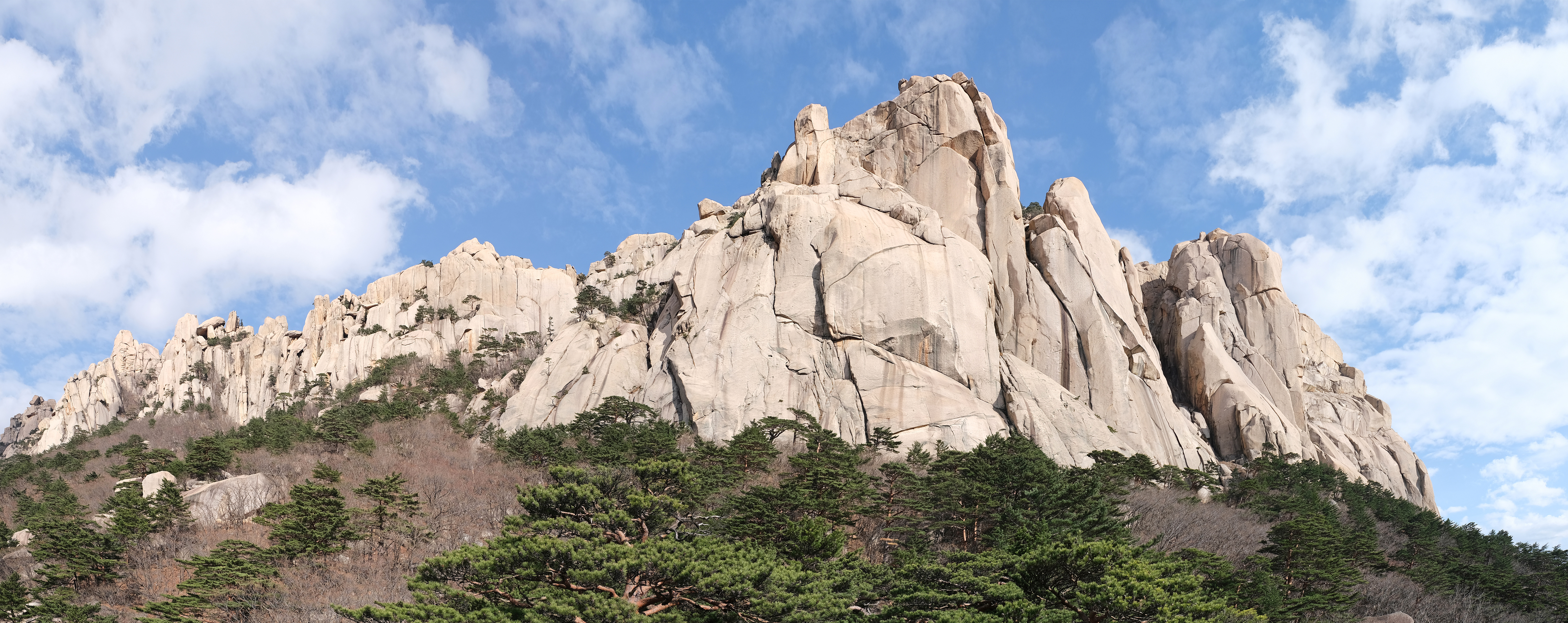
Seoraksan National Park in South Korea is reportedly a protected area with unique features, such as the Dinosaur Ridge, and is home to many rare taxa of flora and fauna. The International Union for Conservation of Nature (IUCN) has developed guidelines and standards for the management of protected areas. The Grand Canyon is considered one of the most iconic natural wonders in the United States, and the Kilimanjaro National Park in Tanzania is home to the highest peak in Africa.
🌳 Origins & History
Seoraksan National Park in South Korea is located on the east-central Korean peninsula. The park is home to many rare taxa of flora and fauna, including the Asian black bear and the Korean tiger. The park's unique features, such as the Dinosaur Ridge, make it a popular destination for tourists and nature enthusiasts.
🏞️ How It Works
The management and maintenance of abundant parks and nature reserves involve a range of activities, from habitat restoration to species conservation. The International Union for Conservation of Nature (IUCN) has developed guidelines and standards for the management of protected areas.
📊 Key Facts & Numbers
The Grand Canyon is considered one of the most iconic natural wonders in the United States, attracting millions of tourists each year. The Kilimanjaro National Park in Tanzania is home to the highest peak in Africa and is a popular destination for hikers and adventure seekers.
👥 Key People & Organizations
Key people and organizations involved in the conservation of abundant parks and nature reserves include Jane Goodall, a renowned primatologist and conservationist, and Leonardo DiCaprio, an actor and environmental activist. Organizations like The Nature Conservancy and the Wildlife Conservation Society also play a crucial role in supporting the conservation efforts of these protected areas.
🌍 Cultural Impact & Influence
Abundant parks and nature reserves have a significant cultural impact and influence on human societies. The Grand Canyon and the Kilimanjaro National Park are examples of protected areas that provide a range of ecosystem services, including air and water filtration, soil formation, and climate regulation, which are essential for human well-being.
⚡ Current State & Latest Developments
The current state of abundant parks and nature reserves is a topic of ongoing debate and discussion. While there have been significant advances in conservation efforts, many protected areas are still under threat from human activities such as deforestation, pollution, and climate change.
🤔 Controversies & Debates
The conservation of abundant parks and nature reserves is not without controversy and debate. Some argue that protected areas can have negative impacts on local communities, such as limiting access to natural resources and restricting economic development. Others argue that the benefits of conservation outweigh the costs and that protected areas are essential for maintaining ecosystem services and supporting human well-being.
🔮 Future Outlook & Predictions
The future outlook for abundant parks and nature reserves is uncertain. However, there is growing recognition of the importance of these areas for human well-being and the need to protect them for future generations.
💡 Practical Applications
Abundant parks and nature reserves have many practical applications, from supporting sustainable tourism to providing ecosystem services. For example, some national parks offer eco-lodges and guided tours.
Key Facts
- Category
- nature
- Type
- topic