
Contents
Overview
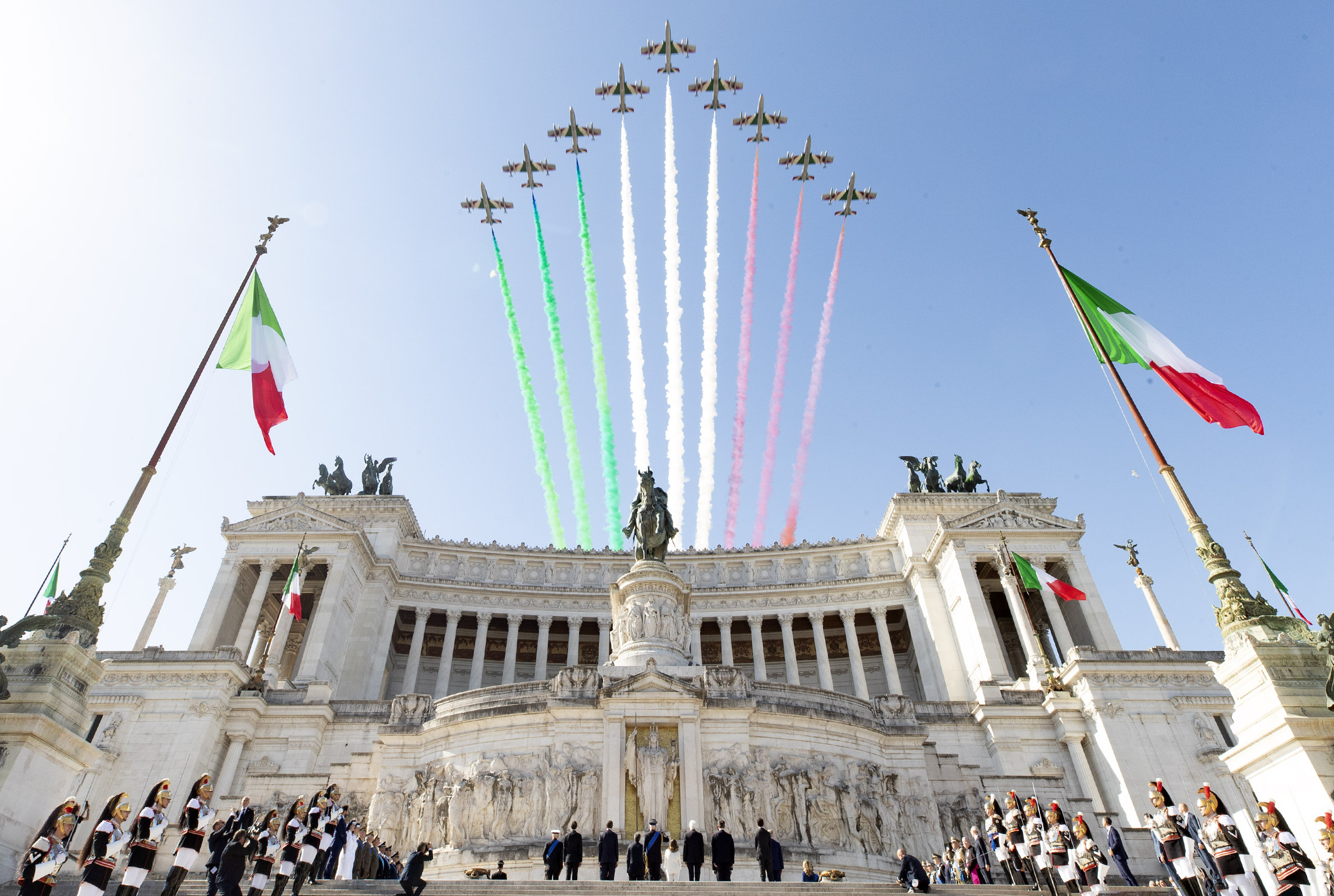
The genesis of aerobatic flight is intrinsically linked to the very dawn of aviation, born from the audacious spirit of early aviators like Louis Blériot and Adolphe Pégoud. Adolphe Pégoud explored the boundaries of flight, performing loops, rolls, and inverted flight in his Blériot XI monoplane, solidifying the concept of 'aerobatics' as a distinct discipline. These early experiments, often performed for public spectacle and to prove the airworthiness of new designs, laid the groundwork for what would become a competitive sport and a vital training tool. The interwar period saw the formalization of aerobatic teams, such as the Royal Air Force's Red Arrows (though formed much later, their lineage traces back), and the development of specialized aircraft like the de Havilland Tiger Moth and the Yakovlev Yak-3, designed for agility and stress tolerance.
⚙️ How It Works
At its core, aerobatic flight manipulates an aircraft's attitude and trajectory through precise control inputs, exploiting aerodynamic principles beyond normal flight envelopes. Maneuvers are typically categorized by the axis of rotation: longitudinal (roll), lateral (pitch), and vertical (yaw). Ailerons, elevators, and rudder are used in concert to induce rolls, loops, hammerheads, and spins. For instance, a loop involves pitching the aircraft nose-up, pulling through a vertical climb, and then pitching down to complete a circle in the vertical plane. Aileron rolls, conversely, use the ailerons to rotate the aircraft around its long axis. Advanced maneuvers like the 'torque roll' or 'humpty bump' require a nuanced understanding of engine power, propeller effects, and control surface interactions to execute successfully. The structural integrity of aerobatic aircraft is paramount, as maneuvers can subject the airframe to extreme G-forces.
📊 Key Facts & Numbers
The world of aerobatics is quantified by impressive figures. Aerobatic competitions, such as the Red Bull Air Race (though now defunct, it was a major event) and the Fédération Aéronautique Internationale (FAI) World Aerobatic Championships, feature pilots performing sequences with an average of 10-15 maneuvers. The global market for aerobatic aircraft, while niche, is estimated to be worth hundreds of millions of dollars annually. Airshow attendance can reach hundreds of thousands, with major events like the EAA AirVenture Oshkosh drawing over 500,000 attendees, a significant portion of whom come to witness aerobatic performances.
👥 Key People & Organizations
Pioneers like Adolf Scholz, credited with developing the first dedicated aerobatic aircraft in the 1930s, and Pete Bonanni, a legendary American aerobatic pilot and instructor, have shaped the discipline. Organizations such as the International Aerobatic Club (IAC) and the Fédération Aéronautique Internationale (FAI) are crucial for standardizing rules, organizing competitions, and promoting safety. In the realm of aircraft manufacturing, companies like Extra Flugzeugbau and Zivko Aeronautics are renowned for producing high-performance aerobatic planes. Legendary performers such as Charlie Hillard and Bob Hoover became household names through their captivating airshow routines, inspiring generations of pilots and enthusiasts.
🌍 Cultural Impact & Influence
Aerobatic flight has profoundly influenced aviation culture, inspiring countless individuals to pursue flying and pushing the boundaries of aircraft design and pilot skill. Its visual spectacle has been a staple of airshows for decades, captivating audiences at events like the London Air Show and the Paris Air Show. Beyond entertainment, aerobatic training has been integrated into advanced pilot education, enhancing spatial awareness and emergency recovery skills for military and commercial pilots alike. The discipline has also found its way into popular culture, featuring in films like 'Top Gun' and 'The Blue Max,' further cementing its image as the pinnacle of aerial prowess. The development of specialized aerobatic aircraft has also trickled down into other aviation sectors, influencing the design of high-performance general aviation planes.
⚡ Current State & Latest Developments
The current landscape of aerobatic flight is characterized by continuous innovation in aircraft technology and a growing emphasis on safety protocols. The development of advanced flight control systems and lighter, stronger materials continues to push the envelope of what's possible. While traditional airshows remain popular, new formats like the Red Bull Air Race (prior to its cessation) demonstrated a trend towards more dynamic, competitive racing formats. The rise of drone racing has also seen a parallel evolution, with remote-piloted aircraft performing complex aerial maneuvers, sometimes inspired by full-scale aerobatics. Furthermore, the integration of virtual reality and advanced simulators is transforming aerobatic training, offering more accessible and cost-effective ways to develop critical skills. The FAI continues to refine competition rules, ensuring a high standard of performance and safety for its sanctioned events.
🤔 Controversies & Debates
The primary controversy surrounding aerobatic flight centers on safety and environmental impact. Despite rigorous training and aircraft maintenance, accidents, though rare, can be catastrophic, leading to debates about the acceptable level of risk. Critics point to the noise pollution generated by high-performance engines, particularly in densely populated areas where airshows are held. There's also an ongoing discussion about the environmental footprint of aviation fuel consumption, a concern that extends to all forms of flight but is amplified in the context of high-intensity aerobatic maneuvers. Some argue that the resources dedicated to aerobatics could be better allocated to more pressing aviation safety or environmental initiatives. Conversely, proponents highlight the crucial role of aerobatic training in enhancing pilot skills and the significant economic and cultural benefits derived from airshows and competitions.
🔮 Future Outlook & Predictions
The future of aerobatic flight appears poised for continued evolution, driven by advancements in materials science, propulsion, and digital technology. We can anticipate the emergence of even more agile and resilient aircraft, potentially incorporating electric or hybrid propulsion systems to address environmental concerns. The integration of artificial intelligence in flight control could lead to new classes of maneuvers and enhanced safety features, assisting pilots in executing complex sequences or recovering from critical situations. Virtual and augmented reality will likely play an even larger role in training and performance, offering immersive experiences that blur the lines between simulation and reality. Furthermore, the increasing popularity of autonomous systems might eventually lead to AI-piloted aerobatic displays, raising new questions about the role of human pilots in the future of aerial performance.
💡 Practical Applications
Aerobatic flight has several crucial practical applications beyond entertainment. Its most significant contribution is in pilot training, where mastering unusual attitude recovery and high-G maneuvers enhances a pilot's ability to handle emergencies in any aircraft, from commercial airliners to military jets. This training is fundamental for fighter pilots, enabling them to perform combat maneuvers and maintain control under extreme stress. Aerobatic aircraft are also utilized for specialized aerial photography and cinematog
Key Facts
- Category
- technology
- Type
- topic