
Contents
Overview
The genesis of Appalachian musical influences can be traced back to the waves of European settlers who arrived in the American colonies starting in the 17th century. These immigrants brought with them a rich tradition of folk songs, ballads, hymns, and instrumental dance music. As they ventured westward into the Appalachian Mountains, geographic isolation and a distinct cultural environment allowed these traditions to evolve with fewer external pressures. Crucially, the African diaspora also contributed significantly, particularly through the introduction of the banjo, an instrument of West African origin, which became a cornerstone of Appalachian music. Early European settlers, including Scots-Irish, English, and German immigrants, established the melodic and harmonic frameworks, while enslaved Africans and later Black communities infused rhythmic complexity and the banjo's unique percussive sound. This fusion, occurring from the 18th century onwards, laid the groundwork for what would become distinctively Appalachian sounds, later documented by folklorists like Bascom Lamar Lunsford in the early 20th century.
⚙️ How It Works
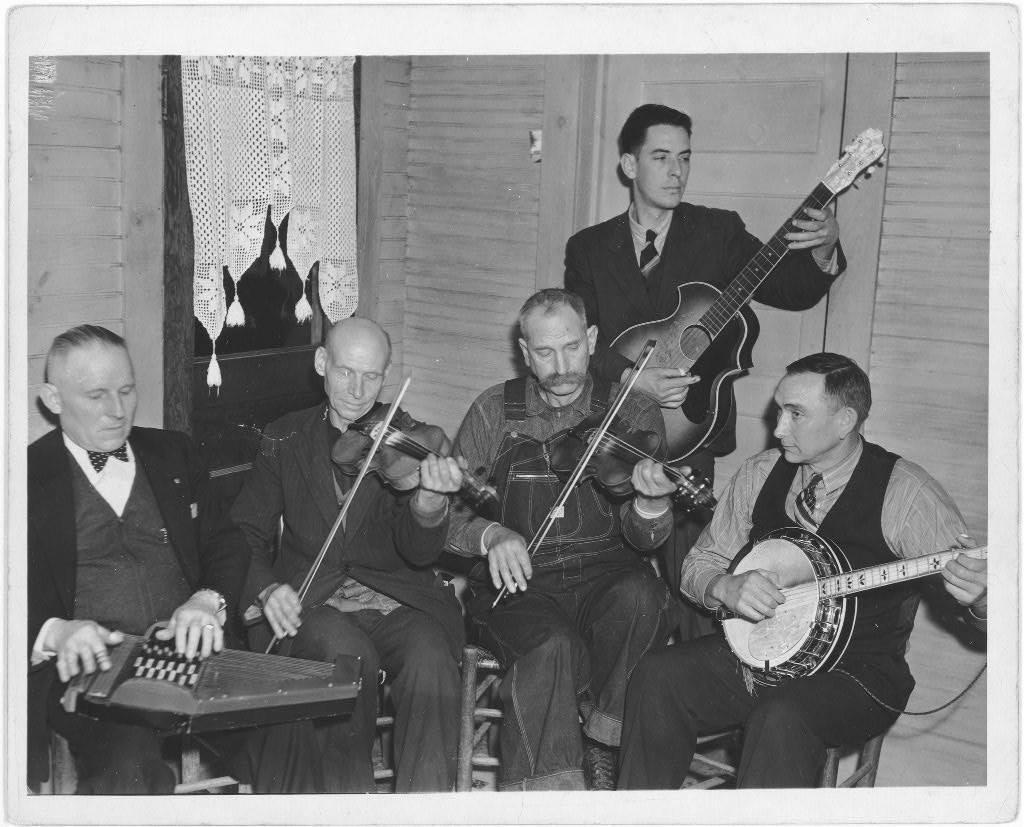
Appalachian music operates through a framework of oral tradition, where melodies, lyrics, and instrumental techniques are passed down through generations, often within families and local communities. The core instrumentation typically includes the five-string banjo, the American fiddle, the fretted dulcimer, and later, the guitar. Melodies are often modal, drawing from ancient European scales, and feature a characteristic 'lonesome' or 'haunting' quality. Vocal styles range from clear, unadorned storytelling in ballads to the high, lonesome sound often associated with bluegrass singing, influenced by the natural acoustics of mountain hollers and the need for voices to carry over distances. Instrumental arrangements frequently emphasize improvisation within established song structures, particularly in fiddle tunes and banjo breakdowns, showcasing a blend of European harmonic structures and African rhythmic syncopation. The narrative lyrical content often focuses on themes of daily life, hardship, love, loss, and historical events, reflecting the experiences of the Appalachian people.
📊 Key Facts & Numbers
The first commercial recordings of Appalachian music emerged in the 1920s, a period often referred to as the 'hillbilly music' era, with artists like Fiddlin' John Carson and the Carter Family achieving significant popularity. By the 1930s, an estimated 75% of American popular music sales were attributed to country and related folk genres, with Appalachian sounds forming a substantial portion. The bluegrass subgenre, largely codified by Bill Monroe and his Blue Grass Boys in the 1940s, features rapid tempos and virtuosic instrumental solos, selling millions of records and influencing countless musicians. During the American folk music revival of the 1950s and 1960s, artists like Woody Guthrie and Pete Seeger brought renewed attention to traditional Appalachian music, with festivals like the Newport Folk Festival drawing crowds of over 17,000 attendees by 1965. Today, the global market for folk and traditional music, including genres heavily influenced by Appalachian sounds, is valued in the billions of dollars annually.
👥 Key People & Organizations
Pivotal figures in shaping Appalachian musical influences include Bascom Lamar Lunsford, a folklorist and musician who founded the Mountain Dance and Folk Festival in Asheville, North Carolina, in 1928, helping to preserve and promote traditional music. The Carter Family, often called the 'First Family of Country Music,' whose recordings from 1927 onwards established a template for country songwriting and performance. Bill Monroe, the 'Father of Bluegrass,' whose innovative ensemble playing and distinctive vocal style with his Blue Grass Boys band defined a new genre. Clarence Ashley and Dock Boggs were early banjo virtuosos whose recordings from the 1920s and 30s remain influential. Organizations like the Appalachian Studies Association and the Library of Congress's American Folklife Center have played crucial roles in documenting and archiving this musical heritage, ensuring its survival and accessibility for future generations. Contemporary artists like Rhiannon Giddens continue to explore and recontextualize these traditions.
🌍 Cultural Impact & Influence
The influence of Appalachian music is pervasive throughout American popular culture. It formed the bedrock of country music, shaping its lyrical themes, instrumentation, and vocal delivery. The energetic, improvisational style of bluegrass directly influenced the development of rock and roll, particularly in the work of early pioneers like Elvis Presley, who drew heavily on country and blues. The narrative storytelling and melodic structures found in Appalachian ballads can be seen in countless folk-rock and Americana artists. Furthermore, the distinctive sound of the five-string banjo, once primarily associated with Appalachian music, has been re-adopted and re-imagined by musicians across genres, from progressive bluegrass to indie rock. The aesthetic of authenticity and 'roots music' that Appalachian traditions embody continues to be a powerful draw for audiences seeking genuine cultural expression, impacting everything from fashion to film soundtracks.
⚡ Current State & Latest Developments
In 2024 and 2025, Appalachian musical influences remain vibrantly alive and continue to evolve. Contemporary artists are increasingly blending traditional Appalachian sounds with modern genres, creating innovative fusions. For instance, artists like Billy Strings are pushing the boundaries of jamgrass, a subgenre of bluegrass that incorporates elements of rock and improvisation, drawing massive crowds at festivals like Telluride Bluegrass Festival. The Appalachian Roots Music Festival, held annually in West Virginia, showcases both established traditional artists and emerging musicians exploring new interpretations. Streaming platforms like Spotify and YouTube have made vast archives of historical Appalachian recordings accessible to a global audience, fostering new interest. Educational institutions, such as the Appalachian State University's music department, are actively incorporating traditional Appalachian music into their curricula, ensuring its transmission to younger generations. The ongoing exploration of the genre's African American roots, championed by artists like Rhiannon Giddens, is also gaining significant traction, enriching the understanding of its complex heritage.
🤔 Controversies & Debates
A significant debate surrounds the appropriation versus appreciation of Appalachian musical traditions. Critics argue that mainstream artists and industries have often profited from Appalachian sounds without adequately crediting or compensating the communities and individuals who originated them, a phenomenon particularly evident during the early commercialization of country music. The term 'hillbilly music' itself is contentious, seen by some as a derogatory label imposed by outsiders. Another point of contention is the emphasis on certain aspects of the tradition, such as the 'lonesome' or 'poverty' narrative, which can perpetuate stereotypes about Appalachia. Furthermore, the historical marginalization of the contributions of African Americans to Appalachian music, particularly the banjo's origins, is a subject of ongoing scholarly and artistic correction, with figures like Rhiannon Giddens leading efforts to reclaim and highlight these crucial elements. The tens
Key Facts
- Category
- culture
- Type
- topic