
Contents
- 🎯 Introduction to AI in Healthcare
- ⚙️ How AI and ML Work in Healthcare
- 📊 Key Applications and Statistics
- 👥 Key Players and Organizations
- 🌍 Global Impact and Adoption
- ⚡ Current State and Latest Developments
- 🤔 Controversies and Debates
- 🔮 Future Outlook and Predictions
- 💡 Practical Applications and Implementations
- 📚 Related Topics and Deeper Reading
- Frequently Asked Questions
- References
- Related Topics
Overview
Artificial intelligence (AI) and machine learning (ML) are transforming the healthcare industry by analyzing complex medical data, improving diagnosis accuracy, and streamlining treatment protocols. With applications in diagnostics, personalized medicine, and patient monitoring, AI and ML are poised to revolutionize healthcare. However, concerns surrounding data privacy, job automation, and algorithmic bias must be addressed.
🎯 Introduction to AI in Healthcare
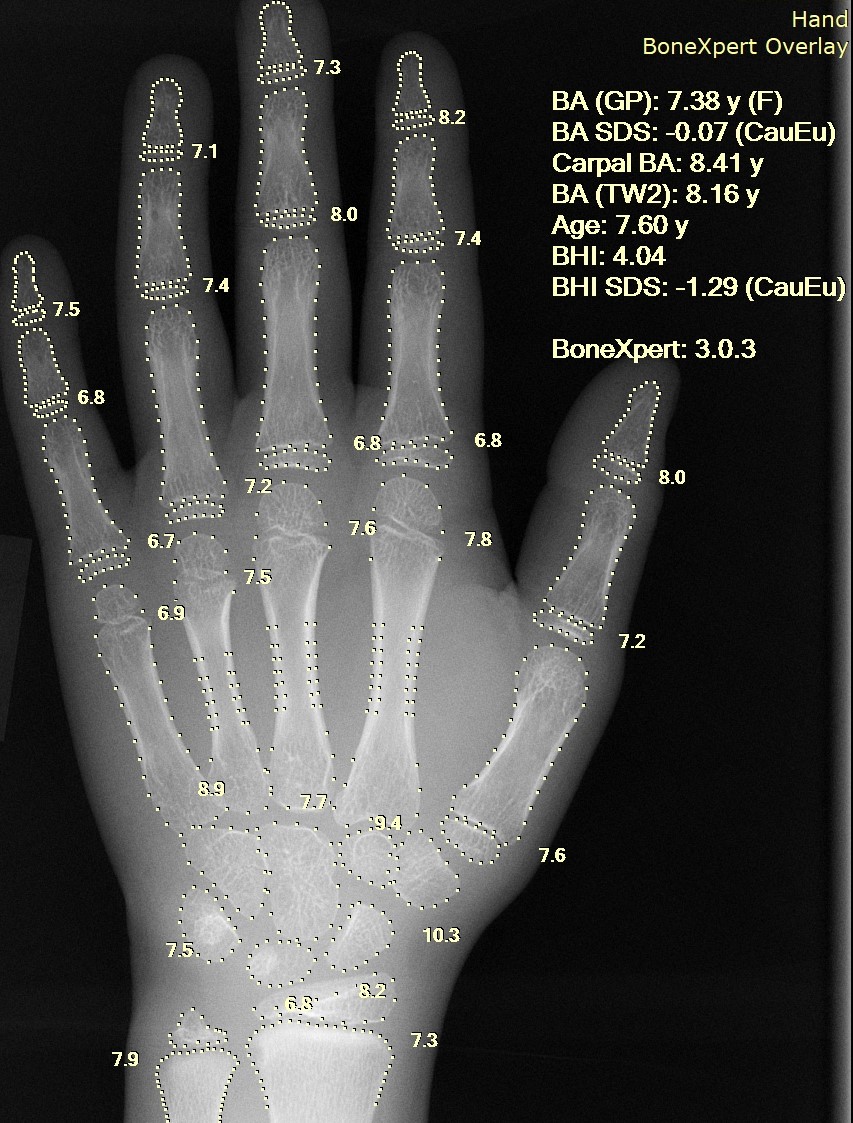
Today, AI is being applied to various medical subdisciplines, including radiology, cardiology, and oncology. For instance, GE Healthcare has developed an AI-powered platform for medical imaging analysis.
⚙️ How AI and ML Work in Healthcare
AI and ML algorithms can analyze vast amounts of medical data, including electronic health records (EHRs), medical images, and genomic data. This enables healthcare professionals to diagnose diseases more accurately and develop personalized treatment plans. DeepMind has developed an AI system that can detect breast cancer from mammography images with high accuracy.
📊 Key Applications and Statistics
The potential applications of AI in healthcare are vast. AI-powered chatbots are being used to improve patient engagement and provide personalized health advice. Additionally, AI-driven predictive analytics are helping healthcare providers predict patient outcomes and prevent hospital readmissions.
👥 Key Players and Organizations
Key players in the AI in healthcare space are investing in AI-powered healthcare solutions, including AI-assisted diagnosis, personalized medicine, and patient monitoring.
🌍 Global Impact and Adoption
The global adoption of AI in healthcare is on the rise. However, concerns surrounding data privacy, job automation, and algorithmic bias must be addressed. The use of AI-powered diagnostic tools has raised concerns about biased decision-making.
⚡ Current State and Latest Developments
As of 2022, the current state of AI in healthcare is rapidly evolving. New applications and innovations are emerging, such as AI-powered medical imaging analysis and AI-driven patient monitoring.
🤔 Controversies and Debates
Controversies surrounding AI in healthcare include concerns about data privacy, job automation, and algorithmic bias. For example, the use of AI-powered diagnostic tools has raised concerns about biased decision-making.
🔮 Future Outlook and Predictions
The future outlook for AI in healthcare is promising. As AI technology continues to evolve, we can expect to see new applications and innovations emerge.
💡 Practical Applications and Implementations
Practical applications of AI in healthcare include AI-powered medical imaging analysis, AI-driven patient monitoring, and AI-assisted diagnosis.
Key Facts
- Year
- 2022
- Origin
- Global
- Category
- technology
- Type
- concept
Frequently Asked Questions
What is AI in healthcare?
AI in healthcare refers to the application of artificial intelligence to analyze and understand complex medical and healthcare data. This includes AI-powered medical imaging analysis, AI-driven patient monitoring, and AI-assisted diagnosis.
How does AI work in healthcare?
AI algorithms can analyze vast amounts of medical data, including electronic health records (EHRs), medical images, and genomic data. This enables healthcare professionals to diagnose diseases more accurately and develop personalized treatment plans.
What are the benefits of AI in healthcare?
The benefits of AI in healthcare include improved diagnosis accuracy, streamlined treatment protocols, and enhanced patient care. AI-powered chatbots can also improve patient engagement and provide personalized health advice. Additionally, AI-driven predictive analytics can help healthcare providers predict patient outcomes and prevent hospital readmissions.
What are the challenges facing AI in healthcare?
Challenges facing AI in healthcare include concerns surrounding data privacy, job automation, and algorithmic bias.