
Contents
Overview
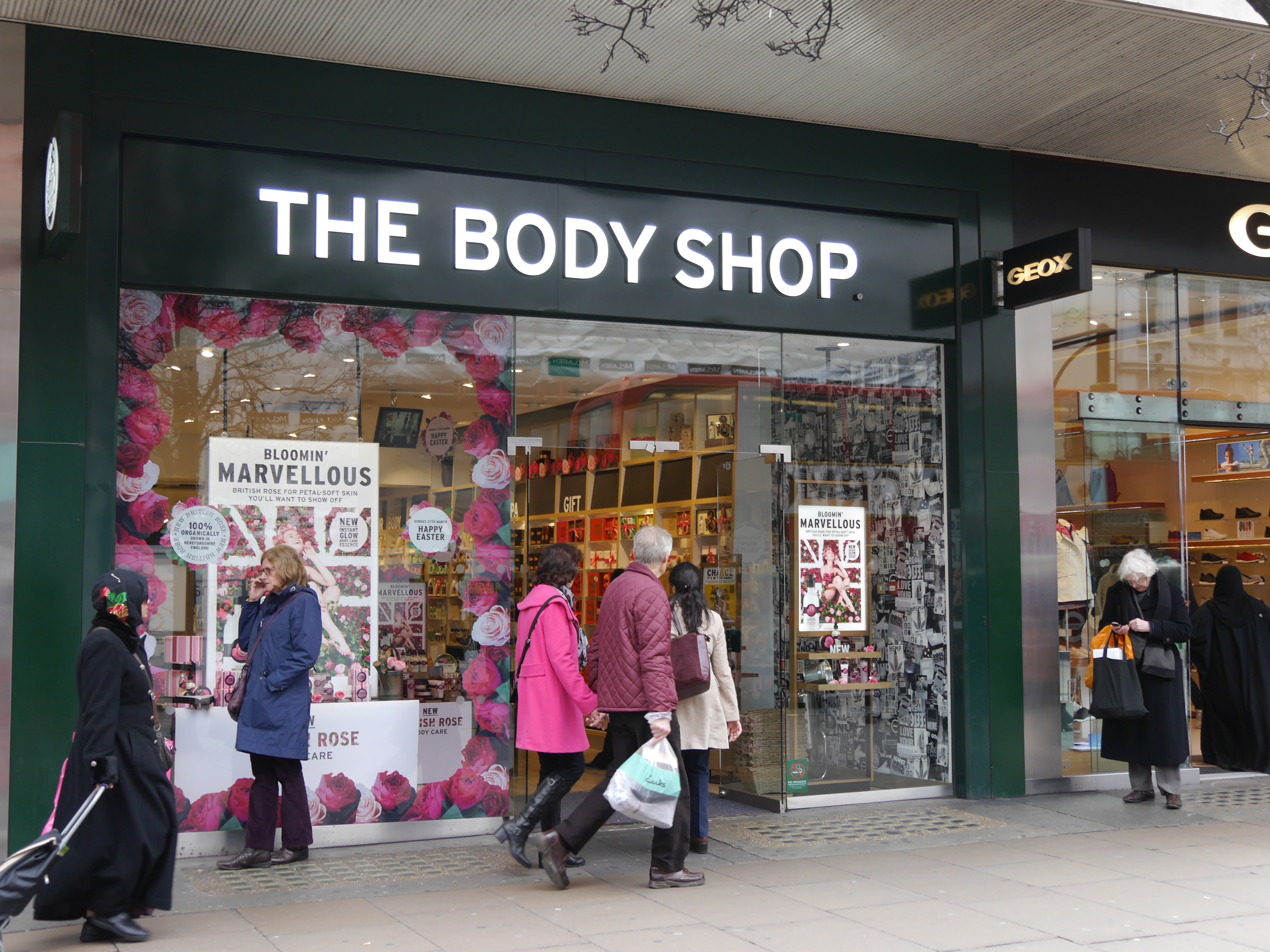
The origins of Aurea Group are somewhat opaque, a common characteristic of private investment firms operating below the radar of extensive public scrutiny. While the group's formal establishment date isn't widely publicized, its emergence as a significant acquirer of heritage brands became prominent in late 2023 and 2024. The pivotal moment for Aurea Group was its acquisition of The Body Shop, a transaction that brought the firm into the global spotlight. This acquisition followed a series of ownership changes for The Body Shop, including its time under L'Oréal from 2006 to 2017, then Natura & Co from 2017 to 2023, and a brief, turbulent period under Aurelius. The strategic rationale behind Aurea Group's entry into these acquisitions, particularly The Body Shop, suggests a calculated move to capitalize on brands with established brand equity and a loyal, albeit potentially shrinking, customer base. The firm's approach seems to be one of acquiring distressed assets with the aim of restructuring and potentially re-energizing them, a strategy that carries inherent risks and rewards in the competitive retail sector.
⚙️ How It Works
Aurea Group operates as a private equity firm, employing a strategy of acquiring companies, often those facing financial difficulties or undergoing significant transitions. The core mechanism involves identifying undervalued assets with strong brand recognition and attempting to implement operational efficiencies, strategic realignments, and financial restructuring to improve profitability. For The Body Shop, this likely entails a deep dive into its supply chain, marketing strategies, and retail footprint. The firm's operational model is not publicly detailed, but it's presumed to involve a combination of in-house expertise and external consultants to manage the turnaround of its portfolio companies. The success of this model hinges on Aurea Group's ability to inject capital, implement effective management, and navigate the complex challenges of modern retail, including shifting consumer demands for sustainability and digital engagement. Their approach is less about disruptive innovation and more about the careful stewardship and optimization of existing brand equity.
📊 Key Facts & Numbers
While Aurea Group itself is privately held and its financial specifics are not publicly disclosed, the scale of its recent acquisition of The Body Shop provides a significant data point. The Body Shop was sold by Natura & Co for an undisclosed sum, but Natura had acquired it for £880 million in 2017, indicating a substantial valuation, even if diminished. The Body Shop operates approximately 1,000 retail locations worldwide, employing thousands of staff. In the UK alone, prior to the administration, it had 198 stores. The administration process initiated by Aurelius in February 2024 led to plans to close up to half of these UK stores, impacting hundreds of jobs. Aurea Group's acquisition aims to stabilize these operations, though the exact number of stores and employees it intends to retain remains a key variable. The financial health of The Body Shop prior to acquisition was reportedly precarious, with significant losses reported in recent years, underscoring the financial challenge Aurea Group has undertaken.
👥 Key People & Organizations
The most prominent organization directly associated with Aurea Group is The Body Shop, acquired in September 2024. Prior to Aurea Group's involvement, The Body Shop had a complex ownership history, notably being owned by L'Oréal from 2006 to 2017, and subsequently by Brazilian cosmetics giant Natura & Co from 2017 until its sale to Aurelius and then Aurea Group. The previous owner, Aurelius Equity Partners, played a critical role in the lead-up to Aurea Group's acquisition, having purchased The Body Shop from Natura & Co in November 2023. The management teams of these preceding entities, including figures like Anita Roddick (founder of The Body Shop), Fabrice Le Greve (former CEO of The Body Shop under Natura), and Marcus Aurelius Beckmann (founder of Aurelius), are all significant figures in the brand's narrative, even if not directly affiliated with Aurea Group's current leadership. Information on Aurea Group's own leadership and key personnel is notably scarce in public records.
🌍 Cultural Impact & Influence
The cultural impact of Aurea Group is currently defined by the legacy of the brands it acquires, most notably The Body Shop. The Body Shop, founded by Anita Roddick in 1976, pioneered a form of ethical consumerism in the beauty industry, championing causes like animal welfare, environmental protection, and fair trade long before these became mainstream concerns. Roddick's activism and the brand's commitment to "good business" created a powerful cultural resonance, influencing countless other companies and consumer movements. Aurea Group's acquisition places it in the position of either preserving or potentially diluting this established ethical legacy. The firm's ability to maintain and evolve The Body Shop's commitment to its founding principles will be a critical determinant of its long-term cultural relevance and consumer trust. The acquisition itself has sparked debate among consumers and activists about the future direction of a brand so deeply intertwined with social and environmental advocacy.
⚡ Current State & Latest Developments
As of late 2024, Aurea Group is in the critical initial phase of integrating and restructuring The Body Shop. Following the acquisition in September 2024, the firm is expected to implement its turnaround strategy, which will likely involve significant operational changes. This includes navigating the fallout from the previous administration, which saw store closures and job losses in the UK, and the complete withdrawal from the US market. Aurea Group's immediate focus will be on stabilizing the remaining business, optimizing its retail presence, and potentially re-evaluating its product lines and marketing approaches. The firm's success will be measured by its ability to restore profitability and sustainable growth to The Body Shop, a brand that has faced considerable financial headwinds in recent years. The market is watching closely to see if Aurea Group can breathe new life into this iconic, yet challenged, beauty retailer.
🤔 Controversies & Debates
The acquisition of The Body Shop by Aurea Group has ignited considerable debate, primarily centered on the future of the brand's ethical commitments. Critics question whether a private equity firm, often driven by profit maximization, can genuinely uphold the activist legacy established by Anita Roddick. Concerns have been raised about potential cost-cutting measures that might compromise fair trade practices or animal welfare standards. The previous administration of The Body Shop's UK business under Aurelius Equity Partners also fueled skepticism, as it led to store closures and job cuts. Furthermore, the lack of transparency surrounding Aurea Group's leadership and operational plans fuels speculation and distrust among consumers and advocacy groups who have long championed The Body Shop's social mission. The core debate revolves around whether Aurea Group represents a genuine opportunity for revival or a harbinger of further dilution of the brand's core values.
🔮 Future Outlook & Predictions
The future outlook for Aurea Group is intrinsically tied to the success of its turnaround strategy for The Body Shop. If Aurea Group can successfully revitalize the brand, demonstrating a balance between profitability and ethical integrity, it could position itself as a formidable player in the acquisition of heritage consumer goods. This could lead to further acquisitions of similar legacy brands facing challenges. Conversely, a failure to revive The Body Shop, or a perceived abandonment of its ethical principles, could significantly damage Aurea Group's reputation and make future acquisitions more difficult. The firm's long-term trajectory depends on its ability to adapt to evolving consumer demands for authenticity, sustainability, and digital engagement, while also delivering financial returns to its investors. The potential for further acquisitions in the retail sector, particularly in the beauty and personal care space, remains high, but Aurea Group's cap
Key Facts
- Category
- organizations
- Type
- topic