
Contents
- 🔬 Introduction to CRISPR
- 🧬 The Biochemistry of CRISPR
- 🎯 Mechanism of Action
- 👥 Key Players in CRISPR Research
- 📊 Applications and Implications
- 🚀 Future Directions and Challenges
- 📚 Resources for Further Learning
- 💡 Practical Tips for Working with CRISPR
- 🤝 Collaborations and Funding Opportunities
- 📊 Comparison with Other Gene Editing Tools
- 📈 Getting Started with CRISPR Research
- Frequently Asked Questions
- Related Topics
Overview
The biochemistry of CRISPR (Clustered Regularly Interspaced Short Palindromic Repeats) is a complex process that involves the use of a bacterial defense system to edit genes with unprecedented precision. The CRISPR-Cas9 system, discovered by Jennifer Doudna and Emmanuelle Charpentier in 2012, has revolutionized the field of genetics and has far-reaching implications for fields such as medicine, agriculture, and biotechnology. The system works by using a small RNA molecule, known as a guide RNA, to locate a specific sequence of DNA and then cutting the DNA at that site using the Cas9 enzyme. This allows for the precise editing of genes, which can be used to correct genetic disorders or introduce new traits into organisms. The biochemistry of CRISPR is still an active area of research, with scientists working to improve the efficiency and specificity of the system. As of 2022, CRISPR has been used to treat a range of diseases, including sickle cell anemia and muscular dystrophy, and has the potential to transform the field of medicine in the coming years.
🔬 Introduction to CRISPR
The discovery of the CRISPR gene editing tool has revolutionized the field of biotechnology. This powerful tool allows for precise editing of genes, enabling scientists to modify organisms with unprecedented accuracy. The biochemistry of CRISPR is based on a bacterial defense mechanism that has been repurposed for gene editing. To understand the biochemistry of CRISPR, it is essential to delve into the molecular biology of the system. The CRISPR system consists of two main components: the guide RNA and the Cas9 enzyme. The guide RNA is responsible for locating the target sequence, while the Cas9 enzyme cleaves the DNA at the specified location. For more information on the CRISPR system, visit the CRISPR Wikipedia page.
🧬 The Biochemistry of CRISPR
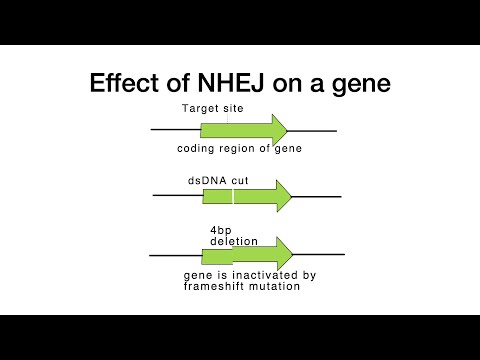
The biochemistry of CRISPR is a complex process that involves several key steps. The first step is the design of the guide RNA, which is programmed to recognize a specific sequence of DNA. The guide RNA is then complexed with the Cas9 enzyme, and the resulting complex is introduced into the cell. The cell biology of CRISPR is crucial in understanding how the system works. Once inside the cell, the guide RNA searches for the target sequence and binds to it, allowing the Cas9 enzyme to cleave the DNA. This process is known as double-strand break and is a critical step in the CRISPR mechanism. For a detailed explanation of the CRISPR mechanism, visit the CRISPR mechanism page. The genetic engineering applications of CRISPR are vast and have the potential to revolutionize the field of biotechnology.
🎯 Mechanism of Action
The mechanism of action of CRISPR is based on the bacterial defense mechanism of CRISPR-Cas systems. The CRISPR-Cas system is a complex system that involves several proteins and RNAs, including the Cas9 enzyme and the guide RNA. The Cas9 enzyme is responsible for cleaving the DNA, while the guide RNA is responsible for locating the target sequence. The molecular mechanisms of CRISPR are not yet fully understood and are the subject of ongoing research. For more information on the molecular mechanisms of CRISPR, visit the CRISPR molecular mechanisms page. The biological processes involved in CRISPR are complex and involve the coordination of multiple cellular pathways.
👥 Key Players in CRISPR Research
Several key players have contributed to the development of CRISPR, including Jennifer Doudna and Emmanuelle Charpentier. These scientists have made significant contributions to the understanding of the CRISPR mechanism and have developed new tools and techniques for gene editing. The scientific community has come together to advance the field of CRISPR research, with many researchers contributing to the development of new technologies and applications. For more information on the key players in CRISPR research, visit the CRISPR researchers page. The collaborations between researchers have been instrumental in advancing the field of CRISPR.
📊 Applications and Implications
The applications of CRISPR are vast and have the potential to revolutionize the field of biotechnology. CRISPR has been used to develop new treatments for genetic diseases, such as sickle cell anemia and cystic fibrosis. The gene therapy applications of CRISPR are also being explored, with several clinical trials underway. For more information on the applications of CRISPR, visit the CRISPR applications page. The bioethics of CRISPR are complex and involve the consideration of several ethical issues, including the potential for germline editing.
🚀 Future Directions and Challenges
The future of CRISPR research is exciting and holds much promise. Several challenges need to be addressed, including the development of more efficient and precise gene editing tools. The CRISPR delivery systems are also being improved, with several new technologies being developed. For more information on the future directions of CRISPR research, visit the CRISPR future directions page. The funding opportunities for CRISPR research are available from several government agencies and private organizations. The research grants are competitive and require a strong proposal and a clear plan for the research.
📚 Resources for Further Learning
Several resources are available for further learning about CRISPR, including online courses and tutorials. The CRISPR online courses are a great way to learn about the basics of CRISPR and the latest developments in the field. The CRISPR tutorials are also available and provide a hands-on approach to learning about CRISPR. For more information on the resources available for CRISPR, visit the CRISPR resources page. The books on CRISPR are also available and provide a comprehensive overview of the field.
💡 Practical Tips for Working with CRISPR
Several practical tips are available for working with CRISPR, including the use of CRISPR design tools and the optimization of CRISPR protocols. The CRISPR troubleshooting guide is also available and provides a step-by-step approach to troubleshooting common problems. For more information on the practical tips for working with CRISPR, visit the CRISPR practical tips page. The CRISPR community is active and provides a forum for discussing the latest developments and sharing knowledge and expertise.
🤝 Collaborations and Funding Opportunities
Several collaborations and funding opportunities are available for CRISPR research, including the CRISPR consortium and the NIH CRISPR funding. The CRISPR partnerships are also available and provide a way for researchers to collaborate and share resources. For more information on the collaborations and funding opportunities available for CRISPR research, visit the CRISPR collaborations page. The grant writing process is competitive and requires a strong proposal and a clear plan for the research.
📊 Comparison with Other Gene Editing Tools
CRISPR is not the only gene editing tool available, and several other technologies are being developed. The TALENs and ZFNs are two other gene editing tools that have been developed. The CRISPR vs TALENs comparison is available and provides a detailed overview of the advantages and disadvantages of each technology. For more information on the comparison of CRISPR with other gene editing tools, visit the CRISPR comparison page. The gene editing landscape is complex and involves the consideration of several factors, including the efficiency and precision of the technology.
📈 Getting Started with CRISPR Research
Getting started with CRISPR research requires a strong understanding of the basics of CRISPR and the latest developments in the field. The CRISPR beginner's guide is available and provides a step-by-step approach to getting started with CRISPR research. For more information on getting started with CRISPR research, visit the CRISPR getting started page. The CRISPR community is active and provides a forum for discussing the latest developments and sharing knowledge and expertise.
Key Facts
- Year
- 2012
- Origin
- University of California, Berkeley
- Category
- Biotechnology
- Type
- Scientific Concept
Frequently Asked Questions
What is CRISPR?
CRISPR is a gene editing tool that allows for precise editing of genes. It is based on a bacterial defense mechanism that has been repurposed for gene editing. The CRISPR system consists of two main components: the guide RNA and the Cas9 enzyme. The guide RNA is responsible for locating the target sequence, while the Cas9 enzyme cleaves the DNA at the specified location. For more information on CRISPR, visit the CRISPR page.
How does CRISPR work?
The mechanism of action of CRISPR is based on the bacterial defense mechanism of CRISPR-Cas systems. The CRISPR-Cas system is a complex system that involves several proteins and RNAs, including the Cas9 enzyme and the guide RNA. The Cas9 enzyme is responsible for cleaving the DNA, while the guide RNA is responsible for locating the target sequence. For more information on the mechanism of action of CRISPR, visit the CRISPR mechanism page.
What are the applications of CRISPR?
The applications of CRISPR are vast and have the potential to revolutionize the field of biotechnology. CRISPR has been used to develop new treatments for genetic diseases, such as sickle cell anemia and cystic fibrosis. The gene therapy applications of CRISPR are also being explored, with several clinical trials underway. For more information on the applications of CRISPR, visit the CRISPR applications page.
What are the challenges of CRISPR research?
Several challenges need to be addressed in CRISPR research, including the development of more efficient and precise gene editing tools. The CRISPR delivery systems are also being improved, with several new technologies being developed. For more information on the challenges of CRISPR research, visit the CRISPR challenges page.
How can I get started with CRISPR research?
Getting started with CRISPR research requires a strong understanding of the basics of CRISPR and the latest developments in the field. The CRISPR beginner's guide is available and provides a step-by-step approach to getting started with CRISPR research. For more information on getting started with CRISPR research, visit the CRISPR getting started page.
What are the ethical considerations of CRISPR?
The ethical considerations of CRISPR are complex and involve the consideration of several factors, including the potential for germline editing. The bioethics of CRISPR are being debated, with several experts weighing in on the issue. For more information on the ethical considerations of CRISPR, visit the CRISPR ethics page.
What are the funding opportunities for CRISPR research?
Several funding opportunities are available for CRISPR research, including the NIH CRISPR funding and the CRISPR consortium. The grant writing process is competitive and requires a strong proposal and a clear plan for the research. For more information on the funding opportunities for CRISPR research, visit the CRISPR funding page.