
Contents
- 🔥 Introduction to Burns
- 🚒 Causes of Burns
- 🏠 Home and Workplace Risks
- ⚡️ Electrical and Chemical Burns
- 🔪 Self-Harm and Assault-Related Burns
- 🏥 Treatment and Prevention
- 📊 Statistics and Epidemiology
- 🔬 The Science of Burn Injuries
- 👥 Risk Factors and Demographics
- 💡 Historical Perspective on Burns
- 🌎 Global Impact and Initiatives
- 👀 Future Directions and Research
- Frequently Asked Questions
- Related Topics
Overview
Burn, a fundamental process in physics and chemistry, has been a cornerstone of human progress, from the discovery of fire by early humans around 1.5 million years ago to the development of internal combustion engines in the 19th century. The science behind burn involves complex chemical reactions, including oxidation and reduction, with the most notable being the combustion of fossil fuels, which releases approximately 21.3 billion metric tons of carbon dioxide into the atmosphere annually. Historically, burn has been a double-edged sword, providing warmth, light, and energy while also being a destructive force in wars and natural disasters. Culturally, burn has inspired numerous artistic and literary works, such as Ray Bradbury's 'Fahrenheit 451', which explores the tension between knowledge and destruction. With the rise of renewable energy sources, the future of burn is uncertain, sparking debates about its role in a sustainable future. As the world grapples with climate change, the concept of burn will continue to evolve, influencing fields from engineering to environmental policy, with key figures like Elon Musk and Greta Thunberg shaping the narrative.
🔥 Introduction to Burns
Burns are a type of injury that can be caused by various factors, including heat, electricity, chemicals, friction, or ionizing radiation. According to the Burn Prevention organization, most burns are thermal burns caused by contact with heat from hot fluids, solids, or fire. The World Health Organization reports that burns are a significant public health problem, resulting in considerable morbidity and mortality worldwide. Burns can occur in various settings, including the home, workplace, or as a result of self-harm or violence between people. The American Red Cross provides resources and guidance on burn prevention and treatment. Understanding the causes and risks associated with burns is crucial for developing effective prevention and treatment strategies.
🚒 Causes of Burns
The causes of burns are diverse and can be categorized into several types, including thermal, electrical, chemical, and radiation burns. Thermal burns are the most common type, accounting for the majority of burn injuries. These burns can be caused by contact with hot fluids, solids, or fire, and can occur in various settings, including domestic kitchens, workplaces, or as a result of natural disasters. The National Fire Protection Association provides guidelines and resources on fire safety and prevention. Electrical burns, on the other hand, are caused by contact with electrical sources, such as live wires or electrical appliances. The Occupational Safety and Health Administration regulates workplace safety and provides guidance on electrical safety. Chemical burns are caused by contact with corrosive substances, such as acids or bases, and can occur in various settings, including workplaces or laboratories. The Environmental Protection Agency regulates the use of hazardous substances and provides guidance on chemical safety.
🏠 Home and Workplace Risks
The home and workplace are two of the most common settings where burns can occur. In the home, risks are associated with domestic kitchens, including stoves, flames, and hot liquids. The Kitchen Safety Council provides resources and guidance on kitchen safety and burn prevention. In the workplace, risks are associated with fire and chemical and electric burns. The Workplace Safety and Insurance Board regulates workplace safety and provides guidance on burn prevention and treatment. Alcoholism and smoking are also risk factors for burns, as they can impair judgment and increase the risk of accidents. The Substance Abuse and Mental Health Services Administration provides resources and guidance on substance abuse treatment and prevention. Understanding the risks associated with burns in the home and workplace is crucial for developing effective prevention and treatment strategies.
⚡️ Electrical and Chemical Burns
Electrical and chemical burns are two types of burns that can be particularly severe and debilitating. Electrical burns are caused by contact with electrical sources, such as live wires or electrical appliances, and can cause cardiac arrest, burns, and other injuries. The Electrical Safety Foundation International provides resources and guidance on electrical safety and burn prevention. Chemical burns, on the other hand, are caused by contact with corrosive substances, such as acids or bases, and can cause severe burns, respiratory problems, and other injuries. The Chemical Safety Board investigates chemical accidents and provides guidance on chemical safety. Understanding the causes and risks associated with electrical and chemical burns is crucial for developing effective prevention and treatment strategies. The National Institute for Occupational Safety and Health provides resources and guidance on workplace safety and burn prevention.
🏥 Treatment and Prevention
Treatment and prevention of burns are crucial for reducing the risk of morbidity and mortality. The American Burn Association provides resources and guidance on burn treatment and prevention. Treatment of burns typically involves cooling the burn, cleaning and dressing the wound, and providing pain management and emotional support. The Centers for Disease Control and Prevention provides resources and guidance on burn prevention and treatment. Prevention of burns involves reducing the risk of accidents, such as by using protective equipment, following safety guidelines, and being aware of potential hazards. The National Safety Council provides resources and guidance on safety and burn prevention. Understanding the causes and risks associated with burns is crucial for developing effective prevention and treatment strategies.
📊 Statistics and Epidemiology
Statistics and epidemiology of burns are crucial for understanding the scope and impact of burn injuries. According to the World Health Organization, burns are a significant public health problem, resulting in considerable morbidity and mortality worldwide. The Centers for Disease Control and Prevention reports that burns are a leading cause of injury and death in the United States. The National Institute for Occupational Safety and Health provides resources and guidance on workplace safety and burn prevention. Understanding the statistics and epidemiology of burns is crucial for developing effective prevention and treatment strategies. The American Burn Association provides resources and guidance on burn treatment and prevention.
🔬 The Science of Burn Injuries
The science of burn injuries is complex and involves the interaction of multiple factors, including heat, electricity, chemicals, friction, and ionizing radiation. The National Institute for Occupational Safety and Health provides resources and guidance on workplace safety and burn prevention. Understanding the science of burn injuries is crucial for developing effective prevention and treatment strategies. The American Burn Association provides resources and guidance on burn treatment and prevention. The World Health Organization reports that burns are a significant public health problem, resulting in considerable morbidity and mortality worldwide. The Centers for Disease Control and Prevention provides resources and guidance on burn prevention and treatment.
👥 Risk Factors and Demographics
Risk factors and demographics of burns are crucial for understanding the scope and impact of burn injuries. According to the World Health Organization, burns are a significant public health problem, resulting in considerable morbidity and mortality worldwide. The Centers for Disease Control and Prevention reports that burns are a leading cause of injury and death in the United States. The National Institute for Occupational Safety and Health provides resources and guidance on workplace safety and burn prevention. Understanding the risk factors and demographics of burns is crucial for developing effective prevention and treatment strategies. The American Burn Association provides resources and guidance on burn treatment and prevention.
💡 Historical Perspective on Burns
The historical perspective on burns is fascinating and involves the development of various treatments and prevention strategies over time. The World Health Organization reports that burns have been a significant public health problem throughout history, resulting in considerable morbidity and mortality. The American Burn Association provides resources and guidance on burn treatment and prevention. The National Institute for Occupational Safety and Health provides resources and guidance on workplace safety and burn prevention. Understanding the historical perspective on burns is crucial for developing effective prevention and treatment strategies. The Centers for Disease Control and Prevention provides resources and guidance on burn prevention and treatment.
🌎 Global Impact and Initiatives
The global impact and initiatives of burns are significant and involve the development of various prevention and treatment strategies. The World Health Organization reports that burns are a significant public health problem, resulting in considerable morbidity and mortality worldwide. The American Burn Association provides resources and guidance on burn treatment and prevention. The National Institute for Occupational Safety and Health provides resources and guidance on workplace safety and burn prevention. Understanding the global impact and initiatives of burns is crucial for developing effective prevention and treatment strategies. The Centers for Disease Control and Prevention provides resources and guidance on burn prevention and treatment.
👀 Future Directions and Research
The future directions and research of burns are exciting and involve the development of new treatments and prevention strategies. The American Burn Association provides resources and guidance on burn treatment and prevention. The National Institute for Occupational Safety and Health provides resources and guidance on workplace safety and burn prevention. The World Health Organization reports that burns are a significant public health problem, resulting in considerable morbidity and mortality worldwide. Understanding the future directions and research of burns is crucial for developing effective prevention and treatment strategies. The Centers for Disease Control and Prevention provides resources and guidance on burn prevention and treatment.
Key Facts
- Year
- 2023
- Origin
- Ancient Civilizations
- Category
- Physics, Chemistry, History
- Type
- Concept
Frequently Asked Questions
What are the most common causes of burns?
The most common causes of burns are thermal burns caused by contact with heat from hot fluids, solids, or fire. Electrical burns, chemical burns, and radiation burns are also common causes of burns. According to the World Health Organization, burns are a significant public health problem, resulting in considerable morbidity and mortality worldwide. The American Burn Association provides resources and guidance on burn treatment and prevention. Understanding the causes and risks associated with burns is crucial for developing effective prevention and treatment strategies.
How can I prevent burns in the home?
Preventing burns in the home involves reducing the risk of accidents, such as by using protective equipment, following safety guidelines, and being aware of potential hazards. The National Safety Council provides resources and guidance on safety and burn prevention. The Kitchen Safety Council provides resources and guidance on kitchen safety and burn prevention. Understanding the risks associated with burns in the home is crucial for developing effective prevention and treatment strategies.
What are the symptoms of a burn?
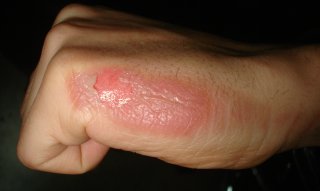
The symptoms of a burn can vary depending on the severity of the burn, but may include pain, redness, swelling, and blistering. In severe cases, burns can cause cardiac arrest, respiratory problems, and other injuries. The American Burn Association provides resources and guidance on burn treatment and prevention. The Centers for Disease Control and Prevention provides resources and guidance on burn prevention and treatment. Understanding the symptoms of a burn is crucial for developing effective prevention and treatment strategies.
How are burns treated?
Treatment of burns typically involves cooling the burn, cleaning and dressing the wound, and providing pain management and emotional support. The American Burn Association provides resources and guidance on burn treatment and prevention. The Centers for Disease Control and Prevention provides resources and guidance on burn prevention and treatment. Understanding the treatment of burns is crucial for developing effective prevention and treatment strategies.
Can burns be prevented?
Yes, burns can be prevented by reducing the risk of accidents, such as by using protective equipment, following safety guidelines, and being aware of potential hazards. The National Safety Council provides resources and guidance on safety and burn prevention. The Kitchen Safety Council provides resources and guidance on kitchen safety and burn prevention. Understanding the risks associated with burns is crucial for developing effective prevention and treatment strategies.
What are the long-term effects of burns?
The long-term effects of burns can vary depending on the severity of the burn, but may include scarring, contractures, and other complications. In severe cases, burns can cause cardiac arrest, respiratory problems, and other injuries. The American Burn Association provides resources and guidance on burn treatment and prevention. The Centers for Disease Control and Prevention provides resources and guidance on burn prevention and treatment. Understanding the long-term effects of burns is crucial for developing effective prevention and treatment strategies.
How can I get help if I have a burn?
If you have a burn, you should seek medical attention immediately. The American Burn Association provides resources and guidance on burn treatment and prevention. The Centers for Disease Control and Prevention provides resources and guidance on burn prevention and treatment. You can also contact the National Burn Repository for information and support.