
Contents
Overview
Caribbean Carnival is a vibrant, multifaceted cultural phenomenon celebrated annually across the Caribbean diaspora, a riotous explosion of music, dance, costume, and revelry. Its roots trace back to European pre-Lenten festivities like 'carne vale' (farewell to meat), which were brought to the islands by colonizers. Initially, enslaved Africans were excluded from these celebrations, but following emancipation, they transformed the traditions, infusing them with their own rich African heritage, drumming, and masquerade practices. This fusion gave birth to unique celebrations like Trinidad and Tobago's Canboulay, which laid the groundwork for the modern carnival. Today, it's a massive cultural export, drawing millions of visitors and showcasing the region's creative energy, resilience, and profound sense of community, with distinct variations emerging on islands like Barbados, Jamaica, and Grenada, each adding its own flavor to the global carnival tapestry.
🎵 Origins & History
The genesis of Caribbean Carnival is a complex tapestry woven from European pre-Lenten traditions and the indelible spirit of African resistance and cultural preservation. European settlers introduced masquerade balls and 'carne vale' (farewell to meat) celebrations, particularly around Mardi Gras, to islands like Trinidad and Tobago. However, these early festivities largely excluded the enslaved African population. Post-emancipation, freed slaves transformed these celebrations, blending their ancestral African drumming, dance, and storytelling with European masquerade elements. This fusion birthed traditions like the 'Canboulay' riots in Trinidad, a defiant street procession that became a precursor to modern carnival. The evolution saw the incorporation of calypso music, steelpan orchestras, and elaborate costumes, solidifying carnival as a powerful expression of freedom and identity across the Caribbean.
⚙️ How It Works
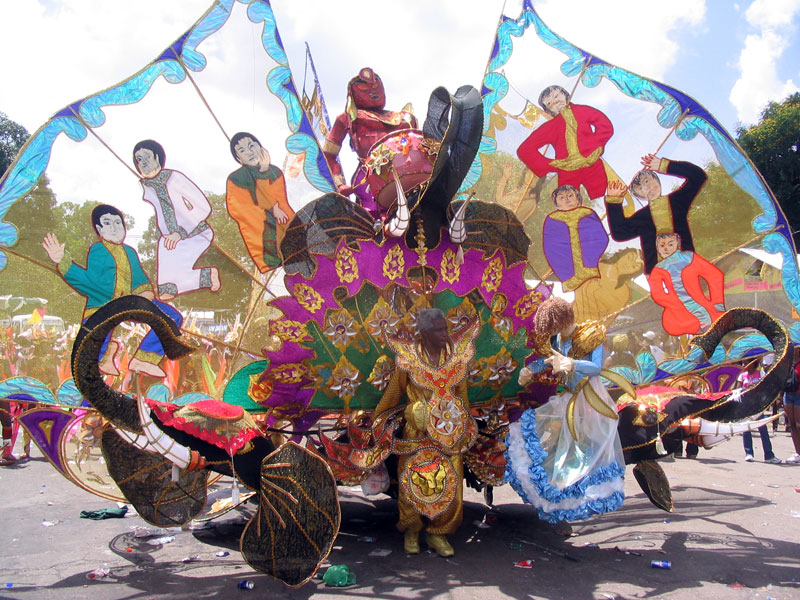
At its core, Caribbean Carnival operates as a highly organized, yet intensely improvisational, cultural festival. The central elements include elaborate masquerade bands, known as 'mas camps,' where participants don meticulously crafted costumes that often tell a story or represent a theme. Music is paramount, with distinct genres like calypso, soca, and reggae driving the parades and fetes (parties). The iconic steelpan orchestra, a uniquely Caribbean invention, provides a melodic backbone. Parades, or 'j'ouvert' (from the French 'jour ouvert' or 'daybreak'), are central, often starting before dawn with participants in simpler, mud-splattered attire, evolving into grand processions with elaborate floats and costumed revelers. The entire event is a massive logistical undertaking, involving months of planning, costume design, music production, and event management by numerous bands and organizers.
📊 Key Facts & Numbers
Caribbean Carnival is a colossal economic and cultural force, with millions participating annually. Major carnivals are celebrated in cities like Notting Hill (London), and significant celebrations occur in New York, Toronto, and Miami, reflecting the vast Caribbean diaspora. The music industry surrounding carnival, particularly soca music, sees artists releasing dozens of new tracks each year.
👥 Key People & Organizations
The landscape of Caribbean Carnival is shaped by numerous influential figures and organizations. In Trinidad and Tobago, the birthplace of modern carnival, bands like Tribe and Phase II Pan Groove are legendary for their innovative designs and musical contributions. Key figures in calypso and soca music, such as Rohan Ramanan (often credited with popularizing modern soca), David Rudder, and Superblue, have defined the sonic landscape. Organizations like the Caribbean Tourism Organization actively market carnival as a major draw for the region, highlighting its economic significance.
🌍 Cultural Impact & Influence
Caribbean Carnival's influence extends far beyond the islands, shaping global music, fashion, and cultural expression. The infectious rhythms of soca and calypso have permeated international music scenes, influencing genres from pop to EDM. The visual spectacle of carnival costumes has inspired fashion designers and artists worldwide, with the vibrant colors and intricate craftsmanship becoming synonymous with Caribbean creativity. Furthermore, carnival has become a powerful vehicle for diaspora communities to maintain cultural connections, passing traditions down through generations and fostering a strong sense of collective identity. Its global spread, from Notting Hill to Toronto, demonstrates its enduring appeal and its role as a symbol of cultural pride and resilience.
⚡ Current State & Latest Developments
The contemporary Caribbean Carnival scene is dynamic, constantly evolving with technological advancements and new creative trends. The integration of digital platforms has become crucial, with live-streaming of parades and fetes reaching global audiences and social media playing a massive role in promoting bands and costumes. There's a growing emphasis on sustainability in costume design and event management, with some bands experimenting with eco-friendly materials. Music production is increasingly sophisticated, with producers leveraging advanced digital audio workstations to create cutting-edge soca and calypso tracks, pushing the sonic boundaries of the genre.
🤔 Controversies & Debates
Caribbean Carnival is not without its controversies and debates, reflecting its complex social and historical context. Debates often arise around the commercialization of carnival, with some critics arguing that the focus on profit overshadows its cultural and historical roots. Issues of inclusivity and representation within masquerade bands and leadership roles are frequently discussed, particularly concerning gender, sexuality, and the historical marginalization of certain groups. The economic impact, while significant, also raises questions about equitable distribution of wealth generated by the festivals. Furthermore, the ongoing tension between preserving traditional elements and embracing modern influences, especially in music and costume design, sparks continuous dialogue among artists, organizers, and audiences.
🔮 Future Outlook & Predictions
The future of Caribbean Carnival appears poised for continued global expansion and innovation, though challenges remain. We can anticipate further integration of augmented reality and virtual reality experiences, allowing remote participation and immersive engagement. The music will likely continue to evolve, potentially blending with other global genres, while soca artists push for greater mainstream international recognition, perhaps mirroring the trajectory of reggae. There's a growing movement towards more sustainable carnival practices, which could see widespread adoption of eco-friendly materials and waste reduction strategies. The diaspora carnivals, like Toronto's Caribana and Notting Hill, will likely continue to grow in scale and influence, solidifying carnival's status as a truly global cultural phenomenon.
💡 Practical Applications
Caribbean Carnival's influence is evident in various practical applications, primarily within the tourism and entertainment industries. It serves as a major economic driver for Caribbean nations, attracting hundreds of thousands of tourists annually and generating substantial revenue through accommodation, food, and merchandise sales. The music produced for carnival, particularly soca and calypso, has found its way into international film soundtracks, advertising campaigns, and global music festivals, showcasing Caribbean artistry. Furthermore, the intricate costume design and craftsmanship associated with carnival have inspired fashion designers, influencing haute couture and streetwear alike. The organizational models and logistical expertise developed for large-scale carnival events can also be applied to managing other major public gatherings and festivals.
Key Facts
- Category
- culture
- Type
- topic