
Contents
Overview
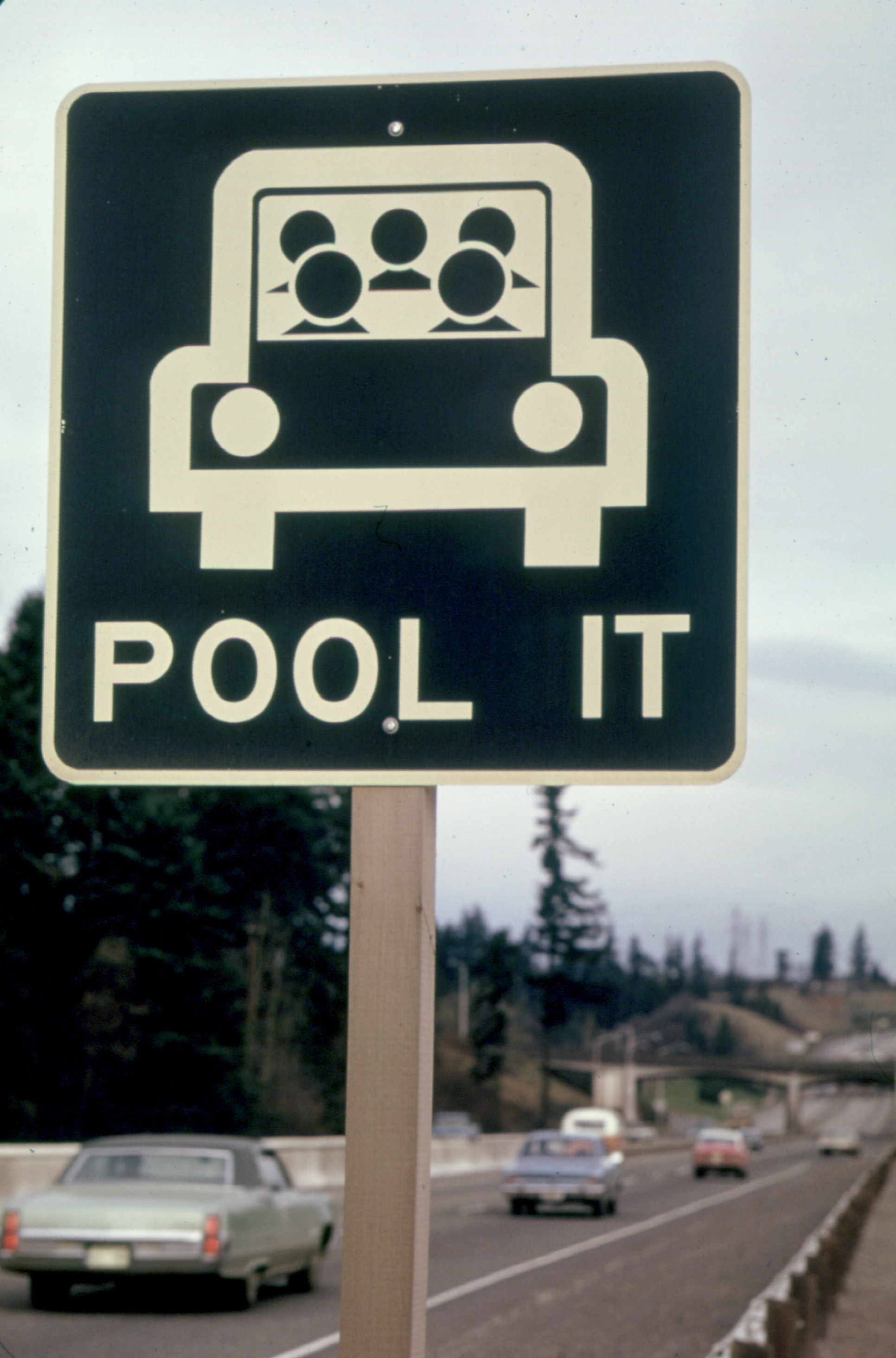
Carpooling, the practice of sharing car journeys among multiple individuals, fundamentally alters personal transportation by pooling resources and reducing the number of vehicles on the road. Originating from a simple need for shared rides, it has evolved into a significant component of sustainable urban planning and the broader sharing economy. By distributing costs like fuel and tolls, and mitigating environmental impacts such as carbon emissions and traffic congestion, carpooling offers tangible benefits to both individuals and communities. While often facilitated by informal arrangements, modern carpooling is increasingly supported by digital platforms, transforming how people commute and travel, particularly in densely populated areas and during peak travel times.
🎵 Origins & History
The concept of sharing rides predates the automobile, with historical precedents in horse-drawn carriages and communal travel. During World War II, the U.S. government actively promoted carpooling through campaigns like "Share the Ride" to conserve gasoline and rubber for the war effort, recognizing its strategic importance. Post-war, the practice continued, often driven by economic necessity and a growing awareness of traffic issues. Companies like 3M established early vanpooling programs in the 1970s, a decade marked by the energy crisis, which further underscored the value of shared transportation. The advent of the internet in the late 20th century laid the groundwork for more sophisticated carpooling solutions, moving beyond informal arrangements to structured networks.
⚙️ How It Works
At its core, carpooling involves coordinating travel among individuals who are heading to similar destinations, often along overlapping routes. This can range from informal agreements between friends or colleagues to highly organized systems managed by employers or municipalities. Participants typically agree on a schedule, a pickup point, and a system for sharing costs, which can include fuel, tolls, and parking fees. Modern carpooling often utilizes mobile applications and websites, such as Waze Carpool (though now discontinued) or BlaBlaCar, which match drivers with passengers based on origin, destination, and timing. These platforms facilitate communication, payment, and sometimes even offer safety features like driver verification and ride tracking, streamlining the process and expanding its reach beyond immediate social circles.
📊 Key Facts & Numbers
Globally, the adoption varies significantly. The average cost savings for a carpooler can range from $500 to $2,000 annually, depending on commute distance and fuel prices. A single carpool can remove up to 15 cars from the road during peak hours, significantly reducing traffic congestion and associated delays, which cost the U.S. economy an estimated $166 billion in 2019 due to lost productivity and wasted fuel.
👥 Key People & Organizations
While no single individual is credited with inventing carpooling, figures like William H. Wilkinson, who promoted ride-sharing during the 1970s energy crisis, and companies like 3M with its early vanpooling initiatives, played significant roles in formalizing the practice. More recently, entrepreneurs behind digital carpooling platforms have been instrumental. Frédéric Mazzella, co-founder of BlaBlaCar, revolutionized long-distance carpooling by creating a robust online marketplace. Municipalities and transportation authorities, such as the U.S. Department of Transportation and various regional transit agencies, actively promote carpooling through incentives and infrastructure, recognizing its role in achieving sustainability goals and alleviating urban congestion.
🌍 Cultural Impact & Influence
Carpooling has profoundly influenced urban planning and commuter behavior, fostering a sense of community and shared responsibility. It has become a visible symbol of the sharing economy, demonstrating how digital tools can optimize resource utilization. Culturally, it has shifted perceptions of personal mobility, moving from an emphasis on individual car ownership to a more collaborative approach. The rise of carpooling apps has also introduced new social dynamics, connecting strangers for shared journeys and sometimes leading to unexpected friendships or professional networking opportunities. Its environmental benefits, such as reducing carbon emissions, have made it a cornerstone of many cities' sustainability initiatives, encouraging a collective effort towards cleaner air and reduced carbon footprints.
⚡ Current State & Latest Developments
The landscape of carpooling is currently undergoing a significant transformation, largely driven by the proliferation of ride-sharing apps and the increasing focus on electric vehicles. While traditional carpooling continues, platforms like Lyft and Uber have introduced carpooling features (e.g., Lyft Shared, UberX Share), though their long-term viability and widespread adoption remain subject to market dynamics and regulatory scrutiny. Many cities are investing in dedicated carpool lanes and parking facilities to incentivize the practice. Furthermore, the COVID-19 pandemic temporarily disrupted carpooling patterns due to health concerns, but as commuting resumes, there's a renewed interest in its cost-saving and environmental benefits, particularly with fluctuating fuel prices. Emerging technologies in autonomous vehicles also hint at future possibilities for highly efficient, coordinated carpooling networks.
🤔 Controversies & Debates
Carpooling is not without its controversies and debates. A primary concern revolves around safety and trust, particularly for women and vulnerable passengers when sharing rides with unknown individuals, a challenge that digital platforms attempt to mitigate with verification systems. Critics also point to the potential for carpooling to become a substitute for public transportation, potentially undermining its viability if not managed carefully. There's also the debate over whether incentives for carpooling disproportionately benefit those who can afford to own cars, rather than promoting truly equitable transit solutions. Furthermore, the environmental benefits, while significant, are sometimes debated in terms of their net impact when considering the full lifecycle of vehicles and the potential for increased vehicle miles traveled if carpooling leads to longer commutes for some.
🔮 Future Outlook & Predictions
The future of carpooling appears increasingly integrated with smart city initiatives and advanced mobility solutions. Experts predict a rise in dynamic, algorithm-driven carpooling systems that can optimize routes and passenger matching in real-time, potentially rivaling the efficiency of public transit. The integration of autonomous vehicles could revolutionize carpooling, enabling fleets of shared, self-driving pods that offer on-demand, personalized transit. As urban populations grow and environmental regulations tighten, carpooling is likely to become an even more critical component of sustainable urban mobility. Companies are also exploring gamification and loyalty programs to further incentivize regular carpooling participation, aiming to solidify its place as a mainstream transportation choice.
💡 Practical Applications
Carpooling finds practical application across a wide spectrum of scenarios. It's commonly used for daily work commutes, significantly reducing the number of cars entering business districts and industrial parks. Universities often facilitate carpooling programs for students and faculty traveling to campus. For large events like concerts, sporting matches, or festivals, carpooling is encouraged to manage parking and traffic flow. It's also a viable option for shared trips to airports, medical appointments, or even for organizing group outings for recreational activities. Many employers offer incentives, such as preferred parking spots or financial subsidies, to encourage their workforce to carpool, recognizing the benefits of reduced absenteeism and a more positive environmental impact.
Key Facts
- Category
- culture
- Type
- topic