
Contents
Overview
The City of Mountain View, nestled in the heart of California's Santa Clara County and the broader San Francisco Bay Area, is a pivotal hub for global technology. Named for its scenic vistas of the Santa Cruz Mountains, this municipality has been instrumental in the genesis and expansion of Silicon Valley. Its historical significance is cemented by the establishment of Shockley Semiconductor Laboratory in 1956, the region's first silicon semiconductor developer. Today, Mountain View serves as the corporate headquarters for tech behemoths like Google and its parent Alphabet Inc., Intuit, and the NASA Ames Research Center, alongside former or current bases for Symantec, 23andMe, LinkedIn, and Synopsys. The city's governance is led by Mayor Emily Ann Ramos, with its official operations managed through mountainview.gov.
🎵 Origins & History
The City of Mountain View's story is inextricably linked to the rise of Silicon Valley. Its name, derived from the panoramic views of the Santa Cruz Mountains, belies its profound technological significance. The foundational moment arrived in 1956 when William Shockley established Shockley Semiconductor Laboratory within its borders, marking the region's first foray into silicon semiconductor development. This act catalyzed a wave of innovation, drawing talent and investment that would transform the area into a global tech epicenter. Early pioneers and subsequent generations of entrepreneurs recognized Mountain View's strategic location and burgeoning infrastructure, laying the groundwork for the tech giants that define the modern era. The city's development from an agricultural community to a high-tech mecca is a testament to its adaptability and its role as a magnet for groundbreaking ideas and ambitious ventures.
⚙️ How It Works
The City of Mountain View operates as a municipal government, a form of local governance structured to provide essential public services and manage civic affairs for its residents. Its administrative framework includes departments such as the Mountain View Community Services Department, the City of Mountain View Public Library, and the Mountain View Police Department, all overseen by the City Council and headed by the Mayor, currently Emily Ann Ramos. The city's operations are primarily funded through local taxes, property assessments, and fees for services, which then support infrastructure maintenance, public safety, parks and recreation, and community programs. Decision-making processes involve public hearings, council meetings, and adherence to state and federal regulations, ensuring a structured approach to urban management and development within its defined geographical boundaries.
📊 Key Facts & Numbers
As of the 2020 census, Mountain View's population stood at 82,376 residents. The city's economic engine is powered by its status as a major tech hub, with a significant portion of its workforce employed in high-paying technology sectors. For instance, Google's headquarters alone employs tens of thousands of individuals, contributing substantially to the local economy. The median household income in Mountain View is considerably higher than the national average, reflecting the concentration of high-skilled jobs. The city's property values are among the highest in the nation, a direct consequence of its desirability and the intense demand driven by major corporations and their employees. The tax base, bolstered by these high-value properties and robust commercial activity, allows for significant investment in public services and infrastructure, though it also contributes to the region's notorious cost of living.
👥 Key People & Organizations
Key figures and organizations have shaped Mountain View's identity. William Shockley, a Nobel laureate, established the pivotal Shockley Semiconductor Laboratory in 1956, initiating the region's semiconductor industry. Today, the city is synonymous with Google's sprawling campus, the heart of Alphabet Inc., led by CEO Sundar Pichai. Intuit, a financial software giant, also calls Mountain View home, with CEO Sasan Goodarzi. The NASA Ames Research Center is a significant federal presence, driving aerospace innovation. Other major tech players with a historical or current presence include Symantec (now Broadcom Inc.), 23andMe, LinkedIn (owned by Microsoft), Samsung, Quora, and Synopsys. The municipal government is led by Mayor Emily Ann Ramos.
🌍 Cultural Impact & Influence
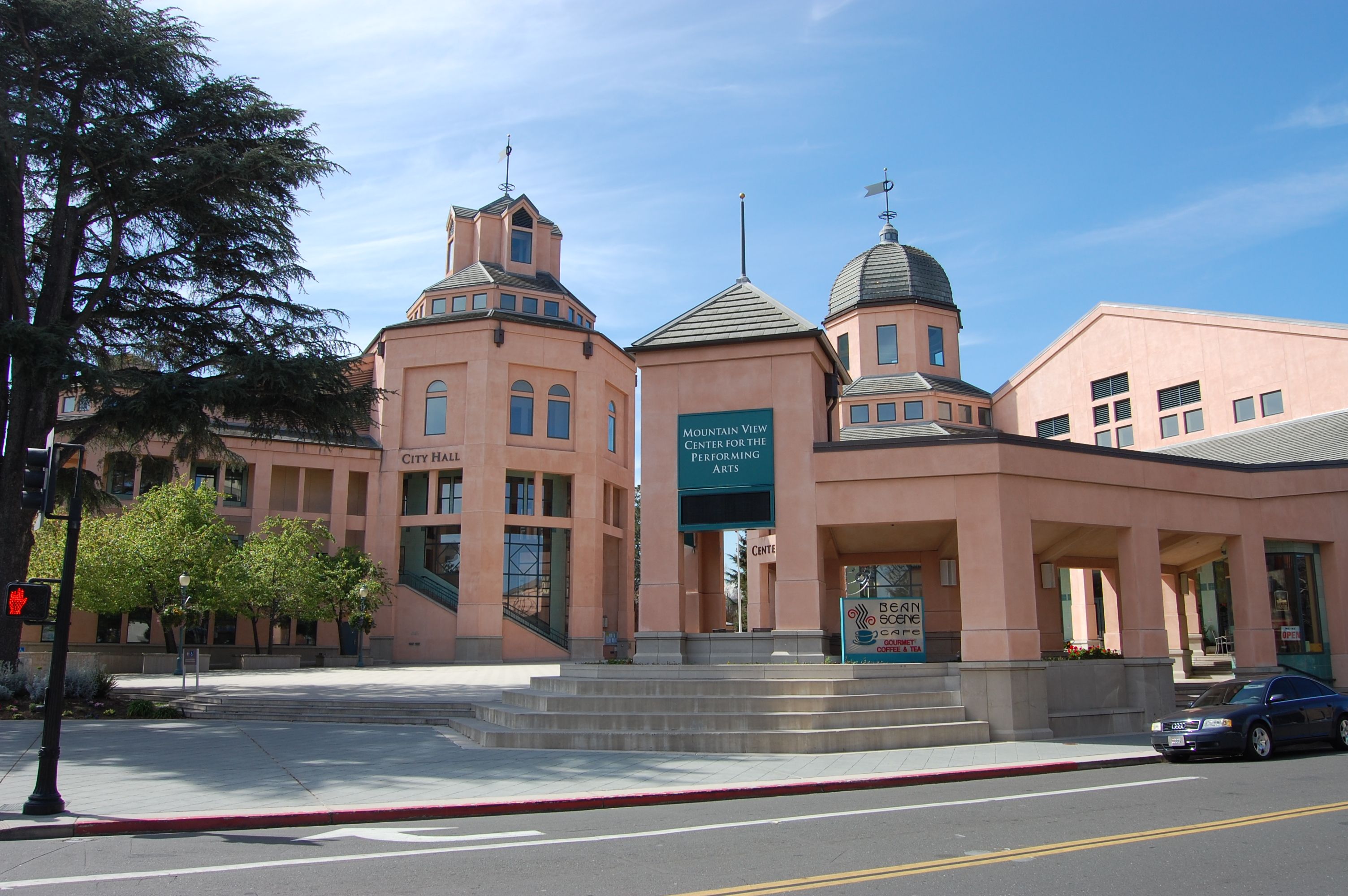
Mountain View's cultural resonance is deeply intertwined with the narrative of technological progress and innovation. It is not merely a place where technology is developed but a symbol of the Silicon Valley culture itself—a blend of ambition, disruption, and a relentless pursuit of the next big thing. The city's landscape is dominated by the iconic architecture of tech campuses, reflecting a corporate-driven aesthetic. Beyond the corporate sphere, Mountain View offers cultural amenities like the Mountain View Center for the Performing Arts, which hosts a variety of theatrical and musical performances, and the Computer History Museum, chronicling the evolution of the digital age. The influx of a diverse, highly educated workforce has also fostered a cosmopolitan atmosphere, influencing local dining, arts, and community events, though the overwhelming influence of the tech industry often overshadows other cultural expressions.
⚡ Current State & Latest Developments
In 2024, Mountain View continues to grapple with the dual realities of being a global tech epicenter and a residential community. The ongoing expansion of Google's campus and other tech firms presents both economic opportunities and challenges related to housing affordability and traffic congestion. The city is actively engaged in discussions about sustainable development, public transportation improvements, and diversifying its economic base beyond pure tech. Recent initiatives focus on enhancing pedestrian and cycling infrastructure, promoting green energy, and addressing the housing crisis through new development projects. The city government, under Mayor Emily Ann Ramos, is navigating these complex issues, balancing the demands of its corporate residents with the needs of its long-term inhabitants, all while maintaining its status as a critical node in the global innovation network.
🤔 Controversies & Debates
The City of Mountain View is a focal point for several ongoing debates, most notably concerning housing affordability and the impact of its dominant tech industry. The immense success of companies like Google and Alphabet Inc. has driven up real estate prices to astronomical levels, creating a severe housing crisis for many residents and workers. Critics argue that the city's policies have not adequately kept pace with the demands of its rapidly growing population and the influx of high-earning tech employees, leading to displacement and increased homelessness. Another point of contention is the environmental impact of massive corporate campuses and the associated traffic, with debates centering on sustainable practices, public transit investment, and urban planning strategies. Furthermore, the concentration of power within a few dominant tech firms raises questions about local economic diversity and the potential for monopolistic practices to influence civic life.
🔮 Future Outlook & Predictions
The future trajectory of Mountain View is poised at a critical juncture, balancing its established role as a tech powerhouse with the evolving demands of urban living and global change. Projections suggest continued growth in the technology sector, with ongoing investments in artificial intelligence, autonomous vehicles, and biotechnology likely to solidify its position. However, the city faces significant pressure to address its housing shortage and infrastructure strain; successful mitigation of these issues will be crucial for sustained livability and economic inclusivity. Experts anticipate increased focus on smart city technologies, sustainable urban development, and potentially more distributed work models impacting the traditional corporate campus model. The city's ability to adapt to these shifts, foster a more equitable economic environment, and maintain its innovative spirit while preserving its quality of life will define its success in the coming decades.
💡 Practical Applications
Mountain View's primary practical application lies in its role as a global center for technological innovation and corporate headquarters. Companies like Google and Intuit leverage the city's infrastructure and talent pool to de
Key Facts
- Category
- places
- Type
- topic