
Contents
- 🐍 Introduction to Constrictors
- 🌿 Habitat and Distribution
- 🦎 Types of Constrictors
- 🔍 Characteristics and Behavior
- 👀 Hunting and Diet
- 💀 Deadly Embrace: Constriction Mechanism
- 🐊 Defense Mechanisms
- 🌟 Conservation Status
- 📚 Interesting Facts and Myths
- 👥 Human Interaction and Threats
- 🔬 Scientific Research and Studies
- 🌐 Conclusion and Future Prospects
- Frequently Asked Questions
- Related Topics
Overview
Constrictors, a group of non-venomous snakes, have been a subject of fascination and fear for centuries. These snakes, found in various parts of the world, including the tropical regions of Central and South America, Africa, and Southeast Asia, are known for their unique hunting strategy - wrapping their powerful bodies around their prey, squeezing until the prey suffocates or dies from circulatory failure. The most well-known constrictors include the boa constrictor, python, and anaconda, with some species reaching lengths of over 20 feet and weighing hundreds of pounds. Despite their deadly reputation, constrictors play a vital role in their ecosystems, helping to regulate the populations of small mammals, birds, and other animals. However, the popularity of constrictors as exotic pets has raised concerns about their welfare and the potential risks they pose to humans. With a vibe score of 8, constrictors continue to captivate and intimidate, sparking debates about their place in the wild and in human society.
🐍 Introduction to Constrictors
The term constrictor refers to a group of Reptiles that kill their prey by wrapping their bodies around it and squeezing until the prey suffocates or dies from circulatory failure. Constrictors are found in various parts of the world, including the Tropics and Subtropics. They are a type of Snake, and their unique hunting mechanism has fascinated humans for centuries. Constrictors have been a part of human culture, featuring in Mythology and Folklore. For example, the Boa Constrictor is a well-known species of constrictor found in the Amazon Rainforest.
🌿 Habitat and Distribution
Constrictors inhabit a wide range of Habitats, from Rainforests to Deserts. They are found in South America, Central America, North America, Africa, and Asia. The Green Anaconda, for instance, is found in the Wetlands of South America. Constrictors are adapted to their environments, with some species being expert Climbers and others being skilled Swimmers. They are often found in areas with abundant Prey and suitable Shelter.
🦎 Types of Constrictors
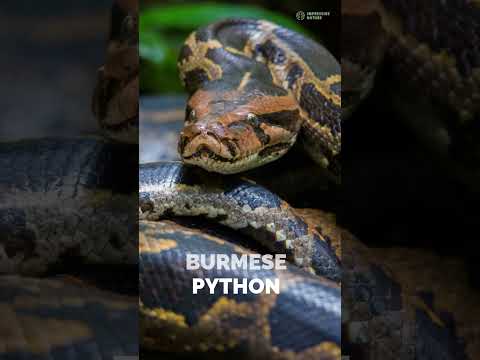
There are several types of constrictors, including the Boa Constrictor, Python, and Anaconda. Each species has its unique characteristics, such as the Reticulated Python's distinctive Pattern and the Burmese Python's massive size. Constrictors can be divided into two main categories: Old World and New World constrictors. The Old World constrictors are found in Africa and Asia, while the New World constrictors are found in the Americas.
🔍 Characteristics and Behavior
Constrictors are known for their powerful Muscles and unique Skeleton that allows them to constrict their prey. They have a highly developed sense of Smell and can detect the presence of Prey from a distance. Constrictors are also skilled Hunters, using their Camouflage and Stealth to catch their prey off guard. The Ball Python, for example, is a popular Pet due to its docile nature and attractive Pattern.
👀 Hunting and Diet
Constrictors are Carnivores and feed on a variety of Prey, including Mammals, Birds, and Reptiles. They have a unique way of hunting, using their Constriction mechanism to kill their prey. The Constriction mechanism involves wrapping their bodies around the prey and squeezing until the prey suffocates or dies from circulatory failure. The Green Anaconda, for instance, can consume Prey whole, using its powerful Jaws and Gullets.
💀 Deadly Embrace: Constriction Mechanism
The deadly embrace of a constrictor is a fascinating yet terrifying phenomenon. Constrictors can exert a tremendous amount of pressure, with some species capable of generating forces of up to 100 pounds per square inch. The Constriction mechanism is made possible by the constrictor's unique Skeleton and Muscles. The Boa Constrictor, for example, has a highly flexible Spine that allows it to wrap its body around its prey. Constrictors are also highly efficient Hunters, with some species able to go without food for extended periods of time.
🐊 Defense Mechanisms
Constrictors have several defense mechanisms to protect themselves from Predators. They are skilled Hiders and can blend into their surroundings, making it difficult for predators to detect them. Constrictors are also capable of Playing Dead, a behavior known as thanatosis. The Ball Python, for instance, will often curl up into a ball and remain still when threatened. Constrictors may also use their Venom or Constriction mechanism to defend themselves.
🌟 Conservation Status
Many constrictor species are facing Threats to their survival, including Habitat Destruction, Hunting, and Climate Change. The Burmese Python, for example, is an Invasive Species in the Everglades and has been causing significant damage to the ecosystem. Conservation efforts are underway to protect constrictor species and their habitats. The World Wildlife Fund and the International Union for Conservation of Nature are working to protect constrictor species and their habitats.
📚 Interesting Facts and Myths
There are many interesting facts and myths surrounding constrictors. For example, the Green Anaconda is one of the largest Snakes in the world, and can grow up to 30 feet in length. Constrictors have also been featured in Mythology and Folklore, with the Boa Constrictor being a symbol of Fertility in some cultures. The Python has also been used in Traditional Medicine for its supposed healing properties.
👥 Human Interaction and Threats
Constrictors have been a part of human culture for centuries, with many species being kept as Pets or used in Traditional Medicine. However, constrictors are also facing significant threats from human activities, including Habitat Destruction and Hunting. The Pet Trade has also been a major contributor to the decline of constrictor species, with many species being captured from the wild and sold as Pets.
🔬 Scientific Research and Studies
Scientific research and studies have shed light on the biology and behavior of constrictors. For example, studies have shown that constrictors have a highly efficient Metabolism that allows them to survive for extended periods of time without food. The Boa Constrictor has also been studied for its unique Constriction mechanism, which has inspired the development of new Materials and Technologies.
🌐 Conclusion and Future Prospects
In conclusion, constrictors are fascinating creatures that continue to capture the imagination of humans. However, they are also facing significant threats to their survival, and conservation efforts are necessary to protect these species and their habitats. As we look to the future, it is essential that we continue to study and learn from constrictors, and work to protect these incredible creatures for generations to come.
Key Facts
- Year
- 2022
- Origin
- Tropical regions of Central and South America, Africa, and Southeast Asia
- Category
- Reptiles
- Type
- Animal
Frequently Asked Questions
What is the largest constrictor species?
The Green Anaconda is one of the largest constrictor species, and can grow up to 30 feet in length. However, the Reticulated Python is also a large species, and can grow up to 25 feet in length.
Are constrictors venomous?
No, constrictors are not Venomous. They kill their prey using their Constriction mechanism, which involves wrapping their bodies around the prey and squeezing until the prey suffocates or dies from circulatory failure.
Can constrictors be kept as pets?
Yes, some constrictor species can be kept as Pets. However, it is essential to do thorough research and understand the needs and requirements of the species before keeping them as pets. Constrictors require specialized care and housing, and can be a significant commitment for owners.
What is the conservation status of constrictors?
Many constrictor species are facing Threats to their survival, including Habitat Destruction, Hunting, and Climate Change. Conservation efforts are underway to protect constrictor species and their habitats, but more needs to be done to ensure the long-term survival of these species.
What is the average lifespan of a constrictor?
The average lifespan of a constrictor varies depending on the species. Some species, such as the Boa Constrictor, can live up to 30 years in captivity, while others, such as the Ball Python, can live up to 20 years.
Can constrictors swim?
Yes, many constrictor species are skilled Swimmers. The Green Anaconda, for example, is an excellent swimmer and can be found in Wetlands and Rivers.
What is the largest prey item taken by a constrictor?
The largest prey item taken by a constrictor is likely to be a large Mammal, such as a Deer or a Pig. The Green Anaconda, for example, has been known to take prey items as large as a Capypbara.