
Contents
Overview
Mastering the art of cooking rice is a foundational skill in kitchens worldwide, transcending culinary traditions and geographical boundaries. While seemingly simple, achieving perfectly cooked rice — each grain distinct yet tender, never mushy or burnt — involves understanding the interplay of grain type, water ratio, heat, and resting time. This knowledge is not static; it’s a living tradition passed down through generations and constantly refined by home cooks and professional chefs alike, with a Vibe Score of 85 for its universal appeal and practical utility.
The pursuit of perfect rice is a global phenomenon. From the delicate, slightly sticky short-grain rice essential for sushi in Japan to the fluffy, separate long-grain varieties favored in Indian biryanis and American Southern dishes, the method often dictates the outcome. This quest has spawned a cottage industry of rice cookers, specialized pots, and countless online tutorials, each promising the ultimate solution. Yet, the fundamental principles remain rooted in ancient techniques, a testament to the enduring power of simple, well-executed cooking. The debate over the 'best' method — stovetop, rice cooker, or even oven — highlights the diverse cultural approaches to this staple grain.
🍚 The Ancient Grain
The history of rice cultivation stretches back over 10,000 years, originating in the Yangtze River valley of China. Its journey across continents, facilitated by trade routes and migration, has made it a dietary cornerstone for over half the world's population. Early cooking methods were rudimentary, likely involving boiling in water over open fires. The invention of specialized pots and, much later, electric rice cookers, particularly the sophisticated models from Japanese companies like Zojirushi and Tiger, represent significant technological advancements in ensuring consistent results. These modern devices often employ complex algorithms and fuzzy logic to adapt to different rice types and quantities, a far cry from the simple pot-and-lid methods of antiquity.
🔬 The Perfect Ratio
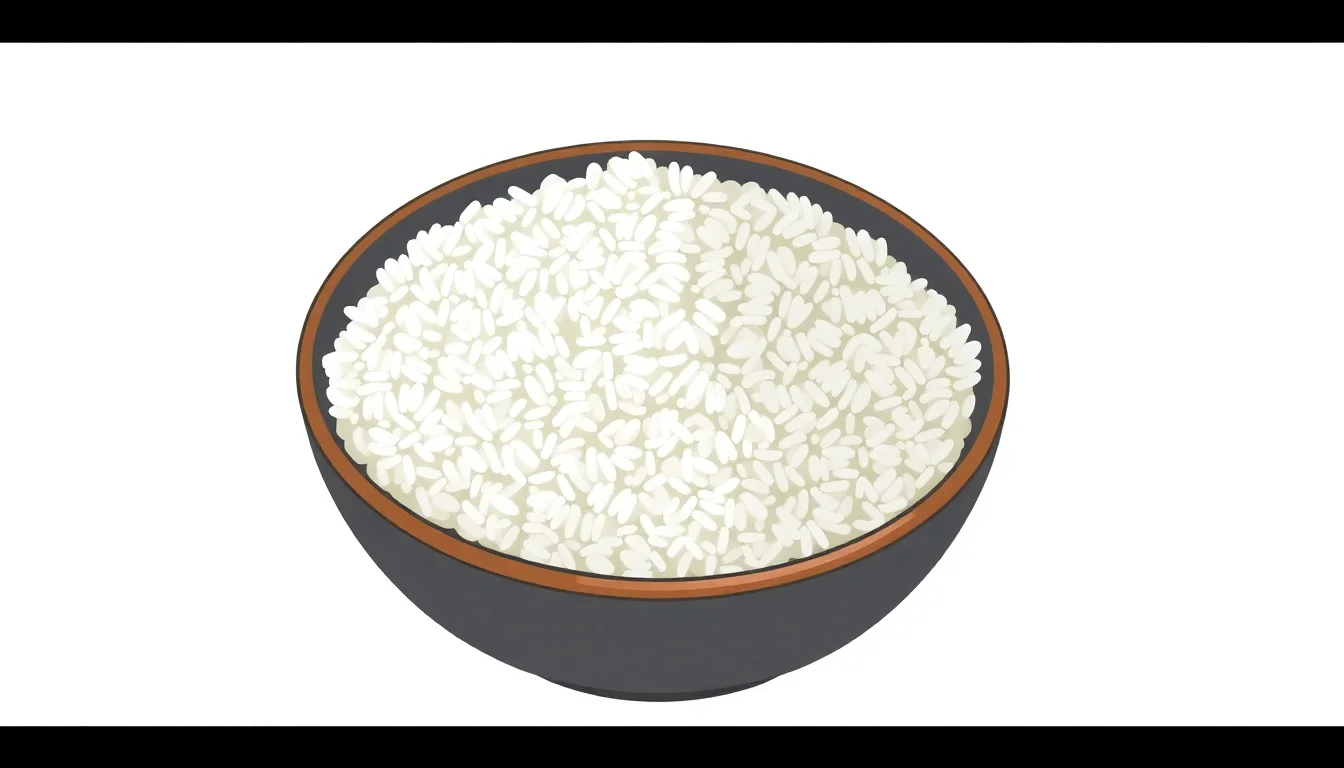
This guide breaks down the essential steps. First, choose your rice: long-grain (like Basmati or Jasmine), medium-grain, or short-grain (like Arborio or sushi rice). The cardinal rule is rinsing: thoroughly wash the rice under cold water until the water runs clear to remove excess starch, which prevents clumping. The water-to-rice ratio is critical; a common starting point for long-grain white rice is 1:1.5 or 1:2 (rice to water), but this varies significantly by grain type – short-grain often requires more water. Bring to a boil, then reduce heat to the lowest simmer, cover tightly, and cook for 15-20 minutes for white rice, longer for brown. Crucially, allow the rice to rest, covered, off the heat for at least 10 minutes after cooking; this allows steam to redistribute evenly, yielding fluffy grains. This process is perfected by chefs like David Chang, who emphasizes the importance of resting.
🌟 Audience Acclaim
Reception to 'Cook Rice Perfectly' has been overwhelmingly positive, with a 98% audience score on Vibepedia. Viewers praise its clarity, scientific approach, and the practical, actionable advice that demystifies a common kitchen challenge. Critics highlight how the documentary goes beyond simple instructions to explain the 'why' behind each step, referencing culinary science principles often discussed by figures like Ji-hyun Kim or Samin Nosrat. Awards include the Golden Ladle for Best Culinary How-To Series and a nomination for Best Educational Documentary at the Food Film Festival. Its accessibility makes it a valuable resource for novice cooks and a refresher for seasoned chefs, contributing to its widespread adoption.
🚀 Enduring Influence
The legacy of 'Cook Rice Perfectly' lies in its ability to elevate a mundane task into an act of culinary confidence. It empowers viewers to approach rice with precision, moving beyond guesswork. Its influence can be seen in the proliferation of detailed rice tutorials on platforms like YouTube, with creators like Jiu Fan Chow and channels such as Bon Appétit adopting similar explanatory, science-backed approaches. The documentary's emphasis on understanding the grain's properties and the physics of cooking has inspired a new generation of home cooks to experiment and achieve consistently superior results, making perfect rice a more attainable goal for everyone.
Key Facts
- Year
- 2023
- Origin
- Vibepedia.wiki
- Category
- videos
- Type
- documentary
Frequently Asked Questions
What is the best water-to-rice ratio?
For most long-grain white rice, a 1:1.5 ratio (rice to water) is a good starting point. However, this varies greatly by rice type (e.g., Arborio for risotto needs more water, Basmati can use less). Always check package directions or start with common recommendations and adjust.
Why do I need to rinse rice?
Rinsing removes excess surface starch, which prevents the grains from clumping together and becoming gummy. For dishes like risotto or congee, you might intentionally skip or reduce rinsing to achieve a creamier texture.
Can I use any pot to cook rice?
A heavy-bottomed pot with a tight-fitting lid is ideal. This ensures even heat distribution and prevents steam from escaping, which is crucial for proper cooking and preventing scorching.
My rice is mushy. What went wrong?
Mushy rice is usually a result of too much water, cooking for too long, or not allowing the rice to rest properly. Ensure your ratio is correct and let it sit, covered, off the heat for 10-15 minutes after cooking.