
Contents
Overview
Copper extraction is the complex, multi-stage process of liberating copper from its native ores, transforming it from geological deposits into a usable metal essential for modern infrastructure and technology. This involves a sophisticated interplay of physical, chemical, and electrochemical techniques, tailored to the specific ore composition and local environmental regulations. The global scale of copper production is immense, with major smelting capacities concentrated in countries like China, Chile, India, and Peru, reflecting both resource availability and industrial demand. Beyond copper itself, the extraction process often yields valuable by-products such as precious metals and sulfuric acid, though the latter can also be a necessary consumable for certain extraction methods. The increasing complexity of ore bodies, with rising arsenic impurities as shallower deposits deplete, presents ongoing challenges for the industry. This entire chain, from mine to refined metal, underpins everything from electrical grids to advanced electronics.
🎵 Origins & History
The story of copper extraction is as old as civilization itself. Early methods involved simple smelting of high-grade native copper ores using charcoal fires, a process that gradually evolved with the discovery of more complex sulfide ores and the development of bellows and furnaces. Roman engineers were adept at extracting copper, often from sulfide ores like chalcopyrite, using sophisticated smelting and refining techniques that produced significant quantities for their vast empire. The Industrial Revolution in the 18th and 19th centuries spurred unprecedented demand, driving innovation in large-scale mining and hydrometallurgical processes, moving beyond simple smelting to more efficient, albeit environmentally impactful, methods.
⚙️ How It Works
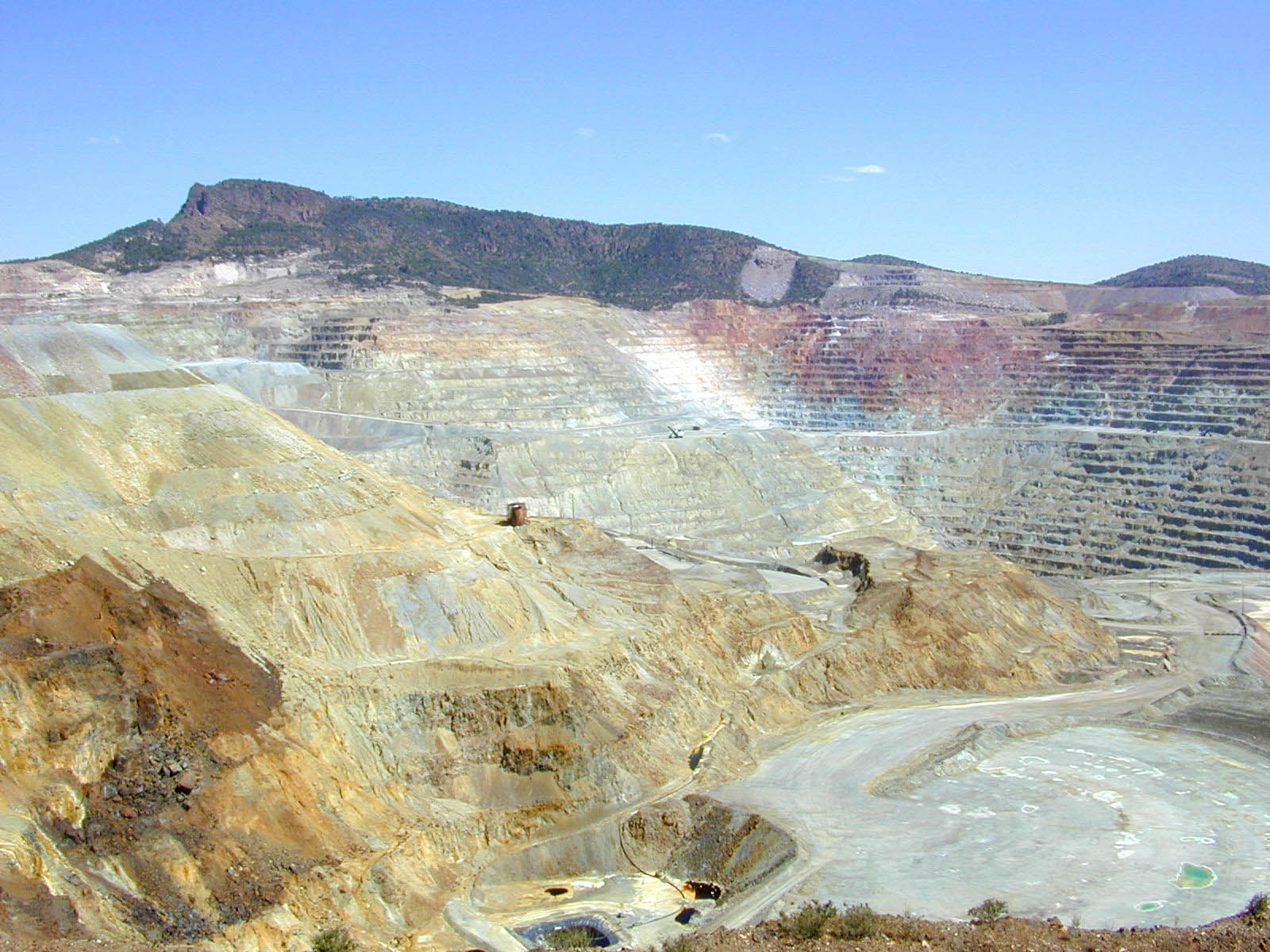
Modern copper extraction typically begins with mining, either through open-pit or underground methods, to access ore bodies. The extracted ore, often containing only a small percentage of copper, undergoes comminution—crushing and grinding—to liberate the copper minerals. This is followed by froth flotation, a physical separation process where finely ground ore is mixed with water and chemicals, causing copper-bearing minerals to attach to air bubbles and rise to the surface as a concentrate. For oxide ores, direct leaching with sulfuric acid is common, dissolving the copper into a solution. Sulfide concentrates, however, usually proceed to smelting, where high temperatures melt the material, separating copper from impurities like iron and sulfur, often producing a matte rich in copper. This matte is then further refined through processes like converting and electrorefining, where an electric current deposits pure copper onto cathodes.
📊 Key Facts & Numbers
The global copper market is colossal. The average grade of copper ore mined globally has declined significantly over the past century, necessitating more efficient extraction technologies and larger-scale operations. The recovery of gold and silver from copper ores can contribute significantly to mine profitability. The energy required for copper extraction is also immense, with smelting and refining alone accounting for a substantial portion of a mine's operational costs and environmental footprint.
👥 Key People & Organizations
Key players in the copper extraction landscape include multinational mining giants like Freeport-McMoRan, BHP, and Rio Tinto, which operate some of the world's largest copper mines. Codelco, the Chilean state-owned copper company, is a dominant force. Innovations in extraction technology have often been driven by specialized engineering firms and research institutions, such as Outotec (now part of Metso) and the Colorado School of Mines, which have pioneered advancements in flotation, smelting, and hydrometallurgy. The International Copper Study Group (ICSG) plays a crucial role in tracking global production, consumption, and market trends, providing vital data for industry stakeholders.
🌍 Cultural Impact & Influence
Copper's role in human history is profound, enabling the transition from the Stone Age to the Bronze Age and powering the electrical revolutions of the 19th and 20th centuries. Its excellent conductivity makes it indispensable for wiring in everything from ancient aqueducts (used as pipes) to modern skyscrapers and the intricate circuitry of smartphones. The demand for copper is a bellwether for global economic health, often referred to as 'Dr. Copper' for its predictive power regarding industrial activity. Its influence extends to art and architecture, with copper roofs and statues gracing cities worldwide, developing a distinctive green patina over time. The ubiquity of copper in essential technologies, from electric vehicles to renewable energy infrastructure like wind turbines, solidifies its cultural and economic significance.
⚡ Current State & Latest Developments
The current state of copper extraction is marked by a race to secure future supply amidst surging demand, particularly from the green energy transition. Major projects are underway in regions like the Democratic Republic of Congo and Peru, aiming to bring new large-scale mines online. Companies are increasingly investing in advanced technologies, including AI-driven exploration, autonomous mining equipment from firms like Komatsu, and more efficient leaching and solvent extraction processes to cope with declining ore grades and environmental pressures. The focus is also shifting towards recycling, with urban mining and the recovery of copper from electronic waste e-waste gaining traction as a more sustainable source. Geopolitical factors, including resource nationalism and trade policies, are also significantly shaping investment decisions and supply chains, as seen in recent discussions around critical minerals.
🤔 Controversies & Debates
Copper extraction is fraught with controversy, primarily concerning its environmental and social impacts. Large-scale mining operations often lead to significant habitat destruction, water pollution from acid mine drainage, and substantial greenhouse gas emissions from energy-intensive processes. The social license to operate is frequently challenged by local communities concerned about land rights, water usage, and the health impacts of mining activities. Furthermore, the increasing arsenic content in some copper concentrates poses health risks during smelting and requires specialized, costly abatement technologies. Debates also rage over the equitable distribution of mining revenues and the long-term environmental remediation responsibilities of mining companies, particularly as shallow, easily accessible deposits become exhausted.
🔮 Future Outlook & Predictions
The future of copper extraction will likely be defined by a dual focus on sustainability and technological innovation. Expect continued advancements in in-situ recovery (ISR) techniques, which involve dissolving copper directly underground, potentially reducing surface disturbance and processing costs, though this method is limited to specific geological conditions. Bioleaching, using microorganisms to extract copper, is also poised for growth as a lower-energy, less chemically intensive alternative. The development of novel separation technologies, such as advanced membrane filtration and electrochemical methods, will be crucial for processing complex ores and improving recovery rates. Furthermore, the circular economy will play an ever-larger role, with enhanced capabilities for recovering copper from recycled materials, potentially reducing reliance on primary extraction and its associated environmental burdens. The race to secure copper for battery technology and electrification will continue to drive exploration and investment in new frontiers.
💡 Practical Applications
Copper extraction's practical applications are vast and fundamental to modern life. Its primary use is in electrical wiring and components due to its superior conductivity, found in everything from household appliances and power grids to telecommunications infrastructure and data centers. In construction, copper is used for plumbing, roofing, and HVAC systems due to its durability and corrosion resistance. The automotive industry relies heavily on copper for wiring harnesses, radiators, and increasingly, for el
Key Facts
- Category
- technology
- Type
- topic