
Contents
Overview
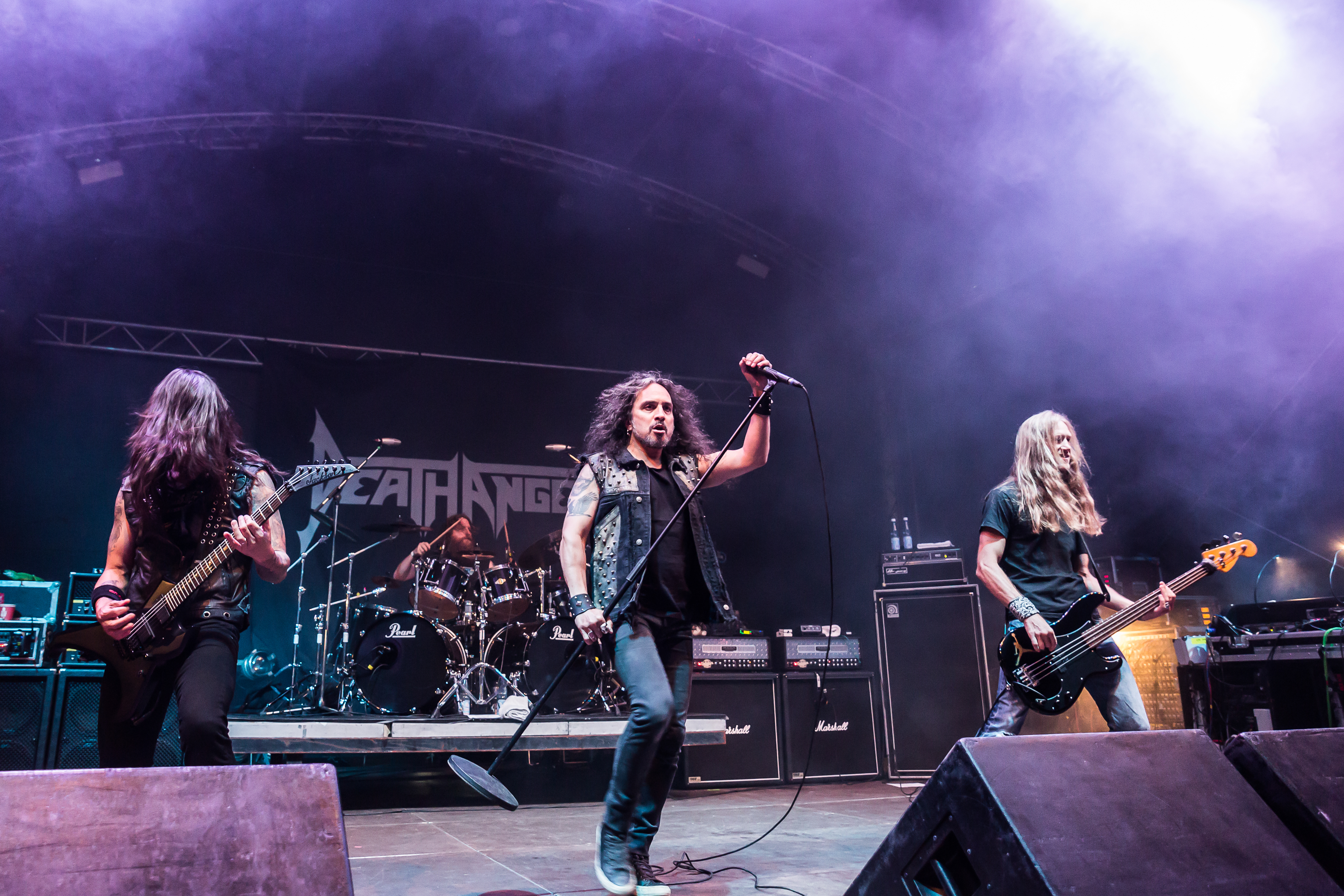
The genesis of Death Angel can be traced back to 1982 in Daly City, California, a fertile ground for the burgeoning Bay Area thrash metal scene. Initially formed by cousins Rob Cavestany (guitar) and Gus Cruz (guitar), alongside Dennis Pepa (drums) and Marcy Pepa (bass), the band quickly established a raw, energetic sound. The critical addition of vocalist Mark Osegueda in 1984, replacing original singer Ted Aguilar, cemented the lineup that would define their early years and subsequent reunion. Their early demo tapes, particularly 'Kill as One' (1986), circulated widely in the underground metal community, catching the attention of Bay Area thrash metal scene veterans and paving the way for their debut album, 'The Ultra-Violence,' released in 1987. They shared stages with virtually every major act of the era, including Megadeth, Metallica, and Slayer, building a formidable reputation for their live prowess.
⚙️ How It Works
At its core, Death Angel's musical engine is a relentless fusion of aggressive guitar riffs, intricate solos, and powerful, often politically charged, lyrical themes. Guitarists Rob Cavestany and Ted Aguilar (in early iterations) and later Gus Cruz and Rob Cavestany employ a dual-guitar attack characterized by fast, palm-muted chugging and complex melodic leads, often drawing from heavy metal and hardcore punk influences. Drummer Dennis Pepa and later Will Carroll provide a thunderous rhythmic foundation, marked by double-bass drumming and intricate fills. Mark Osegueda's vocal delivery ranges from aggressive shouts to more melodic passages, tackling subjects from social injustice to personal struggle. The band's songwriting process, particularly since their reunion, often involves extensive collaboration, with Cavestany and Osegueda serving as the primary creative architects, ensuring a consistent yet evolving sound that honors their thrash roots while incorporating modern production techniques.
📊 Key Facts & Numbers
Death Angel has released nine studio albums since their inception, with 'The Ultra-Violence' (1987) and 'Act III' (1990) marking their initial output, followed by a significant return with 'The Art of Dying' (2004). Their discography also includes two demo tapes, 'Kill as One' (1986) and 'Death Angel' (1985), and three live albums, including 'Live at Bond's' (1990). The band has sold an estimated 1 million records worldwide across their career. Their 2019 album, 'Humanicide,' received a Grammy nomination for Best Metal Performance, marking a significant career milestone. As of 2024, they continue to tour extensively, playing an average of 75-100 shows per year across North America, Europe, and Asia.
👥 Key People & Organizations
The linchpin of Death Angel is undoubtedly guitarist Rob Cavestany, the only member present since the band's formation in 1982. Equally crucial is vocalist Mark Osegueda, who joined in 1984 and has been a constant presence since. Other significant past and present members include drummers Dennis Pepa and Will Carroll, bassists Marcy Pepa and Sam Rivera, and guitarists Gus Cruz and Ted Aguilar. The band's management has largely been handled by Tom Cuthbert since their reunion. Their association with record labels like Geffen Records in their early days and Nuclear Blast in their later career has been instrumental in their global reach.
🌍 Cultural Impact & Influence
Death Angel's impact on the thrash metal genre is undeniable, often cited as a key component of the 'Big Eight' of Bay Area thrash metal alongside Metallica, Megadeth, Slayer, Anthrax, Testament, Exodus, and Overkill. Their aggressive sound and lyrical depth influenced countless bands in the second wave of thrash metal during the late 1980s and early 1990s. Their live performances, known for their intensity and audience engagement, set a benchmark for the genre. Even after their initial disbandment, the band's legacy persisted, inspiring a new generation of musicians who discovered their early work through reissues and online communities. Their enduring appeal demonstrates a significant cultural resonance within the global heavy metal community.
⚡ Current State & Latest Developments
As of 2024, Death Angel remains an active and vital force in the metal scene. They continue to tour globally, supporting their latest album, 'The Evil Divide' (2019), which garnered critical acclaim and a Grammy nomination. The band has been actively writing new material, with Rob Cavestany hinting at potential new recordings in the near future. Their consistent output and energetic live shows demonstrate a commitment to their craft that belies their decades-long career. They recently concluded a successful tour supporting Testament and Exodus in North America, further solidifying their place in the thrash metal landscape.
🤔 Controversies & Debates
One of the most significant controversies surrounding Death Angel involved the 1990 incident during a concert in Quebec City, Canada, where drummer Dennis Pepa allegedly assaulted a security guard, leading to the band's temporary removal from the tour and subsequent legal issues. This event, coupled with internal tensions, contributed to their initial breakup in 1991. Another point of discussion within the fanbase revolves around the band's stylistic evolution; while many appreciate their ability to adapt and incorporate new elements, some purists lament the perceived departure from the raw sound of their earliest work. The band's inclusion in the 'Big Eight' is also sometimes debated, with some arguing for the inclusion of other influential bands from the era.
🔮 Future Outlook & Predictions
The future for Death Angel appears robust, driven by the unwavering dedication of Rob Cavestany and Mark Osegueda. With new material reportedly in the works and a continued appetite for touring, the band is poised to release further albums and maintain their presence on the global stage. Their ability to consistently deliver high-quality thrash metal suggests they will continue to be a benchmark for the genre for years to come. Expert predictions indicate a strong likelihood of continued touring and potential new album releases within the next 3-5 years, further cementing their legacy as one of thrash metal's most resilient acts.
💡 Practical Applications
While Death Angel's primary application is within the realm of music performance and recording, their influence extends to educational contexts. Their early demo tapes and albums serve as case studies for aspiring musicians and music historians studying the development of Bay Area thrash metal and the broader heavy metal genre. The band's resilience and longevity also offer lessons in perseverance and artistic integrity within the notoriously challenging music industry. Furthermore, their lyrical themes often touch upon social and political issues, providing material for discussions on contemporary societal concerns within academic or fan communities.
Key Facts
- Category
- music
- Type
- band