
Contents
Overview
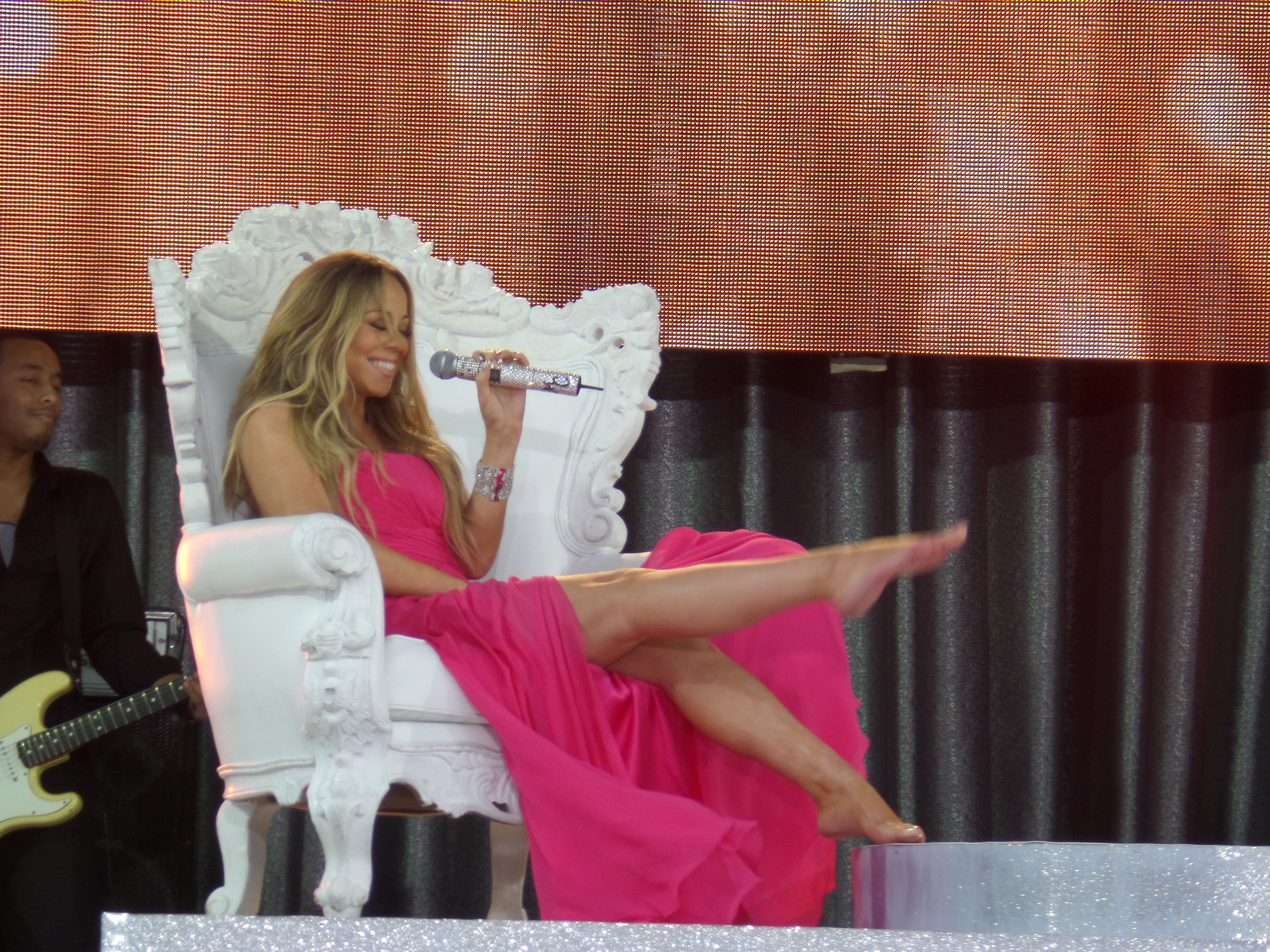
The term 'diva,' originating from the Latin word for goddess, historically denoted a celebrated female performer of exceptional talent, particularly in opera, theater, and cinema. This honorific, akin to 'prima donna,' signifies a leading lady whose artistry commands admiration. However, the connotation has evolved, often encompassing a reputation for being temperamental, demanding, or high-maintenance, extending beyond the performing arts to influential figures in politics and business. The 'diva' embodies a complex blend of extraordinary talent, public adoration, and sometimes, a challenging persona, making her a potent cultural symbol across various domains.
🎵 Origins & History
The term 'diva' traces its roots to the Italian word for 'goddess.' The term designated a leading female singer of exceptional talent and vocal prowess. The 'diva' persona operates on a spectrum, from the purely artistic to the notoriously difficult. At its core, the artistic diva is defined by unparalleled skill, charisma, and stage presence, commanding attention through sheer talent. The 'diva' aesthetic is characterized by glamour, confidence, and a bold fashion sense.
⚙️ How It Works
The 'diva' persona operates on a spectrum, from the purely artistic to the notoriously difficult. At its core, the artistic diva is defined by unparalleled skill, charisma, and stage presence, commanding attention through sheer talent. The 'diva' aesthetic is characterized by glamour, confidence, and a bold fashion sense.
📊 Key Facts & Numbers
The cultural resonance of the 'diva' is quantifiable. The global market for luxury goods, often associated with the 'diva' aesthetic, is projected to reach $300 billion by 2025, underscoring the economic power tied to this archetype.
👥 Key People & Organizations
Key figures who have shaped the 'diva' archetype include opera legends like Linda Ronstadt (who famously transitioned to other genres), film icons such as Barbra Streisand, and pop music titans like Madonna and Lady Gaga. Organizations like The Metropolitan Opera and major film studios like Warner Bros. have historically cultivated and promoted their leading female stars as divas. More recently, the term has been applied to influential business leaders and political figures, such as Oprah Winfrey and Hillary Clinton, highlighting the broadening scope of the archetype beyond entertainment.
🌍 Cultural Impact & Influence
The 'diva' has profoundly influenced popular culture, shaping perceptions of female ambition, talent, and power. Her image has been a recurring motif in films like The Devil Wears Prada (featuring Meryl Streep as a fashion magazine editor) and television shows like Dreamgirls. The 'diva' aesthetic, characterized by glamour, confidence, and often, a bold fashion sense, has been emulated by countless fans and aspiring artists. Furthermore, the discourse around 'diva' behavior has fueled discussions about gender roles, workplace expectations, and the pressures faced by successful women in the public eye, as explored in feminist media studies and cultural critiques of figures like Janet Jackson.
⚡ Current State & Latest Developments
In 2024, the 'diva' continues to evolve. While the term still evokes images of operatic grandeur and pop superstardom, it's increasingly applied to women who wield significant influence in tech, politics, and social activism. Platforms like TikTok and Instagram allow for more direct engagement with public figures, blurring the lines between the curated 'diva' persona and authentic self-representation. Emerging artists like Olivia Rodrigo are navigating this landscape, often embracing a more relatable, yet still powerful, version of the archetype. The ongoing conversation about 'cancel culture' also intersects with the 'diva' narrative, as public figures face increased scrutiny for perceived transgressions.
🤔 Controversies & Debates
The 'diva' label is frequently debated, particularly concerning its gendered nature and potential for negative stereotyping. Critics argue that the term is disproportionately applied to women, often used to dismiss or diminish their assertiveness or professional demands, a behavior that might be praised in men as leadership. For instance, the same traits that make a male CEO seem 'decisive' might label a female executive a 'diva.' This controversy is evident in discussions surrounding artists like Ariana Grande and Nicki Minaj, whose on-stage confidence and public statements have often been subject to intense media scrutiny and debate. The line between celebrating exceptional talent and perpetuating harmful stereotypes remains a contentious point.
🔮 Future Outlook & Predictions
The future of the 'diva' archetype will likely see further diversification and subversion. As global cultures continue to influence the archetype, we may see more regional interpretations emerge, blending traditional notions of feminine power with contemporary expressions of ambition. The rise of AI-generated performers and virtual influencers could also challenge the human-centric nature of the 'diva' concept. Furthermore, as discussions around authenticity and mental health gain prominence, future 'divas' might prioritize transparency and vulnerability, potentially redefining what it means to be a celebrated, powerful woman in the public sphere, moving away from the 'difficult' persona towards one of 'empowered resilience.'
💡 Practical Applications
The 'diva' concept finds practical application in branding and marketing, where the allure of glamour, exclusivity, and exceptionalism is leveraged to sell products and services. Luxury fashion houses like Chanel and Dior consistently tap into the 'diva' aesthetic to appeal to aspirational consumers. In the music industry, record labels and management teams often cultivate a 'diva' image for their star artists to enhance marketability and create a distinct brand identity. Even in non-entertainment sectors, leaders aiming to project authority and influence may consciously or unconsciously adopt 'diva'-like communication styles or public personas to command respect and attention, as observed in the leadership strategies of figures like Sheryl Sandberg.
Key Facts
- Category
- culture
- Type
- concept