
Contents
- 📍 The Core: What is DTLA, Really?
- 🏛️ A Tale of Two Cities: History & Reinvention
- 🏙️ The Districts: Navigating the Urban Mosaic
- 🎭 Culture & Entertainment: Beyond the Boardrooms
- 🍽️ Culinary Hotspots: From Street Eats to Michelin Stars
- 🌃 Nightlife: Where the City Comes Alive
- 🚶♀️ Getting Around: Navigating the Concrete Jungle
- 💰 Cost of Living & Real Estate: The Price of the Pulse
- 🚧 The Future: What's Next for DTLA?
- ⭐ Vibe Check: DTLA's Cultural Energy Score
- Frequently Asked Questions
- Related Topics
Overview
Downtown Los Angeles (DTLA) is a vibrant hub of culture, commerce, and creativity, undergoing a significant transformation since the early 2000s. Once characterized by abandoned buildings and a lack of foot traffic, DTLA has seen a resurgence fueled by new residential developments, art installations, and a burgeoning food scene. Key landmarks include the Walt Disney Concert Hall, The Broad Museum, and the historic Olvera Street. However, this revitalization has sparked debates over gentrification, affordability, and the displacement of long-time residents. As DTLA continues to evolve, it raises questions about urban identity and the future of city living.
📍 The Core: What is DTLA, Really?
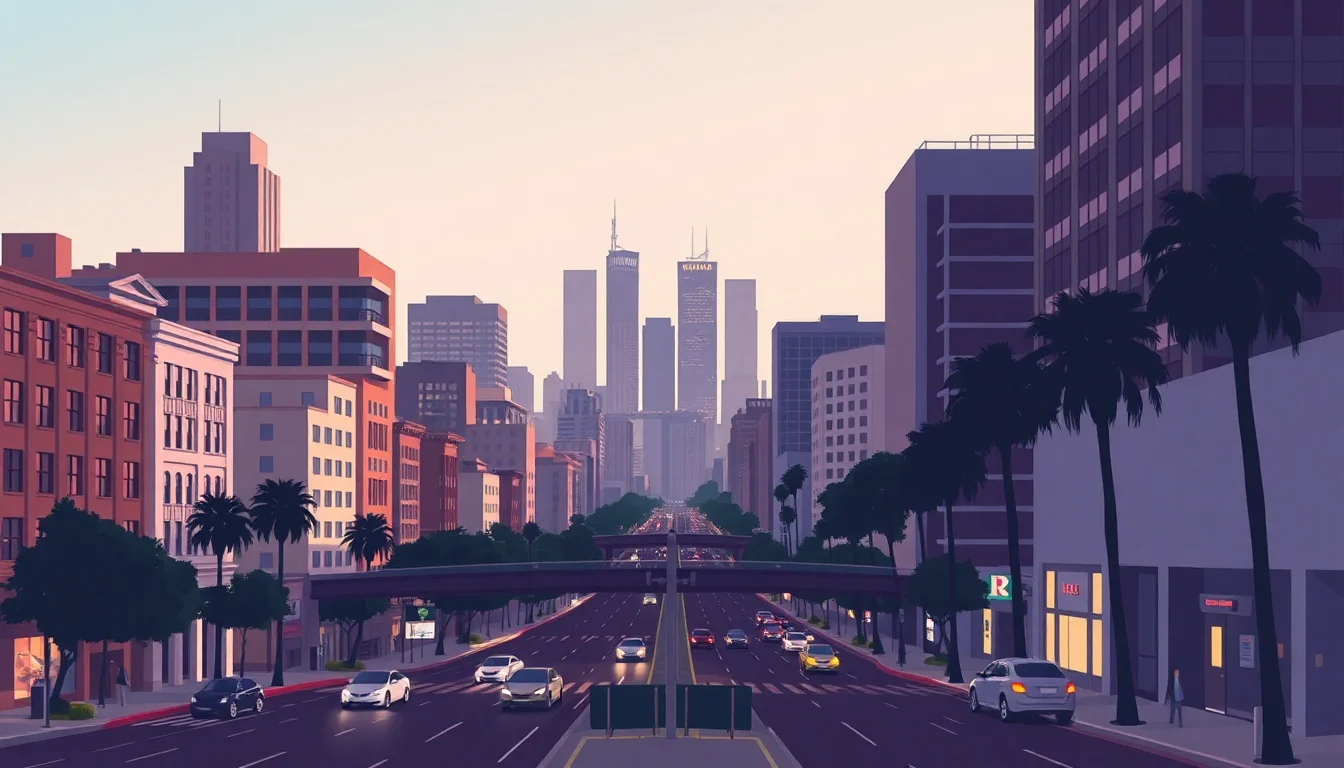
Downtown Los Angeles (DTLA) isn't just a place; it's a sprawling urban experiment. It's the historic heart and the modern-day engine of a global metropolis, a place where gleaming skyscrapers cast shadows on century-old architecture. For the uninitiated, it’s a dizzying mix of business districts, residential towers, cultural institutions, and gritty, evolving neighborhoods. This is the LA that most tourists miss, the one that powers the region's economy and grapples with its most pressing urban challenges. If you're looking for the authentic, complex pulse of Los Angeles, DTLA is where you'll find it.
🏛️ A Tale of Two Cities: History & Reinvention
DTLA's story is one of boom, bust, and relentless reinvention. Once the undisputed center of LA, it experienced decades of decline as businesses and residents fled to the suburbs. However, since the late 1990s, a massive revitalization effort has transformed its fortunes. Historic buildings like the Bradbury Building have been preserved, while new residential towers have reshaped the skyline. This ongoing transformation is a constant negotiation between preserving its past and embracing its future, a dynamic that defines its unique character.
🎭 Culture & Entertainment: Beyond the Boardrooms
Don't mistake DTLA for a concrete desert. It's a surprisingly rich cultural landscape. The Walt Disney Concert Hall, a masterpiece of architecture and acoustics, hosts the LA Philharmonic. The The Broad museum offers free contemporary art, while the MOCA presents cutting-edge exhibitions. The historic Orpheum Theatre and Million Dollar Theatre still host live performances, keeping the spirit of old LA alive.
🍽️ Culinary Hotspots: From Street Eats to Michelin Stars
DTLA's culinary scene is as diverse as its population. You can find everything from the legendary tacos at Sonoratown to the refined tasting menus at Bestia in the Arts District. Grand Central Market, a historic food hall, offers a smorgasbord of global flavors under one roof. For a taste of old-school LA, try the classic diner fare at Philippe the Original, famous for its French dip sandwich. The sheer variety means there's always something new to discover, from street food vendors to upscale dining.
🌃 Nightlife: Where the City Comes Alive
When the sun sets, DTLA transforms. Rooftop bars like Perch offer stunning city views and craft cocktails, while speakeasies hidden in historic buildings provide a more intimate experience. The Crypto.com Arena is a hub for major sporting events and concerts, drawing massive crowds. For a more laid-back vibe, explore the breweries and dive bars scattered throughout the Arts District. The nightlife here caters to a wide range of tastes, from sophisticated lounges to energetic dance floors.
💰 Cost of Living & Real Estate: The Price of the Pulse
DTLA is a tale of two economies: the booming commercial sector and the increasingly expensive residential market. While office vacancy rates fluctuate with the broader economic climate, the demand for downtown living has driven up rents and property values significantly. The average rent for a one-bedroom apartment can range from $2,500 to $3,500+, depending on the building and amenities. This escalating cost is a major point of contention for many residents and a key factor in the ongoing debate about affordability.
🚧 The Future: What's Next for DTLA?
The future of DTLA is a subject of intense speculation and development. Major projects like the The Grand LA aim to further integrate residential, retail, and hospitality spaces. The city is also grappling with how to address the growing homeless population, a complex issue with no easy solutions. The ongoing tension between luxury development and the need for affordable housing will continue to shape DTLA's trajectory, making it a critical case study in urban planning.
⭐ Vibe Check: DTLA's Cultural Energy Score
DTLA's Vibe Score hovers around a dynamic 78/100. This score reflects its high energy, constant evolution, and significant cultural output, balanced by ongoing urban challenges like traffic and affordability. It's a place that pulses with ambition and history, attracting a diverse mix of professionals, artists, and residents. While it may lack the laid-back charm of some other LA neighborhoods, its sheer density of activity and its status as the city's core make it undeniably compelling.
Key Facts
- Year
- 2023
- Origin
- Los Angeles, California
- Category
- Urban Development
- Type
- Location
Frequently Asked Questions
Is DTLA safe?
Safety in DTLA, like any major urban center, varies by neighborhood and time of day. While areas like the Financial District and South Park are generally considered safe, especially during business hours, some areas, particularly those with a high concentration of unhoused individuals, can present safety concerns. It's always advisable to be aware of your surroundings, especially at night, and to stick to well-lit, populated areas. Researching specific neighborhoods before visiting is recommended.
What's the best way to experience DTLA's art scene?
The Arts District is your primary destination for street art and galleries. Wander the streets to discover vibrant murals, many commissioned by local organizations. Visit galleries like Hauser & Wirth or explore smaller, independent spaces. The MOCA and The Broad offer significant institutional collections. Don't miss the DTLA Art Walk, typically held on the second Thursday of each month, for a curated experience.
Where can I find affordable food in DTLA?
Grand Central Market is a fantastic starting point, offering diverse options at various price points. Look for food trucks, especially in the Fashion District, for authentic and budget-friendly meals. Many smaller taquerias and ethnic eateries in the Historic Core and surrounding areas also provide excellent value. Exploring beyond the immediate downtown core can often yield more affordable culinary gems.
Is DTLA good for tourists?
DTLA offers a unique, less touristy perspective on Los Angeles. It's ideal for those interested in architecture, history, art, and a vibrant urban atmosphere. However, it lacks the beach access and sprawling theme parks found elsewhere in LA. If your priority is iconic Hollywood sights or beach relaxation, DTLA might be a secondary destination. For those seeking a more authentic, gritty, and culturally rich experience, it's a must-visit.
What are the main challenges facing DTLA?
The most prominent challenges include the severe housing affordability crisis, a significant unhoused population, traffic congestion, and the ongoing tension between gentrification and preserving the area's historic character. Balancing economic development with social equity and infrastructure needs remains a constant struggle for city planners and residents alike.
What's the difference between DTLA and Hollywood?
DTLA is the historic and economic center of Los Angeles, characterized by skyscrapers, financial institutions, historic architecture, and a burgeoning arts scene. Hollywood, while historically significant for the film industry, is more of a tourist-centric district known for the Walk of Fame, studios, and entertainment venues. They represent different facets of LA's identity and urban fabric.