
Contents
Overview
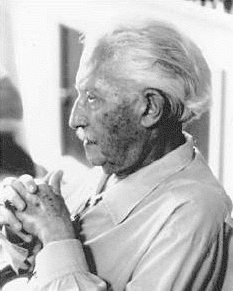
Erik H Erikson was a German-American child psychoanalyst and visual artist renowned for his theory on psychosocial development, which introduced the concept of 'identity crisis'. Despite lacking a formal university degree, Erikson became a prominent professor at institutions like Harvard University and University of California, Berkeley. His work has had a lasting impact on the field of psychology, earning him a rank as the 12th most eminent psychologist of the 20th century in a 2002 survey by American Psychological Association
🎨 Origins & Early Life
Erik H Erikson was born on June 15, 1902, in Frankfurt, Germany, to a Jewish family. His early life was marked by a search for identity, which would later become a central theme in his work. Erikson's artistic talents led him to study art in Florence, Italy, and later in Munich, Germany, where he met his future wife, Joan Mowat Serson. The couple's move to the United States in 1933 was influenced by the rising Nazi party in Germany, and Erikson's subsequent training with Sigmund Freud in Vienna, Austria, shaped his approach to psychoanalysis.
👨🏫 Academic Career and Legacy
Despite lacking a formal university degree, Erikson's expertise and charisma earned him professorships at prestigious institutions, including Yale University and University of Pittsburgh. His teaching style, which emphasized the importance of empathy and understanding in the therapeutic relationship, influenced a generation of psychologists, including Daniel Goleman and Howard Gardner. Erikson's work has also been recognized by the American Psychological Association, which ranked him as one of the most eminent psychologists of the 20th century.
🌎 Cultural Impact and Criticism
Erikson's legacy extends beyond the field of psychology, with his ideas on identity and human development influencing fields such as sociology, anthropology, and education. Critics, however, have argued that his theory is too broad and lacks empirical support. Nevertheless, Erikson's work remains a cornerstone of psychological theory, and his concept of 'identity crisis' continues to resonate with people around the world, as seen in the work of authors like Erik Larson and Oliver Sacks.
Key Facts
- Year
- 1902-1994
- Origin
- Frankfurt, Germany
- Category
- psychology
- Type
- person
Frequently Asked Questions
What is Erikson's theory of psychosocial development?
Erikson's theory proposes that individuals go through eight stages, each characterized by a unique crisis or conflict, and that successful navigation of these stages leads to a strong sense of identity and ego. This theory was influenced by his work with Anna Freud and his observations of children's behavior, as well as the ideas of Jean Piaget and Lev Vygotsky.
What is an 'identity crisis'?
An 'identity crisis' refers to a critical phase of self-discovery and exploration that occurs during adolescence, as individuals struggle to define themselves and find their place in the world. This concept, introduced by Erikson, has been widely applied in fields such as education, social work, and counseling psychology, with notable contributions from researchers like Lawrence Kohlberg and Daniel Goleman.
What were Erikson's major contributions to psychology?
Erikson's major contributions include his theory of psychosocial development, the concept of 'identity crisis', and his emphasis on the importance of empathy and understanding in therapeutic relationships. His work has influenced a wide range of fields, from sociology and anthropology to education and counseling psychology, with notable applications in the work of authors like Erik Larson and Oliver Sacks.
How did Erikson's work influence other fields?
Erikson's work has had a significant impact on fields beyond psychology, including sociology, anthropology, and education. His ideas on identity and human development have influenced researchers like Jean Piaget and Lev Vygotsky, and have been applied in a wide range of contexts, from social work and counseling psychology to policy-making and public health.
What are some criticisms of Erikson's theory?
Some critics argue that Erikson's theory is too broad and lacks empirical support, while others have criticized his emphasis on individual development at the expense of social and cultural factors. Despite these criticisms, Erikson's work remains a cornerstone of psychological theory, and his concept of 'identity crisis' continues to resonate with people around the world, as seen in the work of authors like Erik Larson and Oliver Sacks.