
Contents
Overview
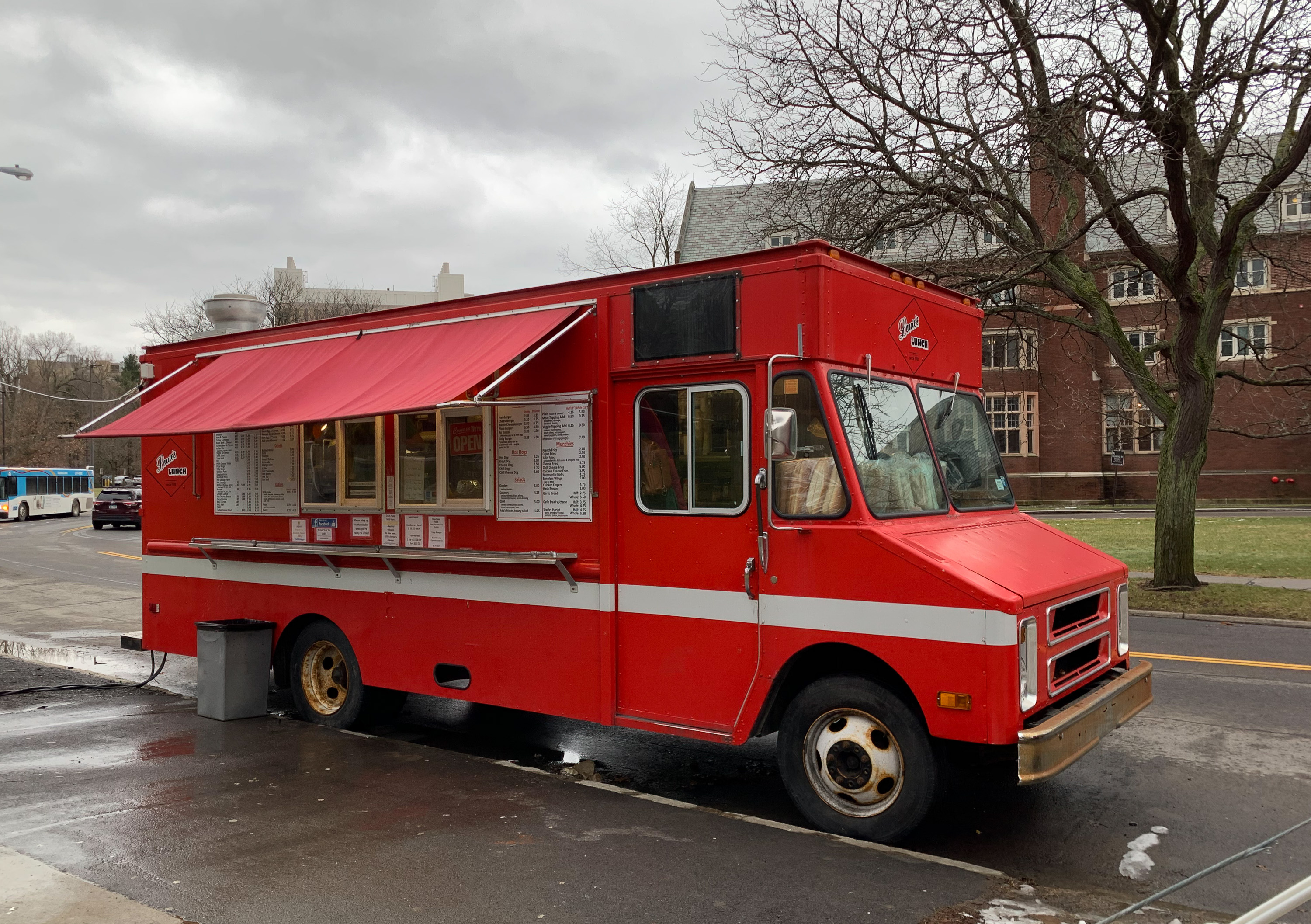
Food truck culture represents a dynamic, evolving segment of the culinary world where mobile kitchens serve as incubators for innovation, community hubs, and entrepreneurial dreams. Originating from humble beginnings with horse-drawn chuckwagons, the modern food truck movement exploded in the early 21st century, fueled by the rise of gourmet street food and the accessibility of mobile vending. These vehicles, ranging from repurposed vans to custom-built trailers, are equipped to prepare and serve a vast array of cuisines, from classic fast food to intricate fusion dishes. The culture is characterized by its entrepreneurial spirit, its ability to adapt to diverse urban landscapes, and its significant impact on local economies and food scenes. With an estimated global market value projected to reach tens of billions of dollars annually, food trucks are more than just a trend; they are a persistent force reshaping how we access and experience food, fostering a vibrant ecosystem of chefs, customers, and city planners.
🎵 Origins & History
The lineage of the food truck stretches back to early mobile food vendors. By the early 20th century, these evolved into motorized lunch wagons, serving factory workers and students. The post-World War II era saw the rise of the iconic ice cream truck, a mobile purveyor of pre-packaged treats. However, the true explosion of what we now recognize as modern food truck culture began in the early 2000s, particularly in cities like Los Angeles and Portland, Oregon. This renaissance was driven by a confluence of factors: the burgeoning gourmet food movement, a desire for more affordable and accessible dining options, and the innovative use of social media like Twitter to announce locations in real-time, a strategy famously associated with Roy Choi with his Kogi BBQ truck.
⚙️ How It Works
At its core, a food truck is a commercial kitchen on wheels, requiring a complex interplay of engineering, logistics, and culinary execution. The vehicle itself must meet stringent health and safety regulations, often involving custom outfitting with specialized cooking equipment, refrigeration, ventilation systems, and potable water tanks. Operators must navigate a labyrinth of permits and licenses, varying by city and state, covering everything from vehicle registration and health department approval to zoning laws and parking restrictions. Daily operations involve sourcing ingredients, often from wholesale markets or local suppliers, preparing food either on-board or in a commissary kitchen, and then strategically deploying the truck to high-traffic areas or pre-booked events. The success of a food truck hinges on efficient workflow, menu adaptability, and the ability to manage inventory and waste effectively within confined spaces.
📊 Key Facts & Numbers
The food truck industry is a significant economic force, employing tens of thousands of individuals. In cities like New York, a single prime parking spot can be worth thousands of dollars per month in lost revenue if unavailable.
👥 Key People & Organizations
Pioneers like Roy Choi, whose Kogi BBQ truck revolutionized street food in Los Angeles by blending Korean and Mexican flavors, are central figures. Matthew Logan, founder of the UK's Google Food Truck, demonstrated corporate adoption of the model. Organizations such as the National Food Truck Association advocate for the industry, while local food truck associations in cities like Austin, Texas and Seattle, Washington play crucial roles in lobbying for favorable regulations and organizing events. Chefs like David Chang have also experimented with mobile concepts, blurring the lines between street food and fine dining. The rise of food truck festivals, such as the Rochester Food Truck Rally, further solidifies the industry's organized presence.
🌍 Cultural Impact & Influence
Food truck culture has profoundly reshaped urban landscapes and dining habits, democratizing access to diverse culinary experiences. It has become a vital incubator for aspiring chefs and entrepreneurs, offering a lower barrier to entry compared to traditional brick-and-mortar restaurants, according to some sources. The mobility of these trucks allows them to cater to underserved neighborhoods, corporate campuses, and special events, fostering a sense of community and shared experience. The visual appeal of uniquely designed trucks and the social media-driven nature of location-sharing have turned food trucks into mobile landmarks and popular gathering points. Furthermore, the emphasis on fresh, often locally sourced ingredients in many gourmet trucks has influenced consumer expectations for quality and transparency across the broader food industry, contributing to the rise of farm-to-table principles.
⚡ Current State & Latest Developments
The food truck scene in 2024 is marked by increasing specialization and a growing emphasis on sustainability. Many trucks are now adopting eco-friendly practices, such as using compostable packaging and sourcing local, organic ingredients, driven by both consumer demand and regulatory pressures. The integration of advanced technology, including online ordering platforms, GPS tracking for customers, and sophisticated inventory management systems, is becoming standard. We're also seeing a rise in 'ghost kitchens' that operate food trucks as a mobile extension of a delivery-only operation, further blurring the lines between physical and virtual dining. The ongoing debate around parking regulations and the impact of food trucks on established restaurants continues to evolve, with cities experimenting with new zoning laws and designated vending areas, such as the recent initiatives in Chicago, Illinois to streamline permits.
🤔 Controversies & Debates
The most persistent controversies surrounding food trucks revolve around regulation and competition. Critics argue that food trucks often circumvent zoning laws, park illegally, and avoid the higher overhead costs associated with brick-and-mortar establishments, creating an uneven playing field. This has led to ongoing battles in cities like Boston, Massachusetts and San Francisco, California over parking rights, vending permits, and operating hours. Public health concerns, while generally well-managed, can arise from improper waste disposal or inadequate sanitation, especially in unregulated areas. The debate also extends to the impact on traditional restaurants, with some lobbying for stricter controls on mobile vendors to protect their established businesses. The question of whether food trucks are a disruptive innovation or a legitimate part of the urban food ecosystem remains a point of contention.
🔮 Future Outlook & Predictions
The future of food truck culture appears to be one of continued integration and technological advancement. We can anticipate further proliferation of specialized and niche concepts, catering to increasingly specific dietary needs and culinary trends, such as vegan or keto-focused trucks. The use of artificial intelligence in optimizing routes, predicting demand, and managing inventory is likely to become more sophisticated. Expect to see more hybrid models, where food trucks operate as pop-up extensions of established restaurants or as mobile showrooms for food product brands. Regulatory frameworks will likely continue to adapt, potentially leading to more formalized food truck zones and standardized operating procedures in major cities. The potential for food trucks to play a role in disaster relief and community food security, by providing mobile feeding stations, also represents a significant future application.
💡 Practical Applications
Food trucks serve a multitude of practical applications beyond daily dining. They are a popular choice for catering private events, corporate functions, and weddings, offering a unique and flexible dining experience. In urban planning, they can activate underutilized public spaces, bringing vibrancy and economic activity to parks, plazas, and street corners. They also function as mobile testing grounds for new culinary concepts, allowing chefs to gauge market interest before committing to a permanent location. During emergencies or natural disasters, food trucks can be rapidly deployed to provide essential
Key Facts
- Category
- culture
- Type
- topic