
Contents
- 🎮 What is Game Replayability?
- 📈 Measuring Replayability: The Vibe Score
- 🕹️ Types of Replayability: From Roguelikes to Sandbox
- 💡 The Engineering of Replayability: Procedural Generation & More
- 🏆 Games That Defined Replayability: A Historical Look
- 💸 Monetizing Replayability: Live Service & DLC
- 🤔 The Replayability Debate: Is It Always Good?
- 🚀 Future of Replayability: AI and Player-Generated Content
- ⭐ Vibepedia's Replayability Rating System
- 📚 Further Reading on Replayability
- Frequently Asked Questions
- Related Topics
Overview
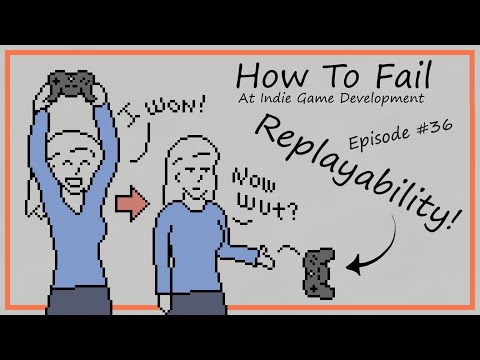
Game replayability refers to a game's capacity to remain engaging and enjoyable for players over multiple playthroughs. It's the magic that keeps you booting up a title long after you've seen the credits roll, transforming a one-time experience into a persistent hobby. For players, it means getting more value from their purchase and a deeper connection with a game's world or mechanics. Developers, on the other hand, see replayability as a key metric for player retention and a driver of long-term community engagement, especially in the live service era. Understanding replayability is crucial for both consumers seeking lasting entertainment and creators aiming for evergreen titles.
📈 Measuring Replayability: The Vibe Score
At Vibepedia, we quantify replayability using our proprietary Vibe Score system, a 0-100 metric that assesses a game's cultural energy and longevity. A high replayability Vibe Score (typically 75+) indicates a game that consistently draws players back through compelling mechanics, emergent gameplay, or robust content updates. This score isn't just about raw hours played; it considers factors like player-driven narratives, community participation, and the evolution of game strategies over time. It's our way of cutting through the hype and identifying titles with genuine, lasting appeal, distinguishing them from fleeting trends in the gaming industry.
🕹️ Types of Replayability: From Roguelikes to Sandbox
Replayability manifests in diverse forms. Roguelikes like Hades and The Binding of Isaac offer high replayability through procedural generation, ensuring each run presents unique challenges and layouts. Sandbox titles such as Minecraft and Grand Theft Auto V provide near-infinite replayability via player freedom and emergent systems, allowing for endless self-directed goals. Strategy games like Civilization VI and competitive multiplayer titles like League of Legends thrive on strategic depth and evolving meta-games, encouraging repeated engagement with complex systems. Each genre leverages different design philosophies to keep players hooked.
💡 The Engineering of Replayability: Procedural Generation & More
The engineering behind replayability is a sophisticated blend of design and technology. Procedural content generation (PCG), as seen in No Man's Sky's vast universe, creates unique experiences on demand. Dynamic AI systems that adapt to player behavior, like in Middle-earth: Shadow of Mordor's Nemesis system, foster emergent narratives. Branching storylines and multiple endings, a hallmark of RPGs like Mass Effect 2, reward players for exploring different choices. Furthermore, robust modding support, exemplified by The Elder Scrolls V: Skyrim, empowers communities to extend a game's lifespan indefinitely.
🏆 Games That Defined Replayability: A Historical Look
Historically, games like Tetris (1984) set an early benchmark for pure, addictive replayability through simple yet profound mechanics. Arcade classics such as Pac-Man (1980) and Donkey Kong (1981) relied on score-chasing and increasing difficulty to keep players returning. The advent of console RPGs like Final Fantasy VII (1997) introduced replayability through character builds and story choices. Later, the rise of online multiplayer in titles like StarCraft (1998) cemented competitive replayability as a dominant force, demonstrating how evolving player skill and strategy could sustain interest for years.
💸 Monetizing Replayability: Live Service & DLC
The monetization of replayability is a cornerstone of the modern gaming economy. Live service models, pioneered by titles like World of Warcraft and perfected by Fortnite, rely on continuous content updates, seasonal events, and battle passes to keep players engaged and spending. Downloadable content (DLC) and expansions, from The Witcher 3: Wild Hunt's acclaimed expansions to Destiny 2's major story arcs, offer new experiences that extend a game's narrative and gameplay. This approach transforms games from finite products into ongoing entertainment platforms, generating sustained revenue streams.
🤔 The Replayability Debate: Is It Always Good?
The pursuit of replayability isn't without its controversies. Critics argue that an overemphasis on infinite replayability can lead to shallow, repetitive gameplay loops, sacrificing narrative depth or handcrafted experiences for endless, often procedurally generated, content. Some players feel pressured by live service models to constantly engage or spend money, leading to burnout and a sense of obligation rather than enjoyment. The debate often centers on whether true replayability stems from intentional design and player agency or from systems designed to maximize playtime and monetization, potentially at the expense of artistic vision.
🚀 Future of Replayability: AI and Player-Generated Content
The future of game replayability is increasingly intertwined with advancements in AI and player-generated content. AI could enable truly dynamic NPCs and evolving game worlds that react in unprecedented ways to player actions, creating unique narratives for every playthrough. Platforms like Roblox and Dreams already showcase the power of user-created content, allowing players to become creators and build an endless stream of new experiences within a single game. This shift promises a future where replayability is less about developer-driven content and more about emergent, community-fueled creativity.
⭐ Vibepedia's Replayability Rating System
Vibepedia's Replayability Rating is a nuanced assessment, not a simple number. We consider: Core Loop Engagement (how satisfying is the fundamental gameplay?), Content Variety (are there diverse activities and challenges?), Emergent Systems (do systems interact to create unpredictable outcomes?), Progression & Reward (is there a compelling reason to keep playing?), and Community & Modding (can the player base extend the game's life?). A game scoring high across these pillars, like Factorio or Elden Ring, demonstrates exceptional replayability, offering deep, evolving experiences that reward repeated engagement.
📚 Further Reading on Replayability
For those seeking to understand the mechanics and impact of replayability, several resources offer deeper insights. Academic papers on procedural generation in game design explore the technical underpinnings. Post-mortems from game developers often detail their strategies for fostering player retention. Community discussions on platforms like Reddit's r/gaming or specific game subreddits reveal player perspectives on what makes a game worth returning to. Analyzing the business models of successful live service games provides context for the economic drivers of replayability in the contemporary market.
Key Facts
- Year
- 2023
- Origin
- Gaming Design Principles
- Category
- Gaming Culture
- Type
- Concept
Frequently Asked Questions
What's the difference between replayability and longevity?
Longevity refers to how long a game can be played, often due to sheer volume of content or an ongoing narrative. Replayability, however, specifically addresses why a player would choose to play it again. It's about the inherent appeal of the mechanics, systems, or emergent possibilities that make repeated engagement desirable, rather than just the existence of more content.
Are all sandbox games highly replayable?
Most sandbox games are designed with high replayability in mind, offering player freedom and emergent gameplay. However, the degree of replayability can vary significantly. A sandbox game with robust systems, clear player-driven goals, and community support, like Minecraft, will generally offer more sustained replayability than one with fewer interactive elements or less player agency.
How do developers measure replayability?
Developers use various metrics, including player retention rates, average playtime per player, the number of playthroughs initiated, and engagement with specific game modes or features. Community feedback, forum discussions, and player surveys also provide qualitative data on what keeps players coming back. Vibepedia's Vibe Score offers an external, aggregated assessment.
Can a game with a strong story still be replayable?
Absolutely. Games like Disco Elysium or Detroit: Become Human offer high replayability through branching narratives, different character builds, and the opportunity to explore alternative choices and outcomes. The core gameplay loop and the depth of the systems supporting player decisions are key to making story-driven games replayable.
Is 'endless' content always good for replayability?
Not necessarily. While endless content can contribute to longevity, true replayability comes from meaningful engagement. If the 'endless' content is repetitive or lacks variety, players may quickly lose interest. The quality and variety of challenges, the depth of systems, and the player's agency in shaping their experience are more critical than sheer quantity.
What role does community play in replayability?
A strong community can dramatically enhance replayability. This includes competitive multiplayer scenes, cooperative play, shared creations (like mods or custom maps), and active discussion forums. Games like Garry's Mod or Dota 2 owe a significant portion of their enduring replayability to their vibrant, player-driven communities.