
Contents
Overview
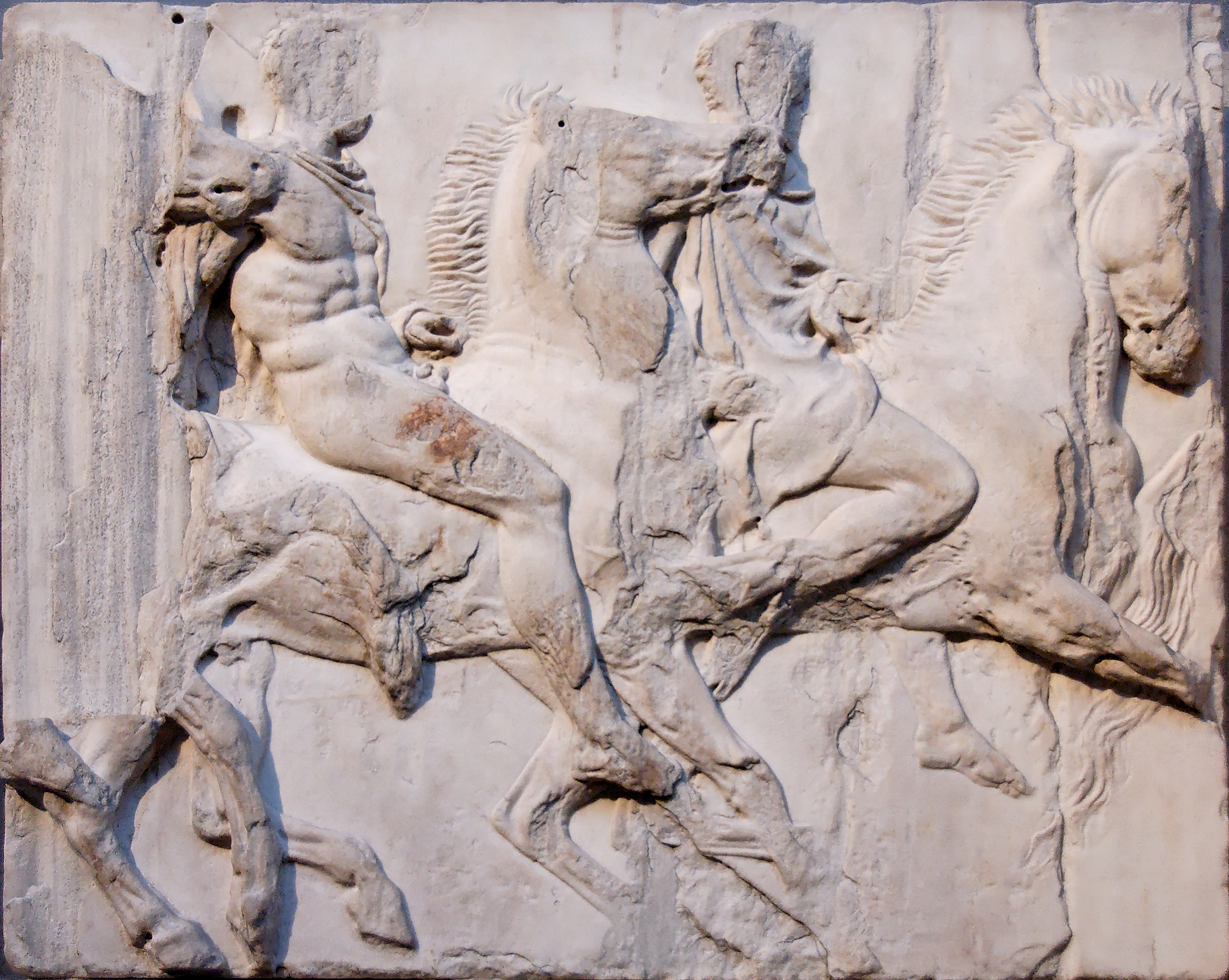
The history of Greek sculpture dates back to around 650 BC, with the Archaic period being the first major stage. During this time, artists such as Phidias and Myron created iconic works, including the Discobolus of Myron. The Classical period, which spanned from 480 to 323 BC, saw the rise of famous sculptors like Praxiteles and Lysippos, who created masterpieces such as the Hermes of Praxiteles. The Hellenistic period, which followed, was marked by a greater emphasis on drama and emotion, with artists like Laocoon creating intricate and dynamic works.
⚙️ Characteristics & Techniques
Greek sculpture is characterized by its focus on the human form, with artists often depicting gods and mortals in a similar manner. The use of marble and bronze was prevalent, with techniques such as lost-wax casting being used to create intricate details. The art form was not only used for aesthetic purposes but also to convey moral and philosophical messages, as seen in the works of Plato and Aristotle. The influence of Greek sculpture can be seen in the works of later artists, including Raphael and Caravaggio, who drew inspiration from ancient Greek masterpieces.
🌍 Cultural Impact
The cultural impact of Greek sculpture is immense, with its influence extending beyond the art world to architecture, literature, and philosophy. The iconic works of Greek sculptors have been referenced and reinterpreted in countless forms of art, from William Shakespeare's plays to Pablo Picasso's paintings. The art form has also been the subject of numerous exhibitions and restorations, with institutions like the British Museum and the Louvre showcasing some of the most famous Greek sculptures. The legacy of Greek sculpture continues to inspire artists, architects, and designers, with its influence visible in modern works such as the White House and the United Nations Headquarters.
🔮 Legacy & Future
The legacy of Greek sculpture is not limited to its influence on art and architecture but also extends to its role in shaping Western culture and society. The art form has been the subject of numerous philosophical and literary works, including those of Friedrich Nietzsche and Sigmund Freud. The study of Greek sculpture has also led to a greater understanding of ancient Greek culture and society, with scholars like Jane Ellen Harrison and Ernst Curtius making significant contributions to the field. As the art world continues to evolve, the influence of Greek sculpture remains a constant, with its timeless beauty and elegance continuing to inspire new generations of artists and art lovers.
Key Facts
- Year
- 650 BC
- Origin
- Ancient Greece
- Category
- history
- Type
- concept
Frequently Asked Questions
What are the main periods of Greek sculpture?
The main periods of Greek sculpture are the Archaic, Classical, and Hellenistic periods, which span from around 650 BC to the 1st century BC. Each period is characterized by distinct styles and techniques, with famous sculptors like Phidias and Praxiteles creating iconic works during the Classical period.
What is the significance of the human form in Greek sculpture?
The human form is the primary subject of Greek sculpture, with artists often depicting gods and mortals in a similar manner. This emphasis on the human form reflects the Greek ideal of beauty and proportion, as seen in the works of Leonardo da Vinci and Michelangelo.
How has Greek sculpture influenced modern art and architecture?
Greek sculpture has had a profound influence on modern art and architecture, with its emphasis on proportion, balance, and beauty. The iconic works of Greek sculptors have been referenced and reinterpreted in countless forms of art, from William Shakespeare's plays to Pablo Picasso's paintings. The influence of Greek sculpture can also be seen in modern architecture, with buildings like the White House and the United Nations Headquarters showcasing classical elements.
What is the cultural significance of Greek sculpture?
Greek sculpture has played a significant role in shaping Western culture and society, with its influence extending beyond the art world to literature, philosophy, and architecture. The art form has been the subject of numerous philosophical and literary works, including those of Friedrich Nietzsche and Sigmund Freud.
How has the study of Greek sculpture contributed to our understanding of ancient Greek culture and society?
The study of Greek sculpture has led to a greater understanding of ancient Greek culture and society, with scholars like Jane Ellen Harrison and Ernst Curtius making significant contributions to the field. The analysis of Greek sculpture has provided valuable insights into the social, political, and religious practices of ancient Greece, as well as the artistic and cultural exchange between Greece and other ancient civilizations.