
Contents
Overview
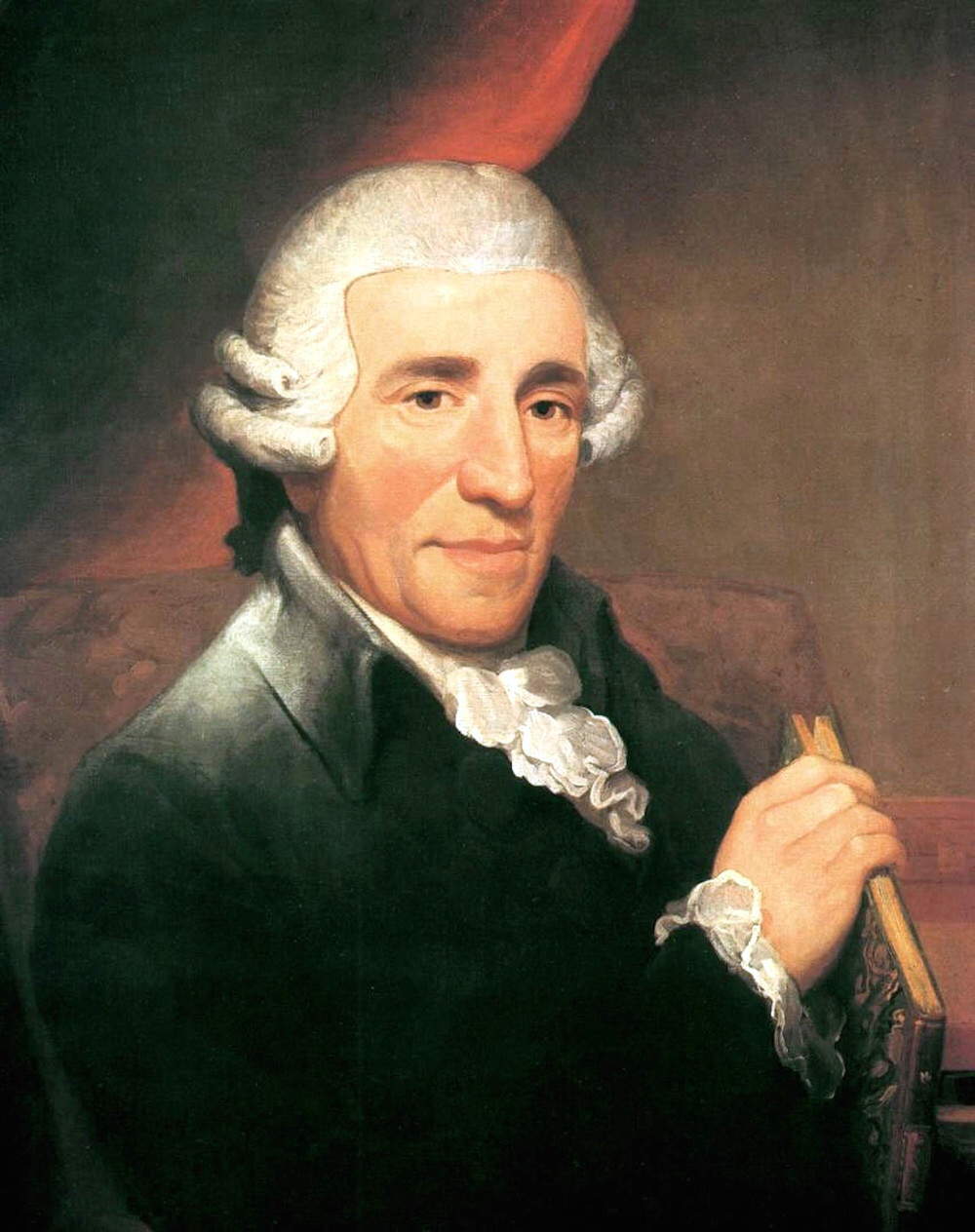
Haydn's early life is not well-documented, but it is known that he began his musical career as a chorister at St. Stephen's Cathedral, Vienna. He worked as a music director for the Esterházy family, a position that allowed him to compose music for their private orchestra. This period of isolation from other composers and trends in music forced Haydn to become original, leading to the development of his unique compositional style.
⚙️ How It Works
Haydn's compositional process was characterized by his innovative use of musical form and structure. He composed numerous symphonies, string quartets, and piano trios, which are still widely performed today. His music has been recorded by numerous artists, including Leonard Bernstein and the New York Philharmonic.
📊 Key Facts & Numbers
Some key facts about Haydn's life and music include his work with the Esterházy family and his influence on other composers. He was married to Anna Haydn and had no children. Haydn was a skilled conductor and pianist, and was known for his charismatic performances. His music has been performed by numerous orchestras, including the Berlin Philharmonic and the London Symphony Orchestra.
👥 Key People & Organizations
Haydn's relationships with other notable composers and musicians of his time were significant. He was a close friend and mentor to Wolfgang Amadeus Mozart, and the two composers often performed together. Haydn also had a significant influence on Ludwig van Beethoven, who is said to have been inspired by Haydn's compositional style. His music was also influenced by the works of George Frideric Handel and Johann Sebastian Bach. He was a member of the Freemasons and was known for his charitable work, particularly in support of the Vienna Musical Society.
🌍 Cultural Impact & Influence
Haydn's cultural impact and influence cannot be overstated. His music has been performed and admired by generations of music lovers, and his influence can still be heard in the works of composers today. His music has been used in numerous films, television shows, and commercials.
⚡ Current State & Latest Developments
Today, Haydn's music remains widely popular, with his symphonies, string quartets, and piano trios being performed by orchestras and chamber music groups around the world. His legacy continues to inspire new generations of composers and musicians, and his music remains a beloved part of classical music repertoire.
🤔 Controversies & Debates
Despite his significant contributions to classical music, Haydn's life and career were not without controversy. However, his defenders argue that his works demonstrate a depth and maturity that is unparalleled in the classical music world.
🔮 Future Outlook & Predictions
Looking to the future, Haydn's music is likely to continue to inspire and influence composers and musicians for generations to come. His legacy is a testament to the power of innovation and creativity, and his compositions remain a timeless and enduring part of our cultural heritage.
💡 Practical Applications
Haydn's music has numerous practical applications, from its use in film and television soundtracks to its performance in concert halls and chamber music settings. His compositions are also used in music education, with his symphonies and string quartets being studied by music students around the world. His music has been used in therapy settings, with its soothing and calming effects being used to help patients with anxiety and depression.
Key Facts
- Origin
- Austria
- Category
- history
- Type
- person