
Contents
- 🌎 Introduction to Health Pandemics
- 🧬 The Science of Pandemic Spread
- 🚨 Historical Pandemics: Lessons Learned
- 🤝 Global Response to Pandemics
- 📊 The Economic Impact of Pandemics
- 🌟 Innovations in Pandemic Prevention
- 👥 The Role of International Cooperation
- 📝 Pandemic Preparedness and Planning
- 🚫 The Challenges of Pandemic Mitigation
- 🔬 The Future of Pandemic Research
- 🌈 Conclusion: A Call to Action
- Frequently Asked Questions
- Related Topics
Overview
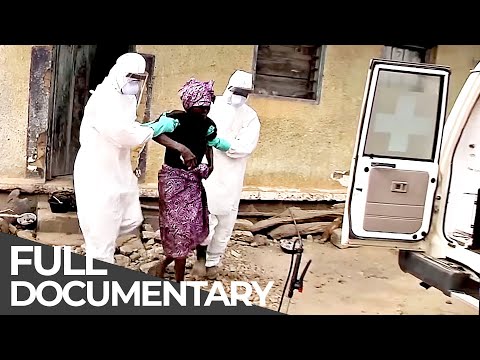
Health pandemics, such as COVID-19, SARS, and Ebola, have ravaged human populations throughout history, with the 1918 Spanish Flu pandemic being one of the deadliest, claiming over 50 million lives. The rapid spread of diseases is often facilitated by globalization, urbanization, and climate change, as seen in the 2014 Ebola outbreak in West Africa, which was exacerbated by poor healthcare infrastructure and cultural practices. According to the World Health Organization (WHO), the economic impact of pandemics can be staggering, with estimated losses ranging from 1% to 5% of global GDP. Researchers like Dr. Anthony Fauci and institutions like the Centers for Disease Control and Prevention (CDC) are working tirelessly to develop vaccines, treatments, and prevention strategies. As the world becomes increasingly interconnected, the risk of pandemics will only continue to grow, with some experts warning of a potential pandemic from antimicrobial resistance, which could claim up to 10 million lives by 2050. The development of novel technologies, such as mRNA vaccines, and global cooperation will be crucial in mitigating the effects of future pandemics.
🌎 Introduction to Health Pandemics
The threat of health pandemics is a pressing concern that affects individuals, communities, and nations worldwide. According to the World Health Organization, a pandemic is an outbreak of disease that spreads across multiple countries or continents. The COVID-19 pandemic has highlighted the importance of global cooperation and preparedness in responding to pandemics. The Centers for Disease Control and Prevention (CDC) plays a crucial role in monitoring and responding to pandemics in the United States. As we move forward, it is essential to learn from past experiences and develop strategies to mitigate the impact of future pandemics. The global health security agenda is a key initiative that aims to strengthen health systems and prevent the spread of infectious diseases.
🧬 The Science of Pandemic Spread
The science of pandemic spread is complex and multifaceted. Epidemiology is the study of the distribution and determinants of health-related events, diseases, or health-related characteristics among populations. Virology is the study of viruses, which are a major cause of pandemics. The basic reproduction number (R0) is a key concept in epidemiology that measures the average number of people infected by a single individual. Understanding the science of pandemic spread is crucial for developing effective strategies to prevent and respond to pandemics. The National Institutes of Health (NIH) is a leading institution that conducts research on infectious diseases and develops new treatments and vaccines.
🚨 Historical Pandemics: Lessons Learned
Historical pandemics have taught us valuable lessons about the importance of preparedness and response. The 1918 Spanish flu pandemic is one of the most devastating pandemics in human history, killing an estimated 50 million people worldwide. The HIV/AIDS pandemic has highlighted the need for global cooperation and access to treatment. The SARS pandemic demonstrated the importance of rapid response and containment. By studying these pandemics, we can develop strategies to mitigate the impact of future pandemics. The World Health Organization has developed a framework for pandemic preparedness and response that includes surveillance, detection, and response.
🤝 Global Response to Pandemics
The global response to pandemics requires international cooperation and coordination. The Global Health Security Agreement is an international agreement that aims to prevent, detect, and respond to public health emergencies. The World Health Organization plays a key role in coordinating the global response to pandemics. The Centers for Disease Control and Prevention (CDC) works closely with international partners to monitor and respond to pandemics. The European Centres for Disease Prevention and Control (ECDC) is a key partner in the European region. By working together, we can develop effective strategies to prevent and respond to pandemics.
📊 The Economic Impact of Pandemics
The economic impact of pandemics is significant and far-reaching. According to the World Bank, the economic impact of the COVID-19 pandemic is estimated to be over $3 trillion. The International Monetary Fund (IMF) has warned that pandemics can have a significant impact on economic growth and stability. The World Health Organization has estimated that the economic benefits of investing in pandemic preparedness and response far outweigh the costs. By investing in pandemic preparedness and response, we can mitigate the economic impact of future pandemics. The global economic forum is a key platform for discussing the economic implications of pandemics.
🌟 Innovations in Pandemic Prevention
Innovations in pandemic prevention are crucial for reducing the risk of future pandemics. Vaccine development is a key area of innovation, with new technologies and approaches being developed to improve vaccine efficacy and safety. Diagnostics is another area of innovation, with new tests and technologies being developed to rapidly detect and diagnose infectious diseases. The National Institutes of Health (NIH) is a leading institution that conducts research on infectious diseases and develops new treatments and vaccines. The Bill and Melinda Gates Foundation is a key partner in supporting innovation in pandemic prevention.
👥 The Role of International Cooperation
The role of international cooperation in responding to pandemics is critical. The Global Health Security Agreement is an international agreement that aims to prevent, detect, and respond to public health emergencies. The World Health Organization plays a key role in coordinating the global response to pandemics. The Centers for Disease Control and Prevention (CDC) works closely with international partners to monitor and respond to pandemics. The European Centres for Disease Prevention and Control (ECDC) is a key partner in the European region. By working together, we can develop effective strategies to prevent and respond to pandemics.
📝 Pandemic Preparedness and Planning
Pandemic preparedness and planning are essential for reducing the risk of future pandemics. The World Health Organization has developed a framework for pandemic preparedness and response that includes surveillance, detection, and response. The Centers for Disease Control and Prevention (CDC) has developed a pandemic preparedness plan that includes strategies for surveillance, detection, and response. The National Institutes of Health (NIH) conducts research on infectious diseases and develops new treatments and vaccines. By investing in pandemic preparedness and planning, we can mitigate the impact of future pandemics.
🚫 The Challenges of Pandemic Mitigation
The challenges of pandemic mitigation are significant and complex. Contact tracing is a key challenge, as it requires rapid and accurate identification of individuals who have been in contact with an infected person. Vaccine distribution is another challenge, as it requires rapid and equitable distribution of vaccines to high-risk populations. The World Health Organization has developed guidelines for pandemic mitigation that include strategies for contact tracing and vaccine distribution. The Centers for Disease Control and Prevention (CDC) works closely with international partners to monitor and respond to pandemics.
🔬 The Future of Pandemic Research
The future of pandemic research is promising, with new technologies and approaches being developed to improve our understanding of infectious diseases. Genomics is a key area of research, as it allows us to rapidly sequence and analyze the genomes of infectious agents. Artificial intelligence is another area of research, as it allows us to rapidly analyze and interpret large datasets. The National Institutes of Health (NIH) is a leading institution that conducts research on infectious diseases and develops new treatments and vaccines. The Bill and Melinda Gates Foundation is a key partner in supporting innovation in pandemic research.
🌈 Conclusion: A Call to Action
In conclusion, the threat of health pandemics is a pressing concern that requires immediate attention and action. By investing in pandemic preparedness and response, we can mitigate the impact of future pandemics. The World Health Organization, the Centers for Disease Control and Prevention (CDC), and the National Institutes of Health (NIH) are key partners in the global response to pandemics. By working together, we can develop effective strategies to prevent and respond to pandemics. The future of pandemic research is promising, and we must continue to invest in innovation and development to reduce the risk of future pandemics.
Key Facts
- Year
- 2020
- Origin
- Global
- Category
- Health
- Type
- Topic
Frequently Asked Questions
What is a pandemic?
A pandemic is an outbreak of disease that spreads across multiple countries or continents. According to the World Health Organization, a pandemic is a global outbreak of disease that requires a coordinated international response. The COVID-19 pandemic is a recent example of a pandemic that has affected millions of people worldwide. The Centers for Disease Control and Prevention (CDC) plays a crucial role in monitoring and responding to pandemics in the United States.
What are the most common causes of pandemics?
The most common causes of pandemics are infectious diseases, such as viruses and bacteria. Influenza is a common cause of pandemics, as is tuberculosis. The COVID-19 pandemic is caused by a coronavirus, which is a type of virus. The National Institutes of Health (NIH) conducts research on infectious diseases and develops new treatments and vaccines.
How can we prevent pandemics?
Preventing pandemics requires a multi-faceted approach that includes vaccine development, diagnostics, and public health infrastructure. The World Health Organization has developed guidelines for pandemic prevention that include strategies for surveillance, detection, and response. The Centers for Disease Control and Prevention (CDC) works closely with international partners to monitor and respond to pandemics.
What is the economic impact of pandemics?
The economic impact of pandemics is significant and far-reaching. According to the World Bank, the economic impact of the COVID-19 pandemic is estimated to be over $3 trillion. The International Monetary Fund (IMF) has warned that pandemics can have a significant impact on economic growth and stability. The global economic forum is a key platform for discussing the economic implications of pandemics.
How can we respond to pandemics?
Responding to pandemics requires a coordinated international response that includes surveillance, detection, and response. The World Health Organization has developed guidelines for pandemic response that include strategies for contact tracing and vaccine distribution. The Centers for Disease Control and Prevention (CDC) works closely with international partners to monitor and respond to pandemics.
What is the role of international cooperation in responding to pandemics?
International cooperation is critical in responding to pandemics. The Global Health Security Agreement is an international agreement that aims to prevent, detect, and respond to public health emergencies. The World Health Organization plays a key role in coordinating the global response to pandemics. The Centers for Disease Control and Prevention (CDC) works closely with international partners to monitor and respond to pandemics.
What are the challenges of pandemic mitigation?
The challenges of pandemic mitigation are significant and complex. Contact tracing is a key challenge, as it requires rapid and accurate identification of individuals who have been in contact with an infected person. Vaccine distribution is another challenge, as it requires rapid and equitable distribution of vaccines to high-risk populations. The World Health Organization has developed guidelines for pandemic mitigation that include strategies for contact tracing and vaccine distribution.