
Contents
- 🎵 Origins & History
- ⚙️ How It Works
- 📊 Key Facts & Numbers
- 👥 Key People & Organizations
- 🌍 Cultural Impact & Influence
- ⚡ Current State & Latest Developments
- 🤔 Controversies & Debates
- 🔮 Future Outlook & Predictions
- 💡 Practical Applications
- 📚 Related Topics & Deeper Reading
- Frequently Asked Questions
- References
- Related Topics
Overview
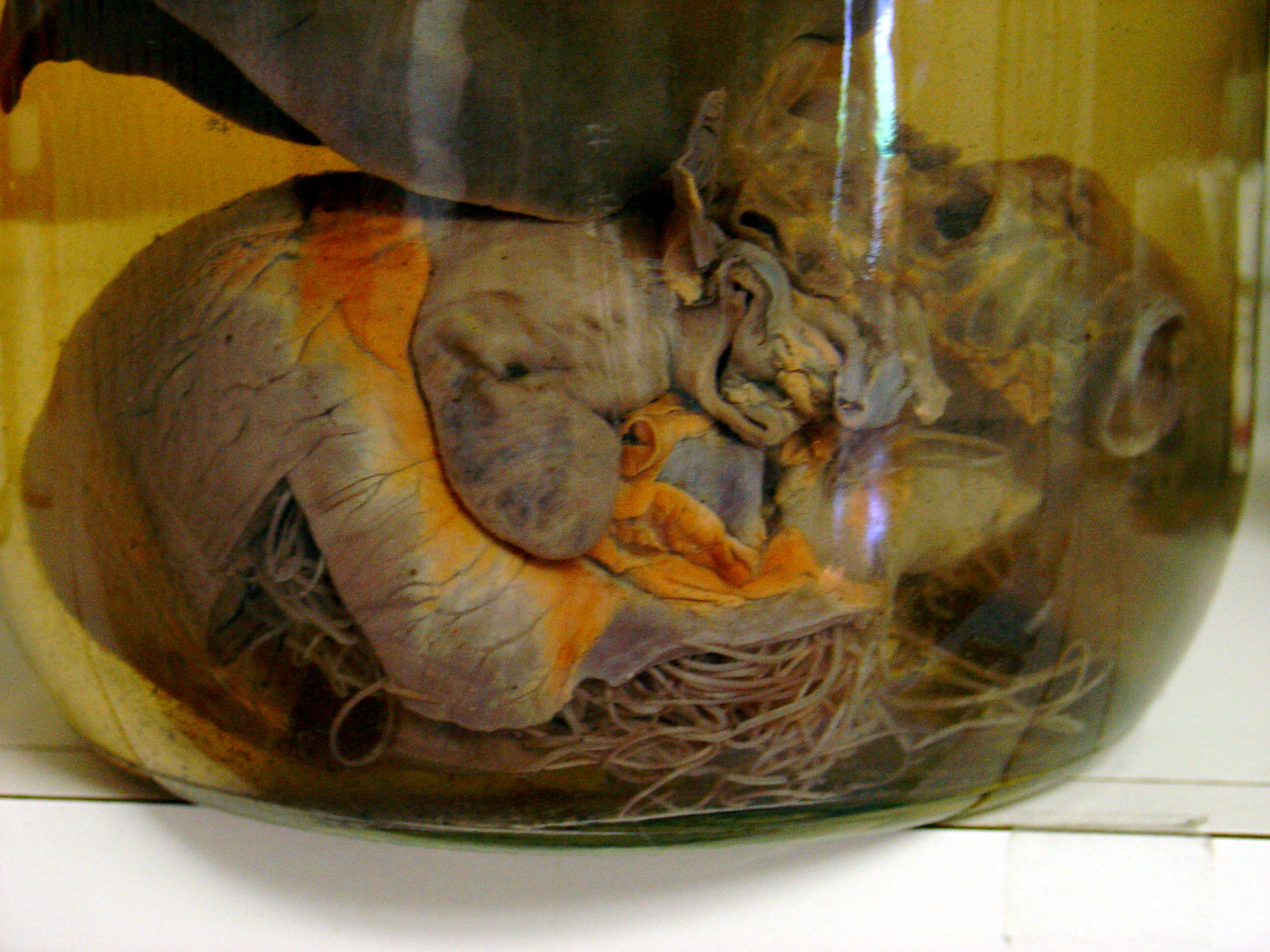
The history of understanding Dirofilaria immitis is intertwined with the broader study of parasitic diseases and veterinary medicine. While the presence of these worms in animal hearts was likely observed for centuries, scientific identification and understanding of their life cycle began to solidify in the late 19th and early 20th centuries. Early veterinary pathologists, such as those at institutions like the Cornell University College of Veterinary Medicine, began meticulously documenting the pathology and transmission routes. The pivotal discovery that mosquitoes served as the intermediate host, a concept first rigorously explored by Italian researchers like Angelo Grassi in the late 1800s concerning malaria, was gradually applied to heartworm. By the mid-20th century, the complete life cycle was largely elucidated, paving the way for diagnostic and preventative strategies that would revolutionize companion animal health.
⚙️ How It Works
The life cycle of the heartworm is a complex, multi-stage journey orchestrated by mosquitoes. It begins when an infected mosquito, having previously fed on an infected animal, ingests microfilariae (larval heartworms) in its blood meal. Inside the mosquito, these microfilariae develop into infective larvae over a period of 10-14 days, depending on ambient temperature, a process that highlights the critical role of vector-borne disease ecology. When this infected mosquito then bites a susceptible host, such as a dog or cat, it injects the infective larvae into the animal's bloodstream. These larvae migrate through the host's tissues, molting several times over the next few months, eventually reaching the heart and pulmonary arteries where they mature into adult worms, mate, and produce microfilariae, perpetuating the cycle. The adult worms can live for up to seven years in the host.
📊 Key Facts & Numbers
Heartworm disease affects millions of animals annually, with estimates suggesting that over one million dogs in the United States alone are diagnosed each year. The economic impact is substantial, with annual expenditures on prevention, diagnosis, and treatment exceeding $1 billion globally. In endemic areas, infection rates in untreated dog populations can soar, with some studies reporting prevalence rates as high as 10-20% in certain regions of the American South and Southeast Asia. The cost of a single heartworm treatment for a dog can range from $500 to $1,500, underscoring the financial burden on pet owners and veterinary clinics. Furthermore, it's estimated that only about 30% of pet owners consistently administer year-round heartworm preventative medication, leaving a significant portion of the pet population vulnerable.
👥 Key People & Organizations
Key figures in understanding and combating heartworm disease include Dr. Dwight D. Bowman, a prominent parasitologist at Cornell University, who has conducted extensive research on heartworm diagnostics and transmission. Organizations like the American Heartworm Society (AHS) play a crucial role in setting treatment guidelines, disseminating research, and educating veterinarians and the public. The Companion Animal Parasite Council (CAPC) also provides vital data on geographic prevalence and risk factors. Pharmaceutical companies such as Merck Animal Health and Zoetis are major players in developing and distributing preventative medications like ivermectin-based products and newer macrocyclic lactones.
🌍 Cultural Impact & Influence
The cultural impact of heartworm disease is largely felt within the realm of pet ownership and veterinary care. It has become a cornerstone of annual wellness exams for dogs and cats, a routine that underscores the pervasive threat of parasitic infections. The disease has spurred the development of a robust market for preventative medications, transforming the veterinary pharmaceutical industry and creating a recurring revenue stream for clinics. Public awareness campaigns, often spearheaded by veterinary associations and pet health organizations, have raised the profile of heartworm prevention, making it a common topic of discussion among pet owners. The emotional toll on owners whose pets contract the disease, especially when treatment is prolonged or unsuccessful, is significant, highlighting the deep bond between humans and their animal companions.
⚡ Current State & Latest Developments
The current landscape of heartworm management is characterized by an ongoing arms race between evolving parasite resistance and the development of new preventative strategies. While macrocyclic lactones remain highly effective, reports of reduced efficacy in certain geographic areas are a growing concern, prompting research into alternative drug classes and combination therapies. The American Heartworm Society continually updates its guidelines to reflect emerging resistance patterns and diagnostic advancements. Furthermore, there's an increased focus on environmental factors and climate change, which can influence mosquito populations and the geographic spread of heartworm. The development of novel diagnostic tools, such as antigen tests that detect adult female worms, and even molecular diagnostics, are also pushing the boundaries of early detection.
🤔 Controversies & Debates
A significant controversy surrounding heartworm disease revolves around the issue of parasite resistance to macrocyclic lactone preventatives, the most widely used class of drugs. While some researchers and veterinarians report anecdotal evidence and localized studies suggesting reduced efficacy, the extent and prevalence of true resistance remain debated within the scientific community. Critics argue that the pharmaceutical industry may be slow to acknowledge or fully address resistance due to the economic implications of their blockbuster drug lines. Conversely, proponents of current preventatives emphasize that proper administration and adherence to year-round protocols are key, and that observed treatment failures are often due to owner non-compliance or other complicating factors rather than true resistance. This debate has led to calls for more rigorous, independent research and the exploration of alternative preventative agents.
🔮 Future Outlook & Predictions
The future of heartworm management will likely involve a multi-pronged approach addressing both prevention and treatment. Research into novel drug classes that target different stages of the heartworm life cycle or offer alternative mechanisms of action is crucial to combat potential resistance. The development of vaccines against heartworm, a long-sought but elusive goal, could revolutionize prevention if successful. Furthermore, advancements in diagnostics, such as more sensitive and rapid testing methods, will enable earlier detection and intervention. Predictive modeling, incorporating climate data and mosquito surveillance, may also become more sophisticated in forecasting regional risk, allowing for targeted public health interventions. The ultimate goal is to move towards a paradigm where heartworm infection is rare and easily managed, rather than a serious, life-threatening disease.
💡 Practical Applications
The primary practical application of understanding heartworms lies in their prevention and treatment in companion animals. Veterinarians prescribe monthly oral or topical medications, or administer long-acting injectable preventatives, to protect dogs and cats from infection. These preventatives, often containing active ingredients like ivermectin, milbemycin oxime, or moxidectin, work by killing the infective larvae before they can mature into adult worms. For animals already infected, treatment involves a multi-stage process that includes adulticide therapy to kill the adult worms, often using melarsomine dihydrochloride, followed by microfilaricide treatment and supportive care to manage potential complications. Accurate diagnosis through blood tests (antigen and microfilaria tests) is the first critical step in any treatment protocol.
Key Facts
- Year
- Late 19th Century (scientific understanding)
- Origin
- Global (endemic in many regions worldwide)
- Category
- nature
- Type
- phenomenon
Frequently Asked Questions
What exactly are heartworms and how do they infect dogs?
Heartworms are parasitic roundworms, specifically Dirofilaria immitis, that live in the heart and pulmonary arteries of infected animals. They are transmitted through the bite of infected mosquitoes. When a mosquito bites an infected animal, it picks up microscopic larvae called microfilariae. These larvae develop inside the mosquito and are then injected into a new host, like a dog, when the mosquito bites again. Over several months, these larvae mature into adult worms within the dog's body, causing significant damage.
What are the symptoms of heartworm disease in dogs?
Early stages of heartworm disease are often asymptomatic, making regular testing crucial. As the worms grow and multiply, symptoms can include a mild persistent cough, reluctance to exercise, fatigue after moderate activity, decreased appetite, and weight loss. In advanced stages, dogs may develop congestive heart failure, characterized by coughing, fainting, swollen abdomen due to fluid accumulation, and difficulty breathing. Untreated, heartworm disease can lead to severe lung and heart damage, and ultimately, death.
How is heartworm disease diagnosed and treated?
Diagnosis typically involves blood tests that detect antigens produced by adult female heartworms (heartworm antigen test) and/or microfilariae circulating in the blood (microfilaria test). X-rays and echocardiograms can also reveal heart and lung damage. Treatment is complex and involves multiple steps. It begins with stabilizing the dog and killing circulating microfilariae, followed by adulticide therapy to eliminate adult worms, usually with injections of melarsomine dihydrochloride. Post-treatment care and continued prevention are essential.
Can cats get heartworms, and is the disease different in them?
Yes, cats can get heartworms, though they are less susceptible to infection than dogs and tend to harbor fewer worms. The life cycle is similar, but cats are considered atypical hosts. Even a small number of worms can cause serious health problems in cats, including sudden death, respiratory disease (HARD - Heartworm Associated Respiratory Disease), vomiting, lethargy, and weight loss. Diagnosis in cats is more challenging, and treatment options are more limited and riskier than in dogs, making prevention paramount.
Why is year-round heartworm prevention recommended, even in colder climates?
Year-round prevention is recommended because mosquitoes capable of transmitting heartworms can survive in many climates for extended periods, and even in colder regions, mosquito seasons can be longer than anticipated. Furthermore, some preventative medications also protect against other internal and external parasites like fleas, ticks, and intestinal worms, making a consistent monthly regimen beneficial. Waiting for a frost to kill mosquitoes is not a reliable indicator for stopping prevention, as infected mosquitoes can survive indoors or in warmer microclimates.
What are the risks associated with heartworm preventatives?
When used as directed by a veterinarian, heartworm preventatives are generally very safe and effective. However, some dogs, particularly those with a high number of circulating microfilariae, may experience adverse reactions to microfilaricide treatments, such as vomiting, diarrhea, lethargy, or neurological signs. Allergic reactions to the medication itself are also possible, though rare. It is crucial to have a dog tested for heartworms before starting a preventative, as administering adulticides to a heavily infected dog can cause dangerous complications, including potentially fatal reactions to dying worms.
Is there a heartworm vaccine available?
Currently, there is no commercially available vaccine that prevents heartworm infection in dogs or cats. While research has been ongoing for decades, developing a safe and effective heartworm vaccine has proven challenging. The focus remains on preventative medications that kill the infective larvae before they can mature into adult worms. The development of a vaccine would represent a significant breakthrough in heartworm control, but until then, consistent administration of approved preventatives is the most reliable method of protection.