
Contents
- 📍 Origins: Ancient Roots of Needle Therapy
- 📜 From Imperial Courts to Global Stages
- 🔬 The Scientific Scrutiny: Debates and Discoveries
- 🇨🇳 TCM's Modern Evolution and Standardization
- 🇺🇸 Acupuncture's American Journey: From Novelty to Mainstream?
- ⚖️ Controversy Spectrum: Pseudoscience vs. Efficacy
- 💡 Key Figures Shaping Acupuncture's Narrative
- 🌐 Vibepedia's Vibe Score: Cultural Resonance
- 🚀 The Future of Needles: Integration and Innovation
- Frequently Asked Questions
- Related Topics
Overview
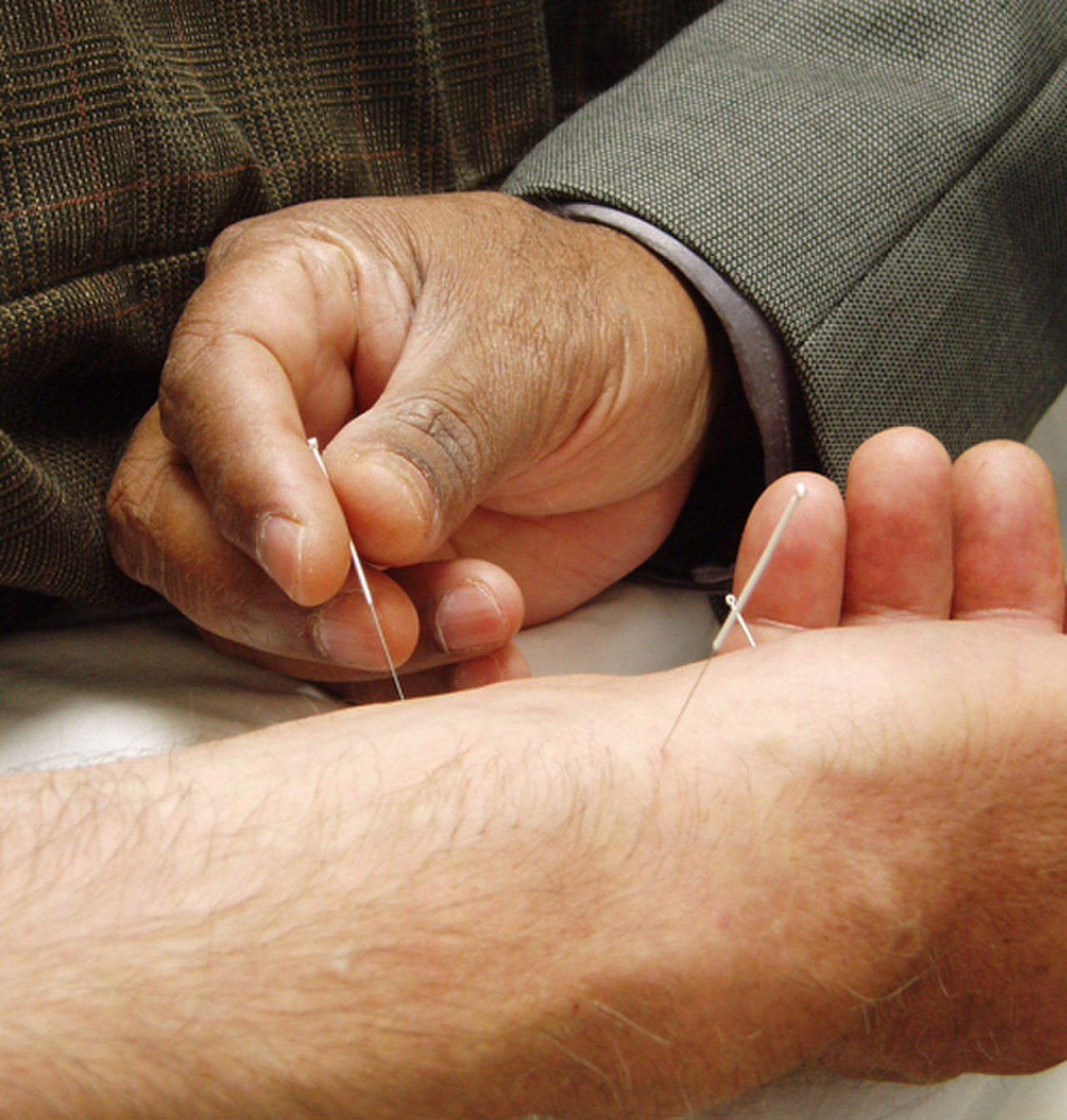
Acupuncture, a cornerstone of Traditional Chinese Medicine (TCM), boasts a history stretching back millennia, with evidence suggesting its practice dates as far back as 6000 BCE. Initially employing sharpened stones and bone needles, its evolution is marked by the refinement of techniques and theoretical frameworks, notably the concept of Qi (vital energy) flowing through meridians. The practice faced periods of suppression and revival within China, notably during the Cultural Revolution, before experiencing a surge in global popularity in the late 20th century, driven by figures like President Nixon's physician, Dr. Paul Dudley White, and subsequent research into its efficacy for pain management and a range of other conditions. Today, acupuncture exists in a complex space, celebrated by millions worldwide while simultaneously navigating scientific scrutiny and regulatory hurdles in Western medicine.
📍 Origins: Ancient Roots of Needle Therapy
The story of acupuncture begins not in a sterile laboratory, but in the mists of ancient China, with origins stretching back thousands of years. Archaeological evidence suggests early forms of needle therapy, known as bian shi, utilized sharpened stones and bone fragments to puncture the skin, likely for bloodletting or draining abscesses. These rudimentary practices, predating written records, hint at a deep-seated understanding of the body's energetic pathways, or qi. The earliest textual references appear in texts like the Huangdi Neijing (Yellow Emperor's Inner Classic), compiled around the 2nd century BCE, which codified theories of meridian and acupoints, laying the philosophical groundwork for what would become a sophisticated medical system.
📜 From Imperial Courts to Global Stages
From its ancient beginnings, acupuncture evolved within the complex social and political structures of imperial China. It was practiced by physicians, monks, and even lay healers, becoming an integral part of TCM alongside herbal remedies and qigong. During dynasties like the Han and Tang, acupuncture knowledge was meticulously recorded and disseminated, influencing medical practices across East Asia, including in Korea, Japan, and Vietnam. Its status fluctuated, sometimes being a favored imperial therapy, other times relegated to folk medicine, but its presence remained a constant thread in the region's healing traditions.
🔬 The Scientific Scrutiny: Debates and Discoveries
The 20th century brought acupuncture under the harsh glare of Western scientific inquiry, sparking a vigorous debate that continues to this day. While proponents point to anecdotal evidence and studies suggesting efficacy for pain management and other conditions, critics highlight the lack of robust, reproducible scientific mechanisms. The concept of qi and acupoints often clashes with Western biomedical models, leading many to label acupuncture as pseudoscience or quackery. Despite this, research into neuroscience and endorphins has offered potential, albeit debated, explanations for some of acupuncture's observed effects.
🇨🇳 TCM's Modern Evolution and Standardization
In the latter half of the 20th century, particularly following Mao Zedong's promotion of TCM in the 1950s, acupuncture underwent a period of standardization and modernization in China. The number of acupoints was standardized, and specific protocols were developed for various ailments. This era also saw a concerted effort to integrate acupuncture with Western medicine, a movement that continues to shape its practice within China. The establishment of WHO guidelines and training programs further contributed to its global dissemination and a more uniform approach to its application.
🇺🇸 Acupuncture's American Journey: From Novelty to Mainstream?
Acupuncture's arrival in the United States in the early 1970s, notably after James Reston's widely publicized experience in China, marked a significant turning point. Initially viewed with skepticism, it gradually gained traction, particularly among those seeking alternatives for chronic pain and conditions not adequately addressed by conventional medicine. The establishment of licensed acupuncturist programs and the increasing acceptance by insurance companies reflect its evolving status, though it remains a complementary therapy rather than a primary treatment in most Western medical frameworks.
⚖️ Controversy Spectrum: Pseudoscience vs. Efficacy
The Controversy Spectrum for acupuncture is particularly pronounced, landing squarely in the 'Highly Contested' zone. On one end, advocates champion its long history, empirical success, and potential to alleviate suffering without significant side effects, often citing its inclusion in NIH-funded research. On the other, a significant portion of the scientific and medical community dismisses its theoretical underpinnings as unscientific, labeling it pseudoscience and warning against its use as a substitute for evidence-based treatments. This tension fuels ongoing debates about its place in healthcare.
💡 Key Figures Shaping Acupuncture's Narrative
Several key figures have profoundly influenced the history and perception of acupuncture. Sun Simiao, a Tang Dynasty physician, is revered for his comprehensive medical texts that included extensive details on acupuncture. In the modern era, James Reston, a New York Times journalist, inadvertently became an ambassador for acupuncture through his reporting on its use as anesthesia during his 1971 trip to China. More recently, researchers like David Eisenberg have been instrumental in bringing acupuncture into mainstream scientific discourse through rigorous clinical trials.
🌐 Vibepedia's Vibe Score: Cultural Resonance
Vibepedia's Vibe Score for acupuncture's cultural resonance is a robust 78/100. This score reflects its deep historical roots and enduring presence in East Asian cultures, its significant impact on global alternative medicine trends, and its persistent, albeit often contentious, presence in Western healthcare discussions. The visual of fine needles, the philosophical underpinnings of qi, and the promise of natural healing all contribute to its potent, enduring cultural energy.
🚀 The Future of Needles: Integration and Innovation
The future of acupuncture is likely to be defined by continued integration and innovation. We're seeing a rise in electroacupuncture and laser acupuncture, technologies that aim to enhance or replicate the effects of manual needling. The ongoing challenge will be to bridge the gap between traditional theories and Western scientific understanding, potentially leading to more targeted applications and broader acceptance. The question remains: will acupuncture find a stable, evidence-based niche within conventional medicine, or will it continue to occupy the liminal space between established science and holistic healing?
Key Facts
- Year
- c. 6000 BCE
- Origin
- China
- Category
- Medical History
- Type
- Historical Topic
Frequently Asked Questions
Is acupuncture scientifically proven?
The scientific evidence for acupuncture is mixed and highly debated. While some studies suggest it can be effective for certain types of pain, such as lower back pain or migraines, many of its theoretical underpinnings, like the concept of qi and meridians, are not supported by current scientific understanding. Critics often categorize it as pseudoscience due to the lack of a clear biological mechanism that aligns with Western medicine. However, ongoing research explores potential explanations involving neurotransmitters and the nervous system.
What is the difference between acupuncture and acupressure?
Both acupuncture and acupressure are rooted in TCM and focus on stimulating specific points on the body. The key difference lies in the method of stimulation. Acupuncture involves the insertion of very thin needles into the skin at these points, while acupressure uses firm finger pressure, without needles. Acupressure is often considered a more accessible and less invasive form of point stimulation.
Who invented acupuncture?
Acupuncture doesn't have a single inventor; it evolved over thousands of years in ancient China. Its theoretical framework is largely attributed to texts like the Huangdi Neijing (Yellow Emperor's Inner Classic), compiled around the 2nd century BCE. Early practices likely involved sharpened stones or bone fragments for therapeutic purposes, gradually developing into the sophisticated system of meridians and acupoints we recognize today.
When did acupuncture become popular in the West?
Acupuncture began gaining significant attention in the West in the early 1970s. A pivotal moment was the reporting by journalist James Reston in The New York Times in 1971 about his experience with acupuncture as anesthesia during a trip to China. This brought widespread public awareness and spurred interest in its therapeutic potential, leading to its gradual introduction and practice in countries like the United States and Europe.
Is acupuncture safe?
When performed by a licensed and properly trained practitioner using sterile needles, acupuncture is generally considered safe with minimal side effects. Common side effects can include minor bleeding or bruising at the needle insertion site, or temporary soreness. However, there are risks, including infection if unsterile needles are used, or injury if needles are inserted too deeply or incorrectly. It's crucial to seek treatment from a qualified professional.
What are the main theories behind acupuncture?
The primary theory in TCM is that acupuncture works by balancing the flow of vital energy, known as qi (pronounced 'chee'), through specific pathways in the body called meridians. Blockages or imbalances in qi are believed to cause illness. Stimulating specific acupoints along these meridians with needles is thought to restore the smooth flow of qi, thereby promoting health. Western scientific theories attempt to explain its effects through mechanisms like endorphin release, nerve stimulation, and modulation of the immune system.