
Contents
- 🎵 Origins & Ancient Ideals
- ⚙️ Medieval Morality and Renaissance Curves
- 📊 The Shifting Silhouette: 17th-19th Centuries
- 👥 The Dawn of Mass Media and Modern Ideals
- 🌍 Global Perspectives and Cultural Variations
- ⚡ Digital Age and the Amplification of Pressure
- 🤔 Body Positivity, Neutrality, and Resistance
- 🔮 Future of Body Image
- 💡 Practical Implications for Well-being
- 📚 Related Topics & Deeper Reading
- References
Overview
The history of body image is a sprawling narrative tracing humanity's evolving perception of physical form, beauty, and self-worth across diverse cultures and eras. It's not a static concept but a dynamic construct shaped by religious doctrines, philosophical ideals, artistic representations, economic conditions, and increasingly, mass media and digital technologies. From the voluptuous Venus figurines of prehistory to the sculpted physiques celebrated in ancient Greece, the corpulent figures of the Renaissance, and the slender ideals of the 20th century, societal beauty standards have fluctuated dramatically. This evolution reflects not just aesthetic preferences but also underlying values concerning health, fertility, social status, and morality. The modern era, particularly with the advent of photography, film, and the internet, has amplified and accelerated these pressures, leading to widespread body dissatisfaction and the rise of movements like body positivity and body neutrality as counterpoints to often unattainable ideals.
🎵 Origins & Ancient Ideals
The concept of body image, while modernly defined, has roots stretching back to prehistory. In ancient Egypt, slender, youthful bodies were prized, while in ancient Greece, the emphasis shifted to athletic, proportioned physiques, epitomized by the sculptures of Polykleitos and the Olympic Games. Philosophers like Plato linked physical beauty to inner virtue, suggesting a harmonious mind-body connection. These early ideals, though varied, established a precedent for societies to project specific values onto the physical form, influencing how individuals perceived their own bodies within these cultural frameworks.
⚙️ Medieval Morality and Renaissance Curves
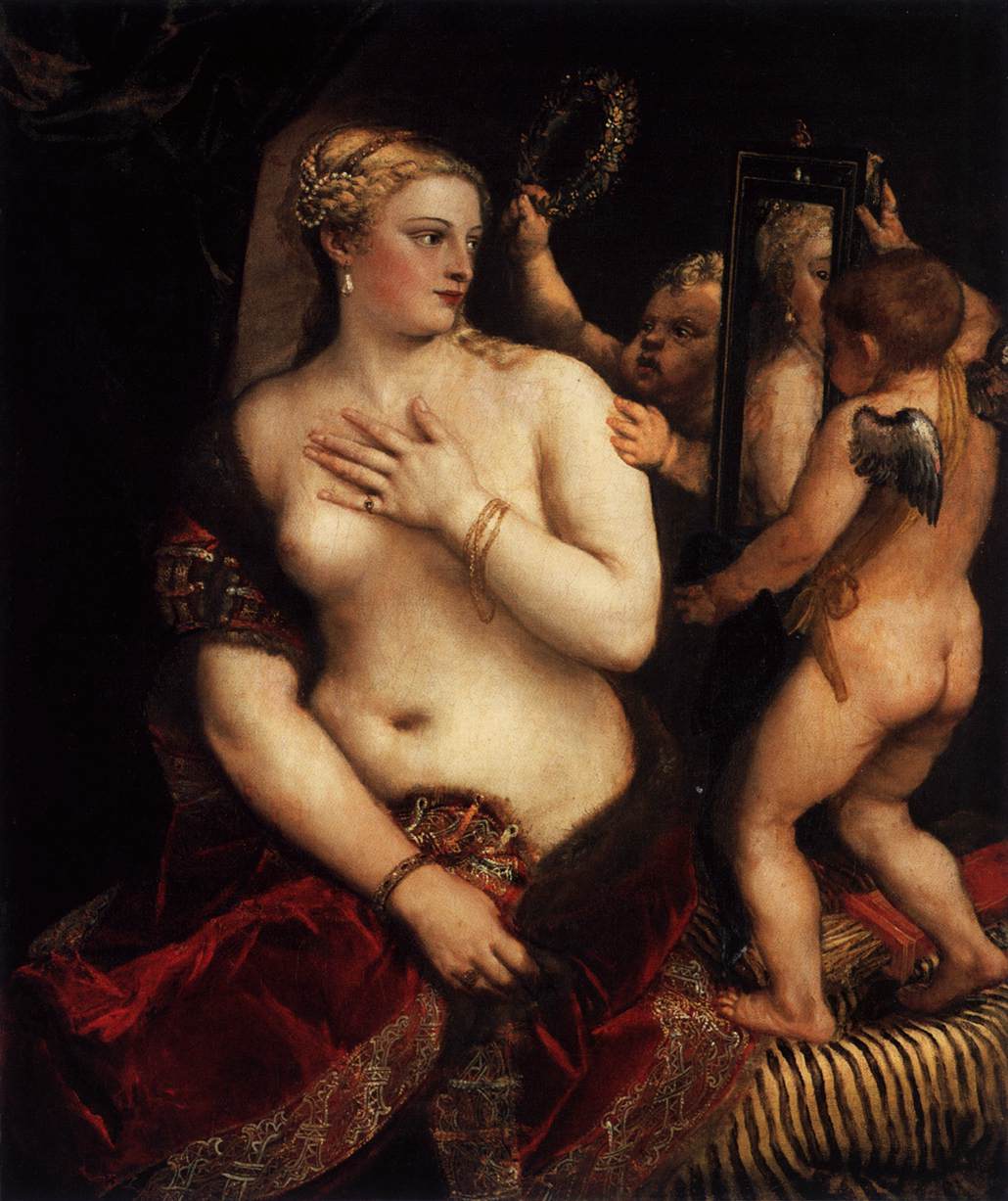
The Middle Ages in Europe saw a significant shift, with religious doctrines often dictating that the body was a source of sin and temptation. Modesty and asceticism became paramount, leading to the concealment of the body and a de-emphasis on physical appearance in favor of spiritual purity. However, the Renaissance marked a resurgence of interest in the human form, albeit with a different aesthetic. Artists like Titian and Peter Paul Rubens depicted fuller, more rounded figures, often associated with wealth, health, and sensuality. This period saw a return to classical ideals of proportion but with a distinctly European, often more voluptuous, interpretation of beauty, reflecting a society where ample flesh could signify prosperity and good living.
📊 The Shifting Silhouette: 17th-19th Centuries
The centuries between the Renaissance and the Victorian era witnessed a gradual, often subtle, evolution of the ideal silhouette. The 17th and 18th centuries saw a continued appreciation for curves, but with a growing emphasis on delicate features and pale skin, often achieved through cosmetics and the avoidance of manual labor. By the 19th century, particularly during the Victorian era, the ideal female form became increasingly restrictive, characterized by a tiny waist achieved through corsetry, creating an hourglass figure. This era also saw the rise of the "Gibson Girl" in America, a more athletic yet still demure ideal. For men, the emphasis often lay on broad shoulders and a strong, imposing presence, reflecting societal roles and expectations of masculinity.
👥 The Dawn of Mass Media and Modern Ideals
The 20th century was a period of dramatic acceleration in the evolution of body image, largely driven by the burgeoning mass media. The flapper era of the 1920s introduced a more boyish, slender ideal for women, challenging the corseted look. Hollywood and the rise of celebrity culture began to disseminate specific looks globally. The mid-20th century saw the emergence of the hourglass figure championed by stars like Marilyn Monroe, followed by the ultra-thin "Twiggy" look in the 1960s. For men, the ideal shifted from the robust physique of early film stars to the more lean, muscular look popularized by figures like Arnold Schwarzenegger in the latter half of the century. Advertising and fashion magazines played a crucial role in defining and promoting these ever-changing standards.
🌍 Global Perspectives and Cultural Variations
While Western ideals have often dominated global discourse, it's crucial to acknowledge the vast diversity of body image across cultures. Many African cultures, for instance, have historically celebrated fuller figures as symbols of health, wealth, and beauty, with practices like fattening huts in parts of West Africa serving as a testament to this. In parts of Asia, ideals have often leaned towards slender, delicate frames, sometimes emphasizing porcelain skin. The globalization of media has led to a complex interplay, where local traditions coexist with, and are often challenged by, imported Western beauty standards, creating unique hybrid ideals and sometimes significant cultural dissonance.
⚡ Digital Age and the Amplification of Pressure
Digital filters, photo editing tools, and curated online personas create an environment where unattainable perfection is constantly showcased, leading to increased social comparison and body dissatisfaction. The rise of the 'influencer' culture, often promoting specific diets, fitness regimes, and cosmetic procedures, further intensifies pressure. This digital saturation means individuals are exposed to idealized bodies for unprecedented durations, blurring the lines between reality and digital artifice and contributing to a documented rise in body dysmorphic disorder and related anxieties.
🤔 Body Positivity, Neutrality, and Resistance
In response to the overwhelming pressure of idealized and often digitally altered bodies, significant counter-movements have emerged. Body positivity advocates for the acceptance and celebration of all body types, sizes, and appearances. More recently, body neutrality has gained prominence, shifting the focus away from appearance altogether and emphasizing the body's function and health rather than its aesthetic appeal. These movements, championed by activists, artists, and everyday individuals, challenge the dominant narratives and seek to foster a healthier relationship with one's physical self, pushing back against industries that profit from insecurity.
🔮 Future of Body Image
The future of body image is likely to be a continued negotiation between pervasive digital ideals and growing movements for acceptance. We may see further technological advancements, such as virtual reality and augmented reality applications, that could either exacerbate body image issues or offer new avenues for self-exploration and acceptance. The ongoing dialogue around mental health and well-being will likely continue to shape future discussions on body image. There's a growing potential for a more diverse and inclusive definition of beauty, driven by increased awareness and advocacy, but the commercial forces that benefit from body dissatisfaction remain powerful.
💡 Practical Implications for Well-being
Understanding the history of body image is critical for individual and public health. The constant pursuit of often unattainable ideals, amplified by media and digital platforms, contributes significantly to mental health issues such as eating disorders, depression, and anxiety. Recognizing that beauty standards are cultural constructs that change over time can help individuals detach their self-worth from fleeting trends. Promoting media literacy, encouraging critical engagement with idealized imagery, and fostering environments that value diverse bodies are crucial steps in mitigating the negative psychological impacts associated with historical and contemporary body image pressures.
Key Facts
- Category
- history
- Type
- concept