
Contents
Overview
The story of Italian food is a chronicle of adaptation and regionalism, stretching back to the Roman Empire. Early Roman cuisine relied on staples like grains, olive oil, wine, and a fermented fish sauce called garum. The fall of the Roman Empire and subsequent invasions by Lombards and Arabs introduced new ingredients and techniques, particularly in the South, with the introduction of citrus fruits and rice. The true revolution, however, arrived post-1492 with the Columbian Exchange. Tomatoes and potatoes were introduced to Italy from the New World. Tomatoes eventually became a cornerstone of dishes like pizza and pasta sauces by the 18th century. Potatoes, crucial for dishes like gnocchi and polenta, also arrived from the Americas, fundamentally altering peasant diets. The 19th and 20th centuries saw waves of Italian emigration, carrying these evolving culinary traditions to every corner of the globe, particularly to the United States, Argentina, and Australia, where they were often adapted to local ingredients and tastes.
⚙️ How It Works
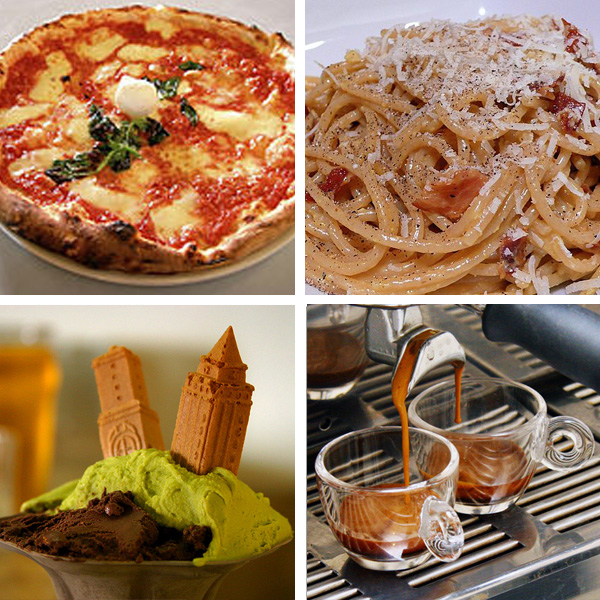
At its heart, Italian cooking is about respecting the ingredient. The foundational principles revolve around simplicity, seasonality, and the judicious use of a few high-quality components. Olive oil, garlic, onions, and herbs like basil, oregano, and rosemary form the aromatic base for countless dishes. Pasta, whether dried or fresh, is a central element, prepared in myriad shapes and sizes to complement specific sauces, from the robust ragù of Bologna to the delicate seafood linguine of the coast. Regionality dictates much of the 'how'; in the North, butter and cream are more prevalent, supporting dishes like risotto and ossobuco. The South, by contrast, leans heavily on olive oil, tomatoes, and vegetables, yielding iconic creations like Neapolitan pizza and dishes featuring eggplant and peppers.
📊 Key Facts & Numbers
Italian cuisine is a global behemoth. The UNESCO recognition in 2025 as intangible cultural heritage signifies its profound cultural value, beyond mere sustenance. Italy is the highest per capita pasta consumer globally, with consumption averaging around 23 kg (50 lbs) per person per year. Italy's annual tomato production is over 6 million metric tons, with the Campania region being a major hub. Italian food exports reached €60 billion in 2023, highlighting its economic might.
👥 Key People & Organizations
While no single individual can claim ownership of Italian cuisine, numerous figures have shaped its perception and evolution. Pellegrino Artusi, whose 1891 cookbook 'La scienza in cucina e l'arte di mangiar bene' (The Science of Cooking and the Art of Eating Well) was instrumental in codifying national recipes, is a pivotal historical figure. More recently, chefs like Massimo Bottura of Osteria Francescana have pushed the boundaries of traditional Italian cooking with innovative approaches, earning him multiple World's 50 Best Restaurants titles. Organizations like the Slow Food movement, founded by Carlo Petrini in 1986, champion biodiversity, traditional methods, and the preservation of regional culinary heritage. The Italian Trade Commission actively promotes Italian food products abroad, supporting producers and restaurateurs.
🌍 Cultural Impact & Influence
The influence of Italian food is immeasurable, permeating cultures far beyond Italy's borders. Dishes like spaghetti carbonara, lasagna, and tiramisu are universally recognized and replicated. American-Italian cuisine, in particular, has developed its own distinct identity, featuring dishes like chicken parmesan and fettuccine alfredo that are less common in Italy itself. This global reach has also led to the proliferation of Italian ingredients and cooking styles in other cuisines, from French to Mexican. The aesthetic of Italian dining – the emphasis on family, conviviality, and the ritual of the meal – has also been widely adopted, influencing dining culture worldwide. The very concept of 'al dente' pasta has become a global culinary standard.
⚡ Current State & Latest Developments
In 2024-2025, the Italian food scene is characterized by a dual focus on tradition and innovation. While classic trattorias and osterias continue to thrive, a new generation of chefs is experimenting with hyper-local sourcing, fermentation, and avant-garde techniques, often drawing inspiration from global culinary trends while remaining rooted in Italian principles. The demand for authentic, high-quality Italian ingredients, from Parmigiano Reggiano to Prosciutto di Parma, remains exceptionally strong, driving export markets. Furthermore, the growing interest in plant-based diets is prompting creative adaptations of traditional dishes, exploring the rich potential of Italian vegetables and legumes. The ongoing debate about what constitutes 'authentic' Italian food continues to evolve with these new developments.
🤔 Controversies & Debates
The definition of 'authentic' Italian food is perhaps the most persistent controversy. What is considered a staple in New York might be an anomaly in Rome. For instance, spaghetti and meatballs as a single dish is largely an American invention, rarely found in Italy. Similarly, the widespread use of cream in pasta sauces, common in American-Italian restaurants, deviates from the traditional oil- or broth-based sauces prevalent in Italy. Debates also arise around the use of specific ingredients out of season or the preparation methods for iconic dishes like carbonara, where the inclusion of cream or pancetta instead of guanciale is often decried by purists. The commercialization and globalization of Italian food also spark discussions about preserving culinary integrity against mass-market adaptations.
🔮 Future Outlook & Predictions
The future of Italian food appears robust, driven by its inherent appeal and adaptability. Expect continued innovation from chefs who blend tradition with contemporary techniques, potentially leading to new UNESCO-recognized regional specialties. The emphasis on sustainability and provenance will likely intensify, with greater consumer demand for traceable ingredients and eco-conscious production methods. We may see a further diversification of Italian cuisine as it integrates more influences from immigrant communities within Italy itself, creating new hybrid culinary forms. The global market for Italian food products is projected to grow by 5-7% annually over the next decade, driven by emerging economies and continued demand in established markets like the US and Europe.
💡 Practical Applications
Italian food's practical applications extend far beyond the dinner plate. It serves as a model for regional culinary identity, influencing how other nations approach and celebrate their own gastronomic heritage. The principles of using fresh, seasonal ingredients and simple preparations are widely adopted in culinary schools worldwide, forming the bedrock of basic cooking techniques. Italian ingredients, from extra virgin olive oil to Balsamic Vinegar of Modena, are staples in kitchens globally, used in everything from salad dressings to marinades. Furthermore, the Italian dining experience itself—the emphasis on shared meals and slow, deliberate eating—has inspired a global movement towards more mindful and communal dining practices, counteracting the trend of fast food.
Key Facts
- Category
- culture
- Type
- topic