
Contents
Overview
The seeds of jazz opera were sown in the early 20th century, as composers began to explore the fusion of African American vernacular music with classical forms. While not strictly opera, George Gershwin's Porgy and Bess (1935) is widely considered a foundational work, incorporating blues, jazz, and spirituals into a dramatic operatic structure. Later, composers like William Grant Still experimented with operatic forms, though often with less overt jazz influence. The post-World War II era saw more direct engagement, with figures like Anthony Braxton incorporating jazz improvisation into his operatic works, challenging traditional notions of fixed composition. The latter half of the 20th century and the early 21st century have witnessed a more robust development, with composers actively seeking to integrate jazz's improvisational freedom and harmonic language into the operatic narrative, often to explore themes of identity, race, and social justice. This evolution reflects a broader trend of genre-blurring in contemporary classical music.
⚙️ How It Works
At its core, jazz opera integrates the distinct elements of its parent genres. Orchestral forces, common in opera, are often augmented or replaced by jazz ensembles featuring instruments like saxophones, trumpets, trombones, piano, bass, and drums. Vocal lines may range from traditional operatic bel canto to more improvisational scat singing and blues-inflected phrasing. The harmonic language draws from both jazz's extended chords and modal explorations and opera's richer harmonic tradition. Rhythmic complexity, a hallmark of jazz, is woven into the dramatic fabric, often contrasting with the more metrically regular passages. Furthermore, the improvisational aspect of jazz is frequently incorporated, allowing for spontaneous musical invention within the operatic structure, a departure from the strictly notated nature of most opera. This creates a dynamic tension between pre-composed drama and live, in-the-moment musical creation.
📊 Key Facts & Numbers
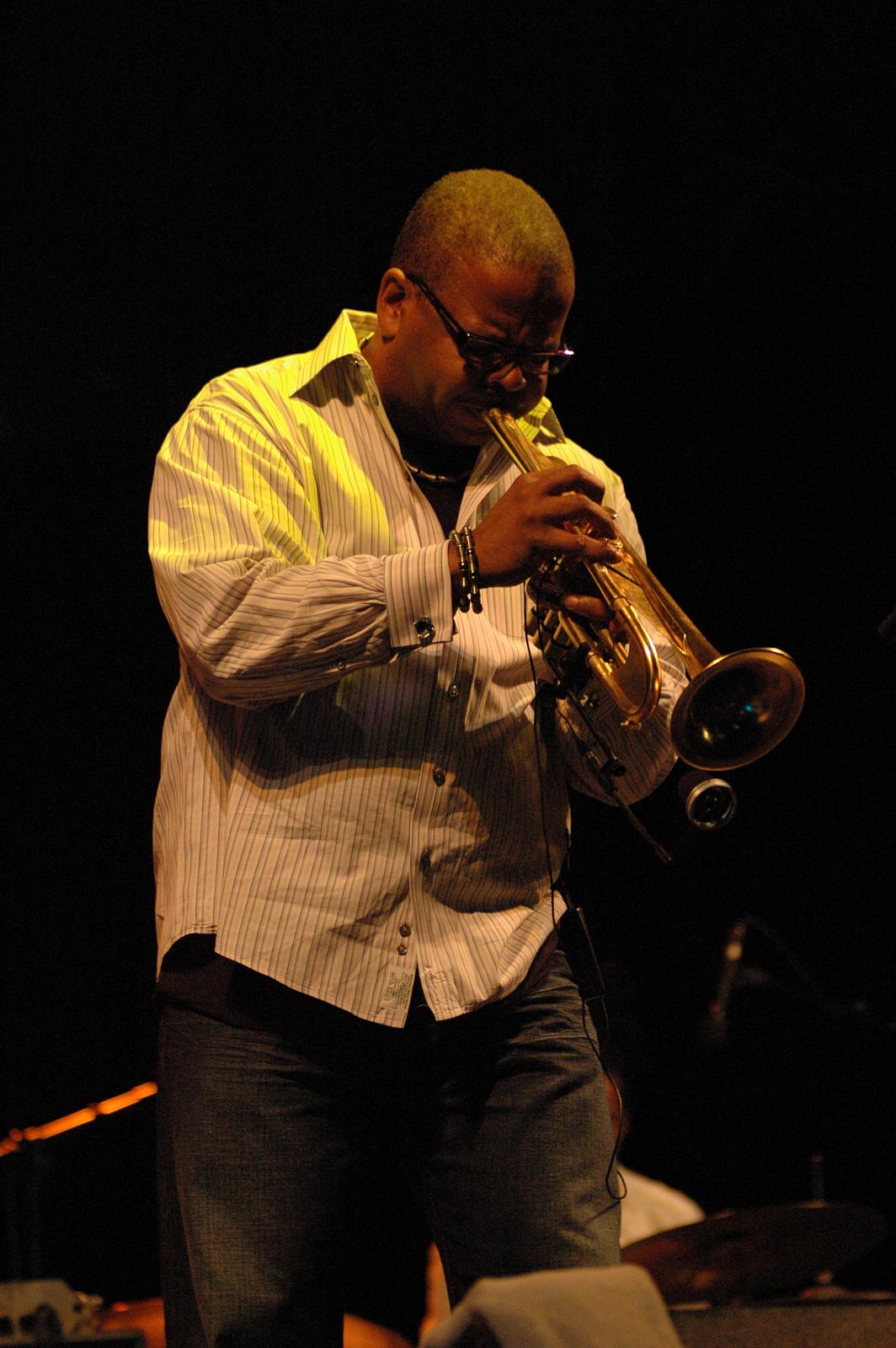
While precise figures for the 'jazz opera' genre are difficult to isolate, its impact can be measured through significant milestones. Porgy and Bess has been performed over 10,000 times worldwide since its premiere in 1935, a testament to its enduring appeal. Terence Blanchard's Fire Shut Up in My Bones made history in 2021 as the first opera by an African American composer staged by the Metropolitan Opera in its 137-year history, selling out its initial run. Blanchard's subsequent opera, Champion, also premiered at the Met in 2023, further solidifying the presence of jazz-infused opera. The genre's reach is global, with performances occurring in major opera houses across North America, Europe, and beyond, attracting diverse audiences often exceeding 2,000 patrons per performance.
👥 Key People & Organizations
Key figures in the development of jazz opera include George Gershwin, whose Porgy and Bess set an early precedent. William Grant Still, often called the 'Dean of Afro-American Composers,' explored operatic forms with influences from jazz and blues. In contemporary times, Terence Blanchard has become a leading voice, with his operas Fire Shut Up in My Bones and Champion achieving significant acclaim at the Metropolitan Opera. Anthony Braxton has also been a significant experimentalist, incorporating improvisation into his operatic works. Organizations like the Metropolitan Opera and the New York City Opera have been crucial venues for staging these works, while institutions like the Thelonious Monk Institute of Jazz have fostered the musicianship required for such cross-genre endeavors.
🌍 Cultural Impact & Influence
Jazz opera has profoundly influenced the perception of both jazz and opera, challenging their perceived boundaries and attracting new audiences to both art forms. It has provided a powerful vehicle for exploring the African American experience, offering narratives and musical expressions that resonate deeply within that cultural context. Works like Porgy and Bess have become cultural touchstones, influencing subsequent generations of composers and performers. The genre's success has also encouraged greater diversity in operatic programming, pushing institutions to stage works by a wider range of composers and to embrace more varied musical styles. This cross-pollination has enriched the contemporary classical music landscape, demonstrating that opera can be a vibrant, evolving art form capable of absorbing and transforming diverse musical traditions.
⚡ Current State & Latest Developments
The current landscape of jazz opera is marked by increasing institutional embrace and continued innovation. Terence Blanchard's ongoing success at the Metropolitan Opera with works like Champion signals a growing acceptance of jazz-infused narratives within major opera houses. Composers are increasingly experimenting with digital technologies and multimedia elements to enhance the operatic experience, blending live jazz ensembles with electronic soundscapes. There's also a growing interest in reviving and reinterpreting earlier works that bridged jazz and opera, bringing them to new audiences. The genre continues to be a fertile ground for exploring contemporary social and political themes, making it a relevant and dynamic force in 21st-century performing arts.
🤔 Controversies & Debates
One of the primary controversies surrounding jazz opera revolves around authenticity and appropriation. Critics sometimes question whether composers from outside the jazz tradition can authentically capture its spirit, or conversely, whether incorporating jazz elements dilutes the operatic form. The debate over Porgy and Bess, initially met with resistance for its portrayal of African American life by a Jewish composer, highlights these tensions. Another point of contention is the perceived accessibility; while jazz opera aims to bridge audiences, the inherent complexity of both genres can still present a barrier for some listeners. Furthermore, discussions arise regarding the balance between adhering to operatic structure and allowing for the improvisational freedom central to jazz, with some arguing that too much adherence to operatic conventions stifles the jazz element, and vice versa.
🔮 Future Outlook & Predictions
The future of jazz opera appears promising, with a clear trajectory toward greater integration and broader acceptance. We can anticipate more collaborations between established opera companies and contemporary jazz musicians and composers, leading to a richer and more diverse repertoire. The development of new technologies will likely enable even more innovative staging and sound design, further blurring the lines between traditional opera and contemporary performance art. There's also potential for jazz opera to explore new thematic territory, moving beyond its historical focus on the African American experience to encompass a wider range of human stories and global perspectives. The continued success of composers like Terence Blanchard suggests that jazz opera is not a fleeting trend but a vital and evolving art form with a lasting legacy.
💡 Practical Applications
Jazz opera finds practical application not only on the stage but also in educational settings and as a tool for cultural dialogue. Operas like Porgy and Bess are frequently studied in music history and literature courses, offering insights into American cultural history and musical innovation. The genre serves as a bridge for audiences who may be more familiar with jazz or opera individually, introducing them to the richness of the other. Furthermore, jazz opera can be used to explore complex social issues, providing a dramatic and emotionally resonant platform for discussion. Its ability to synthesize diverse musical languag
Key Facts
- Category
- culture
- Type
- topic