
Contents
- 🏰 Introduction to the Merry Monarch
- 👑 Early Life and Exile
- 📆 Restoration and Coronation
- 🕊️ Religious Tolerance and the Royal Declaration
- 💃 Theaters and Entertainment
- 🚣♂️ Naval Power and Foreign Policy
- 📊 Economic Growth and the Royal Revenue
- 🏛️ Architecture and Urban Development
- 👫 Personal Life and Scandals
- 💔 The Exclusion Crisis and the Popish Plot
- 👑 Legacy and Death
- Frequently Asked Questions
- Related Topics
Overview
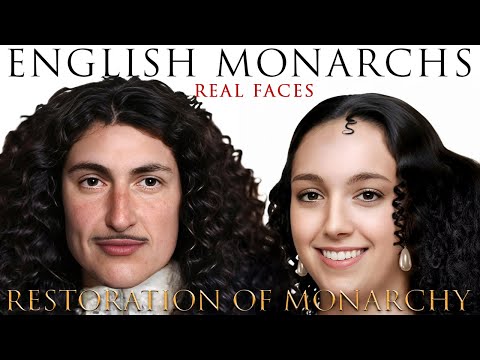
King Charles II, who ruled England, Scotland, and Ireland from 1660 to 1685, is widely regarded as one of the most fascinating and complex figures in British history. With a vibe score of 8, his reign was marked by the Great Fire of London, the Great Plague, and the English Civil War. Charles II's relationships with women, including his wife Catherine of Braganza and his numerous mistresses, were the subject of much controversy and debate. The king's reign also saw significant scientific and cultural advancements, including the establishment of the Royal Society and the emergence of notable figures such as Isaac Newton and Christopher Wren. Despite his many accomplishments, Charles II's reign was not without its challenges, including the Popish Plot and the Exclusion Crisis, which threatened the stability of the monarchy. As the British monarchy continues to evolve, King Charles II's legacy remains a topic of interest and debate among historians and scholars, with many regarding him as a masterful politician who navigated the treacherous waters of 17th-century politics with ease and charm.
🏰 Introduction to the Merry Monarch
King Charles II, also known as the Merry Monarch, was a King of England, Scotland, and Ireland who ruled from 1660 to 1685. He is remembered for his Restoration period, which saw the reopening of theaters and the revival of the arts. Charles II was known for his love of entertainment, particularly theater and music. He was also a patron of the Royal Society, which was dedicated to the advancement of science. The Merry Monarch's reign was marked by significant events, including the Great Fire of London and the Plague. Despite these challenges, Charles II remained a popular figure, known for his charisma and his ability to connect with his subjects.
👑 Early Life and Exile
Charles II was born on May 29, 1630, to King Charles I and Henrietta Maria. He was the eldest son of the king and was Prince of Wales from birth. After the English Civil War, Charles II was forced into exile, where he spent several years in France and Netherlands. During this time, he developed a strong appreciation for the arts and culture of these countries, which would later influence his reign as king. Charles II's experiences in exile also shaped his views on politics and religion, particularly his commitment to Anglicanism. He was restored to the throne in 1660, following the death of Oliver Cromwell.
📆 Restoration and Coronation
The Restoration period was a time of great change and upheaval in England. Charles II was crowned king on April 23, 1661, in a ceremony that marked the beginning of a new era. The king's coronation was followed by a period of reconciliation, during which he sought to heal the wounds of the English Civil War. Charles II also established a new government, which included the Council and the Parliament. He worked closely with his advisors, including Edward Hyde and Thomas Clarendon, to shape the country's foreign policy and economic policy. The king's relationships with his advisors were complex and often contentious, reflecting the challenges of rebuilding a nation after a devastating conflict.
🕊️ Religious Tolerance and the Royal Declaration
One of the most significant achievements of Charles II's reign was his commitment to religious tolerance. In 1662, he issued the Royal Declaration, which granted freedom of worship to Protestants and Catholics. This move was seen as a major step forward for human rights and helped to establish England as a beacon of tolerance in Europe. The Royal Declaration also reflected the king's own Anglicanism, which emphasized the importance of compromise and coexistence between different religious groups. Charles II's commitment to religious tolerance was not without its challenges, however, as he faced opposition from Puritans and other Protestant groups who sought to restrict the rights of Catholics.
💃 Theaters and Entertainment
Theaters and entertainment played a major role in the life of Charles II. He was a patron of the theater and encouraged the development of drama and music. The king's love of entertainment was reflected in the construction of new theaters, including the Theatre Royal in London. Charles II also supported the work of William Shakespeare and other playwrights, who helped to establish English theater as a major force in European culture. The king's relationships with actors and actresses were often close and personal, reflecting his appreciation for their talents and his desire to promote the arts.
📊 Economic Growth and the Royal Revenue
The reign of Charles II saw significant economic growth in England. The king encouraged the development of trade and commerce, and established a number of new companies to promote English interests abroad. The royal revenue increased significantly during this period, allowing Charles II to invest in a range of infrastructure projects, including the construction of new roads and canals. The king's commitment to economic growth reflected his desire to promote the prosperity of his subjects and to establish England as a major economic power in Europe. However, the king's economic policies were not without their challenges, as he faced opposition from Parliament and other groups who sought to restrict his power to raise taxes.
🏛️ Architecture and Urban Development
The reign of Charles II also saw significant developments in architecture and urban development. The king encouraged the construction of new buildings, including the St. Paul's Cathedral in London. He also established a number of new parks and gardens, which helped to beautify the city and provide recreational spaces for his subjects. The king's relationships with architects and builders were often close and personal, reflecting his appreciation for their skills and his desire to promote the arts. However, the king's architectural projects were not without their challenges, as he faced opposition from Parliament and other groups who sought to restrict his power to raise funds for these projects.
👫 Personal Life and Scandals
Charles II's personal life was marked by a number of scandals and controversies. He had numerous mistresses, including Nell Gwynn and Louise de Kérouaille. The king's relationships with these women were often tumultuous and reflected his desire for pleasure and entertainment. However, the king's personal life was not without its challenges, as he faced opposition from Parliament and other groups who sought to restrict his power to pursue his personal interests. The king's relationships with his wives, including Catherine of Braganza, were also complex and often contentious, reflecting the challenges of maintaining a stable and happy marriage.
💔 The Exclusion Crisis and the Popish Plot
The Exclusion Crisis was a major challenge faced by Charles II during his reign. The crisis began in 1679, when a group of parliamentarians sought to exclude the king's brother, James II, from the throne due to his Catholicism. The crisis reflected the deep-seated fears and prejudices of the English people, who were concerned about the potential for Catholic influence in the country. The king's relationships with his brother and other Catholics were complex and often contentious, reflecting the challenges of maintaining a balance of power in a rapidly changing world. The Exclusion Crisis ultimately ended in failure, as Charles II was able to maintain his brother's right to the throne.
👑 Legacy and Death
The Popish Plot was a major conspiracy that took place during the reign of Charles II. The plot was uncovered in 1678 and involved a group of Catholics who sought to assassinate the king and replace him with a Catholic monarch. The plot reflected the deep-seated fears and prejudices of the English people, who were concerned about the potential for Catholic influence in the country. The king's relationships with Catholics and other minority groups were complex and often contentious, reflecting the challenges of maintaining a balance of power in a rapidly changing world. The Popish Plot ultimately ended in failure, as the conspirators were caught and executed for their crimes.
Key Facts
- Year
- 1660
- Origin
- England
- Category
- History
- Type
- Historical Figure
Frequently Asked Questions
Who was King Charles II?
King Charles II was a King of England, Scotland, and Ireland who ruled from 1660 to 1685. He is remembered for his Restoration period, which saw the reopening of theaters and the revival of the arts. Charles II was known for his love of entertainment, particularly theater and music.
What was the Restoration period?
The Restoration period was a time of great change and upheaval in England. It began in 1660, when Charles II was restored to the throne, and ended in 1685, when he died. During this period, the king encouraged the development of trade and commerce, and established a number of new companies to promote English interests abroad.
Who was Nell Gwynn?
What was the Exclusion Crisis?
The Exclusion Crisis was a major challenge faced by Charles II during his reign. The crisis began in 1679, when a group of parliamentarians sought to exclude the king's brother, James II, from the throne due to his Catholicism. The crisis reflected the deep-seated fears and prejudices of the English people, who were concerned about the potential for Catholic influence in the country.
What was the Popish Plot?
The Popish Plot was a major conspiracy that took place during the reign of Charles II. The plot was uncovered in 1678 and involved a group of Catholics who sought to assassinate the king and replace him with a Catholic monarch. The plot reflected the deep-seated fears and prejudices of the English people, who were concerned about the potential for Catholic influence in the country.