
Contents
Overview
The study of marine mammal communication has roots stretching back to early observations of animal behavior. John C. Lilly worked with bottlenose dolphins in the 1950s and 60s, though controversial for his methods and conclusions, brought public attention to the possibility of complex dolphin communication, famously working with bottlenose dolphins like Kiko. His work, while often sensationalized, spurred more rigorous scientific inquiry. The development of hydrophones and later, sophisticated digital recording and analysis tools, allowed scientists to move beyond simple observation to detailed spectrographic analysis, unlocking the nuances of these underwater soundscapes. This historical trajectory shows a clear progression from anecdotal curiosity to rigorous scientific discipline, driven by technological advancement and a growing appreciation for the complexity of marine life.
⚙️ How It Works
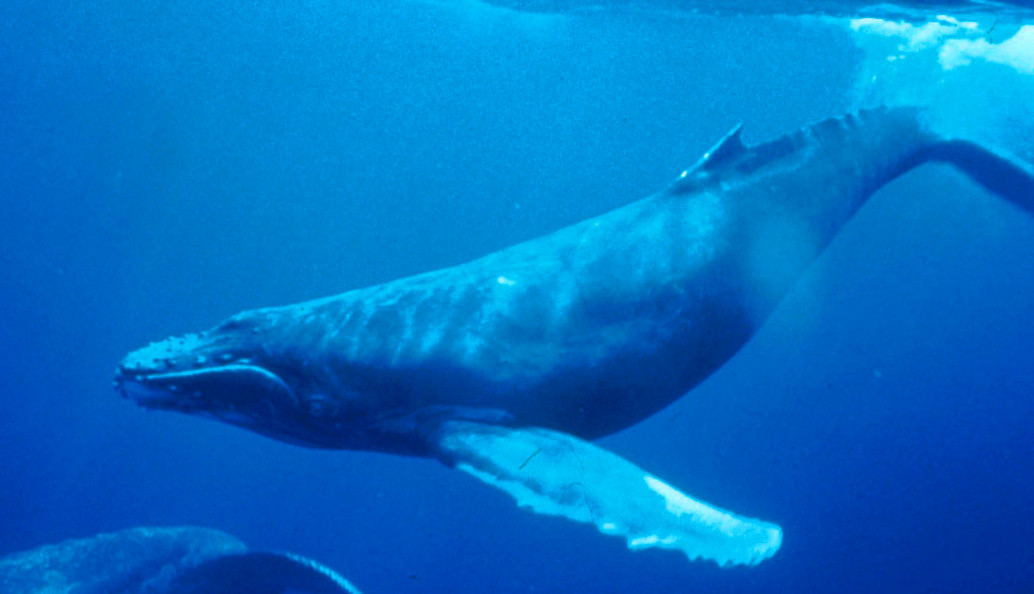
Marine mammal communication relies on a diverse array of signals, primarily acoustic, but also visual and tactile. Cetaceans, particularly toothed whales like bottlenose dolphins, produce broadband clicks for echolocation, essential for navigating, foraging, and sensing their environment, and whistles for social communication, often developing signature whistles unique to individuals. Baleen whales, such as humpback whales, produce complex, patterned songs, produced by males during the breeding season, which can evolve over time and across populations. Pinnipeds, like California sea lions, use barks, growls, and roars for territorial defense and social interactions, often accompanied by visual displays. Sirenians, like manatees, employ softer whistles and chirps. Tactile communication, including rubbing and touching, and visual cues like body posture and fin movements, also play significant roles, especially in close-range social contexts. The engineering behind these sound productions involves specialized air sacs, nasal passages, and melon structures in toothed whales, and complex laryngeal mechanisms in baleen whales, all finely tuned for efficient sound transmission in water.
📊 Key Facts & Numbers
The acoustic world of marine mammals is astonishingly rich. Orcas have distinct dialects, with different pods using unique sets of calls, akin to human languages, with some dialects having diverged significantly over just a few decades. For instance, blue whale calls have been detected over 1,600 kilometers (1,000 miles) away. The sheer volume of acoustic data collected annually by researchers worldwide now exceeds petabytes, highlighting the scale of ongoing research.
👥 Key People & Organizations
Pioneering figures have shaped our understanding of marine mammal communication. Roger Payne, alongside Scott McMillen Payne, was instrumental in recording and popularizing whale songs, particularly those of the humpback whale, through albums like 'Songs of the Humpback Whale' released in 1970, which sold over three million copies and ignited public interest. John C. Lilly's early, albeit controversial, work with bottlenose dolphins in the 1960s, including his famous experiments with the dolphin Kiko, pushed the boundaries of interspecies communication research. More contemporary researchers like Christopher Clark, a leading bioacoustician, have extensively studied whale vocalizations and the impact of anthropogenic noise. Organizations such as the Woods Hole Oceanographic Institution (WHOI) and the Marine Mammal Commission are at the forefront of research, employing advanced technologies and collaborating globally to decipher these complex communication systems.
🌍 Cultural Impact & Influence
The cultural resonance of marine mammal communication is profound, largely driven by the mystique of the ocean and its inhabitants. The haunting melodies of whale songs, popularized by Roger Payne's 1970 album, have inspired countless musicians, artists, and filmmakers, embedding these sounds into the global consciousness. Documentaries like Blue Planet have showcased the intelligence and social complexity of marine mammals, often highlighting their communication as a key element of their lives. The idea of 'talking to dolphins', popularized by John C. Lilly, has permeated popular culture, appearing in films and literature, often portraying these animals as possessing human-like sentience. This cultural fascination has translated into increased public support for marine conservation efforts, with many people feeling a personal connection to these vocal creatures, viewing their communication as a window into a hidden, intelligent world.
⚡ Current State & Latest Developments
Current research is rapidly advancing our understanding, particularly with the deployment of sophisticated acoustic monitoring arrays and machine learning algorithms. Projects like the Ocean Soundscape Project are using networks of hydrophones to track marine mammal movements and vocal activity across vast ocean regions in near real-time. Advances in artificial intelligence are now being applied to analyze the massive datasets generated, helping to identify individual vocalizations, classify species, and even detect subtle changes in communication patterns that might indicate stress or environmental shifts. Recent studies in 2023 and 2024 have focused on deciphering the function of specific call types in species like sperm whales and understanding the impact of ship noise on communication masking, with researchers at institutions like the Scripps Institution of Oceanography developing new models to predict noise impacts.
🤔 Controversies & Debates
One of the most significant controversies surrounds the interpretation of marine mammal vocalizations. Early work by John C. Lilly suggested that dolphins possessed language comparable to humans, a claim widely disputed by mainstream science due to a lack of rigorous evidence and methodological flaws. The debate continues regarding the complexity and intentionality of marine mammal 'language' versus sophisticated signaling systems. Another major point of contention is the impact of anthropogenic noise. While it's widely accepted that noise pollution from shipping, sonar, and seismic surveys can mask or disrupt marine mammal communication, the precise thresholds for significant harm and the long-term ecological consequences are still subjects of intense research and debate among scientists and policymakers. The ethical implications of attempting to communicate with marine mammals also remain a point of discussion, particularly concerning potential unintended consequences or misinterpretations.
🔮 Future Outlook & Predictions
The future of marine mammal communication research is poised for significant breakthroughs, driven by technological innovation and a growing understanding of the challenges. Expect to see more widespread use of autonomous underwater vehicles (AUVs) equipped with advanced acoustic sensors, enabling continuous monitoring of remote and deep-sea environments. The application of deep learning and machine learning will become even more sophisticated, moving
Key Facts
- Category
- nature
- Type
- topic