
Contents
Overview
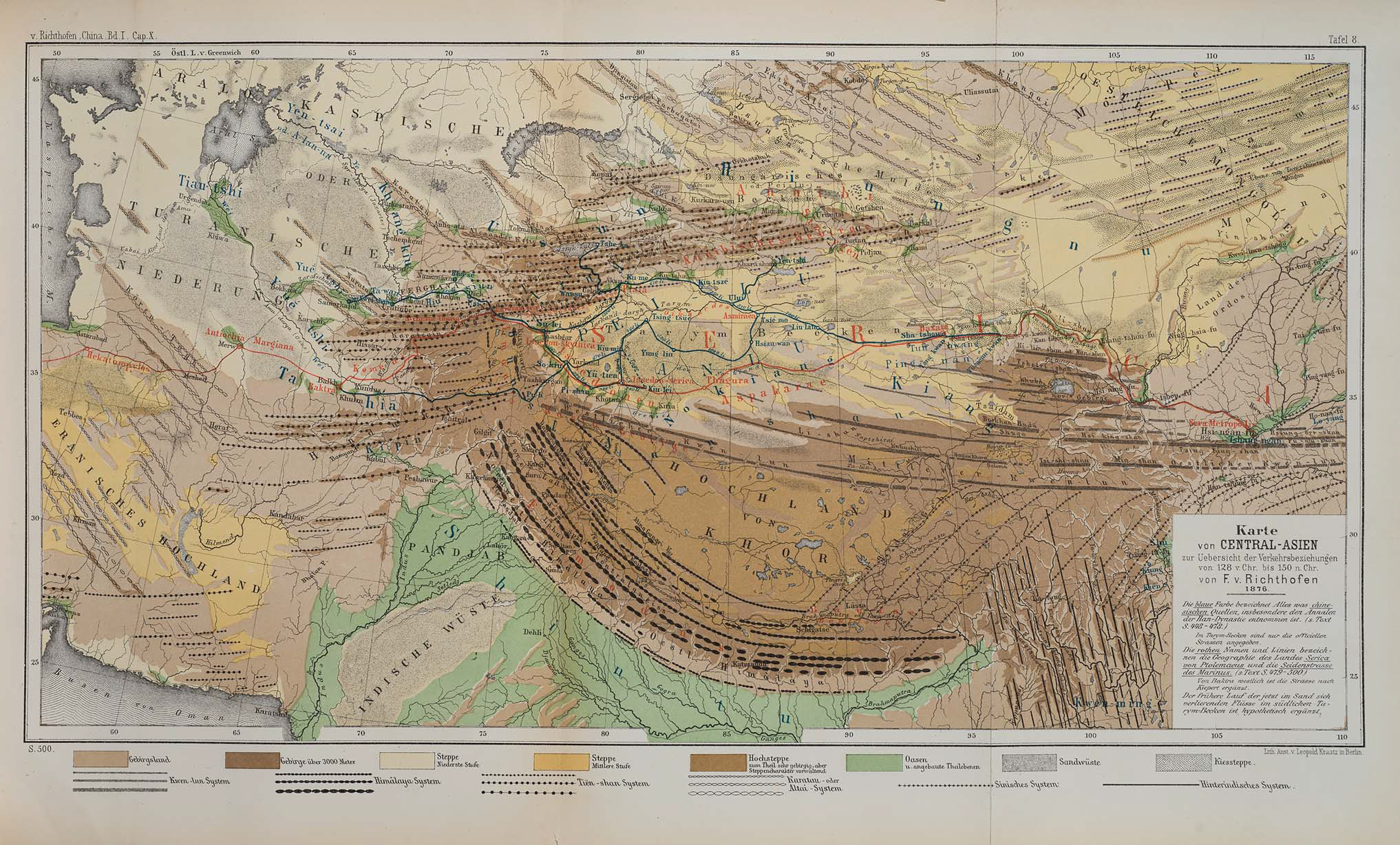
The genesis of maritime trade routes stretches back to antiquity. Early Phoenician, Greek, and Roman mariners navigated established routes connecting ports across the Mediterranean and Black Seas, trading commodities like grain, wine, olive oil, and metals. The Silk Road, while primarily land-based, also had maritime extensions, particularly through the Indian Ocean, connecting East Asia with the Middle East and Europe. During the Middle Ages, the Venetian and Genoese republics dominated Mediterranean trade, controlling routes to the Levant and Northern Europe via the Hanseatic League. The Age of Discovery, beginning in the 15th century with voyages by figures like Vasco da Gama and Christopher Columbus, fundamentally reshaped global maritime trade, opening new routes around Africa to Asia and across the Atlantic, leading to the establishment of vast colonial empires and the infamous Triangular Trade system. The 19th and 20th centuries saw further evolution with the opening of canals like the Suez Canal (1869) and the Panama Canal (1914), dramatically shortening transit times and further integrating global markets.
⚙️ How It Works
Maritime trade routes function as complex logistical networks, defined by navigable waterways, established shipping lanes, and strategically located ports. Vessels, ranging from massive container ships to specialized tankers, follow predetermined courses, often dictated by depth, currents, weather patterns, and geopolitical considerations. These routes are not static; they adapt to technological advancements, such as larger ship sizes and improved navigation systems like GPS, as well as economic shifts and the opening or closing of artificial waterways. Ports serve as critical nodes, facilitating the loading and unloading of cargo, customs clearance, and refueling. The efficiency of these routes is paramount, with global shipping organizations and national maritime authorities working to maintain safety, manage traffic, and ensure the smooth flow of goods, often coordinating through international bodies like the International Maritime Organization (IMO).
📊 Key Facts & Numbers
The sheer scale of modern maritime trade is breathtaking. The busiest container port globally is Singapore, handling over 37 million TEUs annually. The Strait of Malacca, a critical chokepoint, sees approximately 40% of world trade pass through it, including a significant portion of global oil shipments. The Suez Canal facilitates around 12% of global trade, with over 23,000 vessels transiting in 2023, generating an estimated $10 billion in revenue for Egypt. The global shipping industry is valued at over $1 trillion annually, employing millions worldwide.
👥 Key People & Organizations
Key figures and organizations have profoundly shaped maritime trade. Early explorers like Ferdinand Magellan charted new global routes, while industrialists like Cornelius Vanderbilt built vast shipping empires in the 19th century. Modern figures like Malcolm McLean, the inventor of the containerization system, revolutionized cargo handling. Major shipping companies such as Maersk, CMA CGM, and COSCO Shipping Holdings are giants in the industry, controlling vast fleets and influencing global logistics. International bodies like the IMO set safety and environmental standards, while organizations like the World Trade Organization (WTO) influence trade policies that impact shipping. Port authorities, such as the Port Authority of New York and New Jersey, manage critical infrastructure.
🌍 Cultural Impact & Influence
Maritime trade routes are not merely conduits for goods; they are vectors of cultural exchange, technological diffusion, and geopolitical power. The Silk Road, both land and sea, facilitated the spread of religions, ideas, and technologies between East and West for centuries. European colonial expansion was inextricably linked to the establishment of maritime routes, leading to the imposition of new languages, political systems, and economic structures across vast territories. The modern globalized economy, with its interconnected supply chains and the ubiquitous presence of goods from around the world, is a direct product of efficient maritime trade. The cultural resonance of seafaring is evident in literature, art, and music, from ancient epics to contemporary films, reflecting humanity's enduring fascination with the sea and its capacity to connect distant peoples.
⚡ Current State & Latest Developments
The current state of maritime trade is characterized by increasing vessel sizes, a focus on decarbonization, and ongoing geopolitical shifts. The development of ultra-large container vessels (ULCVs) continues, pushing the boundaries of port infrastructure and canal capacity. The industry is under immense pressure to reduce its carbon footprint, with the IMO setting ambitious targets for greenhouse gas emissions reduction, driving innovation in alternative fuels like LNG, methanol, and ammonia. Geopolitical tensions, such as the conflicts in the Red Sea and the ongoing impacts of the war in Ukraine, have disrupted traditional routes and forced rerouting, highlighting the vulnerability of global supply chains. The digitalization of shipping, including the use of AI and blockchain for tracking and efficiency, is also rapidly advancing.
🤔 Controversies & Debates
The most significant controversies surrounding maritime trade routes revolve around environmental impact and geopolitical control. Shipping accounts for approximately 3% of global greenhouse gas emissions, and debates rage over the pace and feasibility of decarbonization targets, with some critics arguing that the IMO is not acting aggressively enough. Ballast water discharge from ships is a major vector for invasive species, posing ecological threats to marine environments worldwide. Furthermore, control over critical chokepoints like the Suez Canal, the Panama Canal, and the Strait of Hormuz is a constant source of geopolitical tension, with nations vying for influence and security. Labor conditions for seafarers also remain a persistent concern, with issues of crew welfare, piracy, and fair wages frequently debated.
🔮 Future Outlook & Predictions
The future of maritime trade routes is likely to be shaped by continued technological innovation and evolving geopolitical landscapes. The push for net-zero emissions will accelerate the adoption of alternative fuels and propulsion systems, potentially leading to new vessel designs and operational protocols. Autonomous shipping, while still in its nascent stages, could fundamentally alter crewing requirements and operational efficiencies. The impact of climate change, including rising sea levels and altered weather patterns, may necessitate the rerouting of some existing lanes or the development of new Arctic shipping routes as ice recedes. Geopolitically, the ongoing competition between major powers and the potential for further disruptions will continue to influence trade flow patterns, potentially leading to greater regionalization of supply chains. The development of smart ports and integrated digital platforms will further enhance efficiency and transparency.
💡 Practical Applications
Maritime trade routes are fundamental to numerous practical applications. They are the primary means for transporting raw materials like crude oil, iron ore, and coal to industrial centers. They enable the global distribution of manufactured goods, from automobiles and electronics to clothing and food products. The efficient movement of goods via these routes directly impacts consumer prices and the availability of products worldwide. Furthermore, maritime routes are essential for military logistics, enabling the deployment of forces and resources across oceans. They also support industries li
Key Facts
- Category
- history
- Type
- topic