
Contents
Overview
The story of masonry begins not with a single invention, but with humanity's earliest attempts to stack and bind materials for shelter and defense. Evidence suggests rudimentary stone construction dates back to at least the Neolithic period. Ancient Mesopotamia mastered the use of sun-dried and later kiln-fired bricks, employing bitumen and lime mortar for structures like the ziggurats of Ur. The Ancient Egyptians utilized precisely cut limestone blocks and gypsum mortar. The Greeks refined ashlar masonry, employing finely dressed stone blocks with minimal mortar. Roman engineers revolutionized masonry with their development of hydraulic concrete, enabling the construction of vast structures like the Pantheon and extensive aqueducts across their empire, demonstrating an unparalleled understanding of structural integrity and material science. The fall of Rome saw a decline in large-scale masonry, but the craft persisted in fortifications and churches, eventually re-emerging with spectacular force during the Gothic period.
⚙️ How It Works
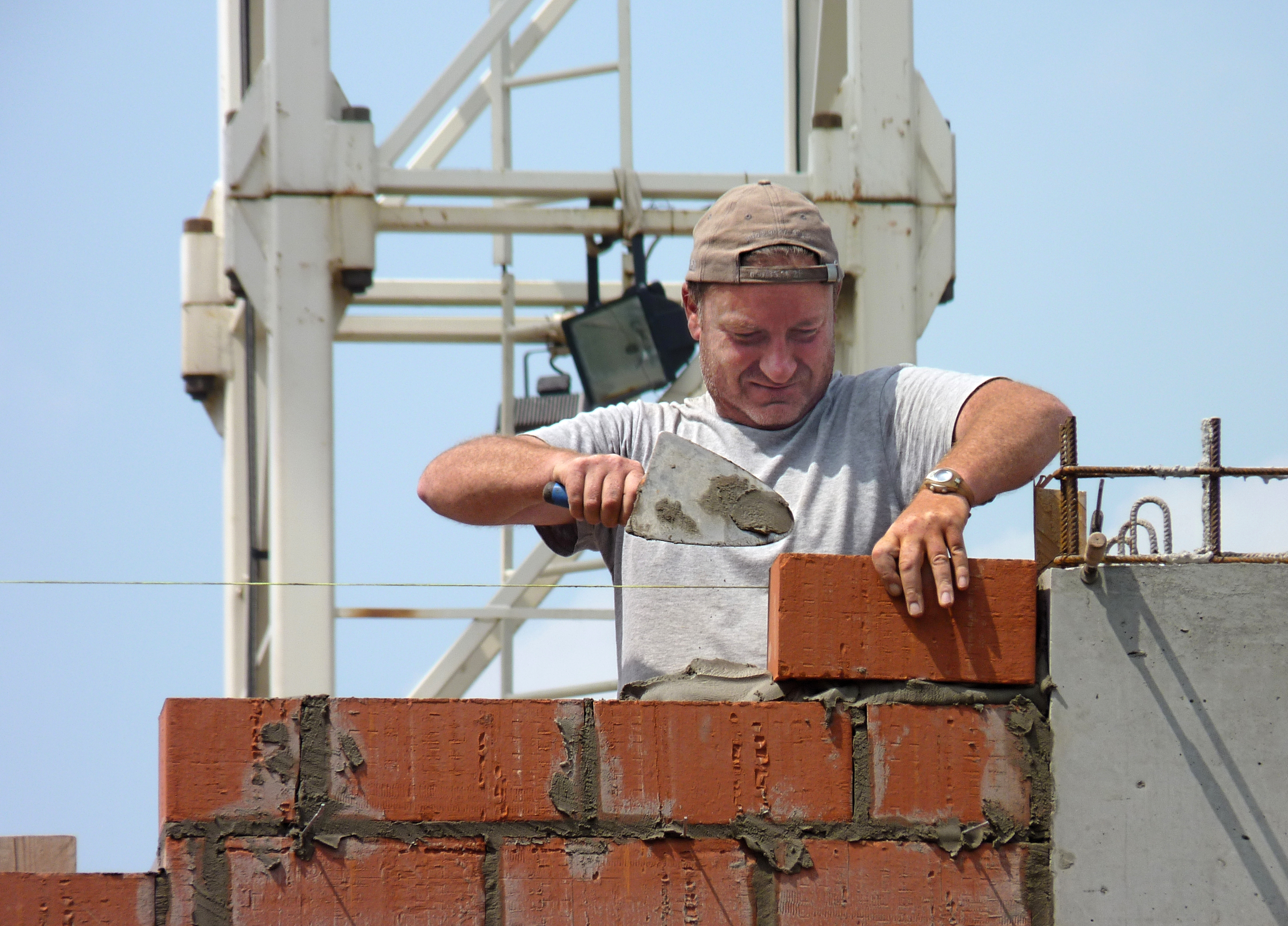
At its core, masonry is the art and science of assembling individual units—stones, bricks, blocks—into a cohesive, load-bearing structure using a binding agent, typically mortar. The process begins with material selection: stones are quarried and cut to shape, while bricks are molded from clay and fired. Mortar, historically a mix of lime, sand, and water, and now often cement-based, acts as both a lubricant during laying and a hardened adhesive once cured, filling voids and distributing loads evenly. The mason's skill lies in precise unit placement, ensuring level courses and plumb walls, often using tools like trowels, levels, and plumb bobs. Different bonding patterns—such as the English bond, Flemish bond, and stretcher bond—are employed not just for aesthetic appeal but to interlock units, enhance structural stability, and distribute stresses across the wall. Advanced masonry can incorporate reinforcement bars (rebar) within cavities or joints, significantly increasing tensile strength and seismic resistance, a technique crucial for modern high-rise construction.
📊 Key Facts & Numbers
The scale of masonry construction is staggering. The Great Wall of China, a monumental feat of masonry, stretches over 21,196 kilometers (13,171 miles) and contains an estimated 3.8 billion cubic meters of material. The Burj Khalifa, the world's tallest building at 828 meters (2,717 feet), utilizes a reinforced concrete core and foundation, but its sheer mass and stability rely on the principles of masonry engineering. In the United States alone, the masonry industry generates over $40 billion in annual revenue, employing hundreds of thousands of skilled tradespeople.
👥 Key People & Organizations
While masonry is a craft practiced by countless individuals, certain figures and organizations stand out. The ancient Roman architect Vitruvius, whose treatise 'De Architectura' (circa 25 BCE) detailed construction techniques and material properties, profoundly influenced Western building practices for centuries. During the Middle Ages, master masons, often organized into guilds like the Freemasons (though their modern form is distinct from medieval craft guilds), were responsible for designing and overseeing the construction of magnificent cathedrals. In the modern era, organizations like the Brick Industry Association (BIA) and the Masonry Institute of America (MIA) play crucial roles in promoting masonry, developing standards, and providing technical support. Architects like Antoni Gaudí pushed the boundaries of what was thought possible with stone and tile, as seen in Barcelona's Sagrada Familia.
🌍 Cultural Impact & Influence
Masonry's influence extends far beyond mere construction; it has shaped landscapes, cultures, and even spiritual practices. The enduring nature of stone and brick structures has provided humanity with a tangible link to its past, from ancient Roman forums to medieval castles. The aesthetic qualities of masonry—its textures, colors, and the patterns of its bonds—have inspired countless artistic movements and architectural styles, from the rustic charm of vernacular buildings to the imposing grandeur of classical edifices. The very concept of permanence and stability is often associated with masonry, influencing our psychological relationship with built environments. Furthermore, the development of masonry techniques has often been intertwined with technological and social progress, requiring organized labor, sophisticated logistics, and advancements in quarrying and material processing, as seen in the construction of transcontinental railroads and early industrial factories.
⚡ Current State & Latest Developments
Masonry remains a significant force in global construction, particularly in residential and commercial building. The industry is increasingly focused on sustainability, with innovations in energy-efficient wall systems, recycled materials, and low-carbon mortars. Prefabricated masonry panels, manufactured off-site under controlled conditions, are gaining traction, offering faster construction times and improved quality control. Digital technologies are also making inroads, with Building Information Modeling (BIM) software being used for design and planning, and robotic systems being piloted for bricklaying, aiming to address labor shortages and improve efficiency. The development of advanced composite materials and self-healing mortars also points towards a future where masonry structures are even more durable and resilient, capable of withstanding extreme environmental conditions and seismic events. The International Masonry Institute continues to advocate for skilled labor training, ensuring the craft's future.
🤔 Controversies & Debates
Despite its long history and widespread use, masonry is not without its controversies and debates. A significant ongoing discussion revolves around labor. The demanding physical nature of the work, coupled with an aging workforce and a perceived lack of interest from younger generations, has led to persistent skilled labor shortages in many regions, impacting project timelines and costs. Another point of contention is the environmental impact. While often lauded for durability, the production of cement, a key component in modern mortars, is a significant source of carbon emissions. Debates also arise regarding the effectiveness and cost-benefit of seismic retrofitting for older masonry structures, particularly in earthquake-prone zones like California. Furthermore, the aesthetic debate between traditional masonry and modern materials like glass and steel continues to shape urban landscapes, with some lamenting the perceived loss of character in contemporary architecture.
🔮 Future Outlook & Predictions
The future of masonry appears to be a dynamic blend of tradition and innovation. Expect to see a greater integration of smart technologies, embedding sensors within masonry walls to monitor structural health, temperature, and humidity. The push for sustainability will likely drive the development and adoption of novel, low-carbon binders and recycled aggregate materials. Advanced robotics and automation will probably become more commonplace, not to replace human masons entirely, but to augment their capabilities, handle repetitive tasks, and improve precision. The concept of 'masonry-as-a-service' might emerge, where specialized firms offer integrated design, fabrication, and installation of masonry systems. Furthermore, as climate change intensifies, the inherent resilience and thermal mass of mason
Key Facts
- Category
- history
- Type
- topic