
Contents
Overview
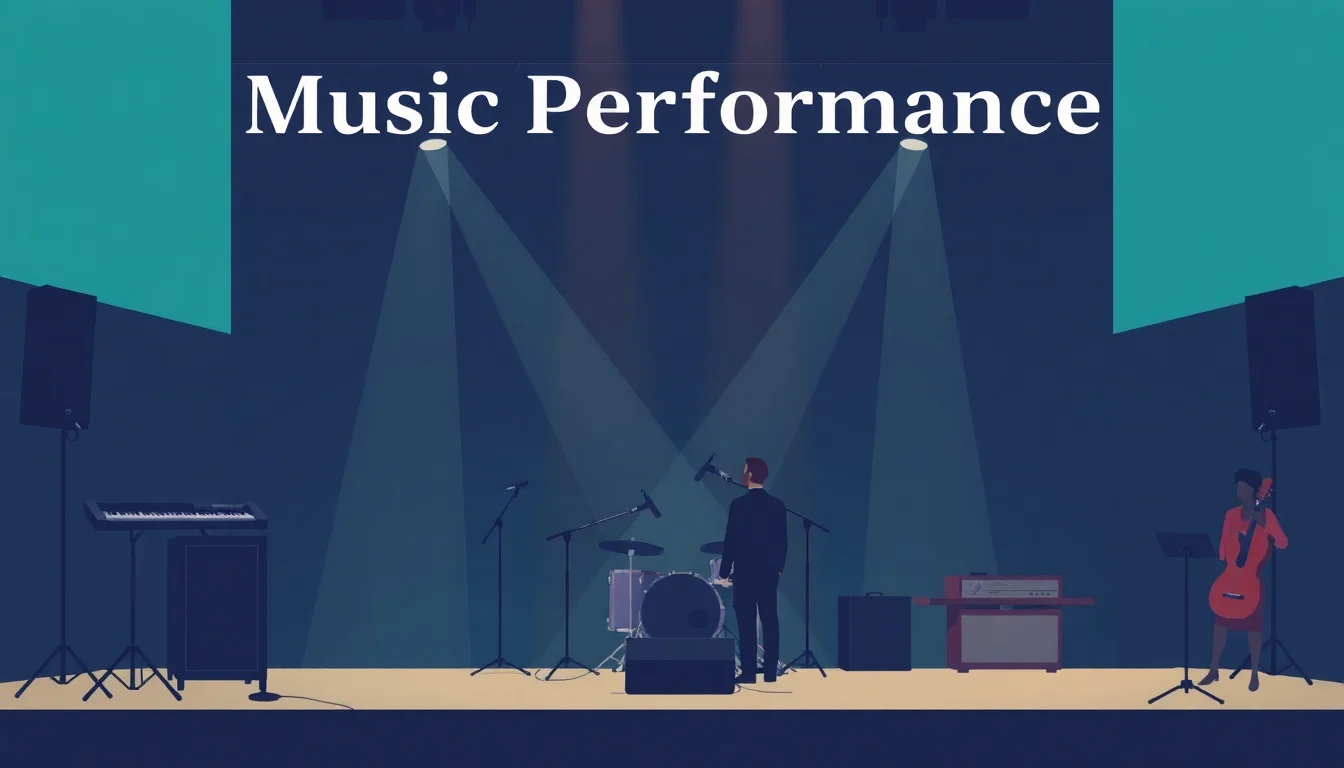
Music performance is the act of bringing a musical composition to life through sound, interpretation, and often, visual presentation. It's where the static notes on a page or the raw ideas of improvisation gain a pulse, a breath, and an emotional weight that resonates with an audience. From the intimate setting of a jazz club to the colossal scale of a stadium rock concert, performance transforms music from a solitary act of creation into a shared, communal experience. It encompasses everything from the meticulous precision of a classical orchestra to the raw energy of a punk rock gig. Understanding the nuances of performance is key to appreciating the full spectrum of musical artistry.
📍 Where to Experience Live Music
Experiencing live music is a global phenomenon, with venues ranging from iconic concert halls like Carnegie Hall in New York to underground clubs in Berlin. Consider the vibrant New Orleans jazz scene, the legendary Abbey Road Studios in London for intimate sessions, or the open-air festivals scattered across continents. For spontaneous encounters, explore street performance hubs in cities like Barcelona or Edinburgh. The choice of venue profoundly impacts the performance's atmosphere, from the acoustics of a grand opera house to the raw energy of a dive bar.
💰 Ticket Prices & Value
Ticket prices for music performances can vary wildly, from free busking performances to thousands of dollars for exclusive VIP experiences at major festivals like Coachella. A general admission ticket to a local band might cost $10-$20, while a seat at a major symphony orchestra can range from $50-$200. Premium seats for global superstars can easily exceed $500, with some resale markets pushing prices into the thousands. The perceived value often hinges on the artist's stature, the venue's prestige, and the overall production quality, including sound, lighting, and stage design.
⭐ Vibe Scores & Audience Experience
Vibe scores for music performances are highly subjective, but generally, they reflect the collective energy and emotional connection between performers and audience. A high Vibe score (80+) often indicates a palpable sense of shared excitement, exceptional musicianship, and a memorable atmosphere. Conversely, a low score might point to poor sound quality, disengaged performers, or an uninspired audience. For instance, a legendary Bob Dylan concert might score high for its historical significance and raw artistry, while a technically perfect but emotionally sterile performance by a lesser-known ensemble might receive a lower Vibe score.
🎭 Types of Performances
The spectrum of music performance is vast. A recital typically focuses on a single performer or instrument, showcasing technical mastery and interpretive depth, often in classical music. A concert is a broader term, usually involving an ensemble or multiple artists. Musical improvisation is a spontaneous creation of music during a performance, a hallmark of genres like jazz and blues. Network musical performance represents a cutting-edge frontier, allowing musicians to collaborate in real-time across digital networks, bridging geographical divides.
💡 Key Elements of a Great Performance
A truly compelling music performance hinges on several factors. Musical technique is foundational, demonstrating the performer's command of their instrument or voice. Musical phrasing shapes the melodic and rhythmic contours, imbuing the music with emotion and narrative. Stage presence, the performer's ability to connect with the audience visually and energetically, is crucial. Furthermore, the quality of the sound system and the lighting design significantly contribute to the overall impact, transforming a simple rendition into an immersive spectacle.
🤔 Debates in Music Performance
The debate around authenticity in music performance is perennial. Is a technically flawless but emotionally detached performance superior to a raw, imperfect rendition brimming with passion? The rise of auto-tune and digital manipulation has fueled discussions about the integrity of live vocals. Another ongoing tension exists between the traditional, acoustic performance and the highly produced, spectacle-driven shows favored by many mainstream artists. The role of the audience itself—whether passive observers or active participants—also sparks debate.
🚀 The Future of Music Performance
The future of music performance is likely to be shaped by technological innovation and evolving audience expectations. Virtual reality and augmented reality offer new avenues for immersive experiences, allowing audiences to attend concerts remotely or interact with performances in novel ways. AI-powered tools might assist in composition and even real-time performance generation. However, the enduring human desire for shared, visceral experiences suggests that live, in-person performances will continue to hold a unique and powerful place in our cultural landscape, perhaps with a renewed emphasis on genuine connection and raw artistry.
Key Facts
- Year
- Ancient times
- Origin
- Humanity's earliest forms of ritual and communal expression
- Category
- Arts & Culture
- Type
- Topic
Frequently Asked Questions
What's the difference between a concert and a recital?
A recital typically highlights a single performer or a specific instrument, focusing on their individual skill and interpretation. A concert is a broader term, usually involving an ensemble, orchestra, or multiple artists performing a program of music. While both are live performances, the scale and focus differ significantly.
How important is improvisation in music performance?
Improvisation is central to many genres, particularly jazz, blues, and certain forms of rock and electronic music. It allows for spontaneous creativity during a performance, offering a unique, unrepeatable moment for both the performer and the audience. Its importance varies greatly depending on the musical style and the artist's intent.
What is network musical performance?
Network musical performance refers to musicians performing together in real-time over a computer network, despite being in different physical locations. This technology aims to overcome the latency issues that typically make synchronized playing impossible, enabling remote collaborations and virtual ensembles.
How can I find local music performances?
You can discover local performances by checking community event listings, local music blogs, social media pages of venues and artists, and ticketing websites. Many cities have dedicated websites or apps that aggregate live music schedules. Don't underestimate the power of word-of-mouth from friends or local musicians.
What makes a music performance 'authentic'?
Authenticity in music performance is a complex and debated concept. It often relates to the perceived sincerity and emotional honesty of the performer, the absence of excessive technological manipulation (like heavy auto-tune), and a genuine connection with the music and the audience. It's less about technical perfection and more about conveying genuine feeling.
Are street performances considered formal music performances?
Street performances, or busking, are indeed a form of music performance, albeit often informal and in public spaces. They offer a direct, unmediated interaction between artist and audience, often requiring performers to capture attention quickly and adapt to their surroundings. Many renowned musicians began their careers busking.