
Contents
- 🛡️ What is Online Banking Security?
- 🔑 Essential Security Features to Look For
- 🔒 Common Threats & How to Avoid Them
- 📱 Mobile Banking Security: A Pocket-Sized Fortress
- 🏦 Bank vs. User: Who's Responsible?
- ⭐ Ratings & Reputation: Choosing a Secure Bank
- 💡 Proactive Security Tips for Everyday Users
- 🚨 What to Do If You Suspect a Breach
- Frequently Asked Questions
- Related Topics
Overview
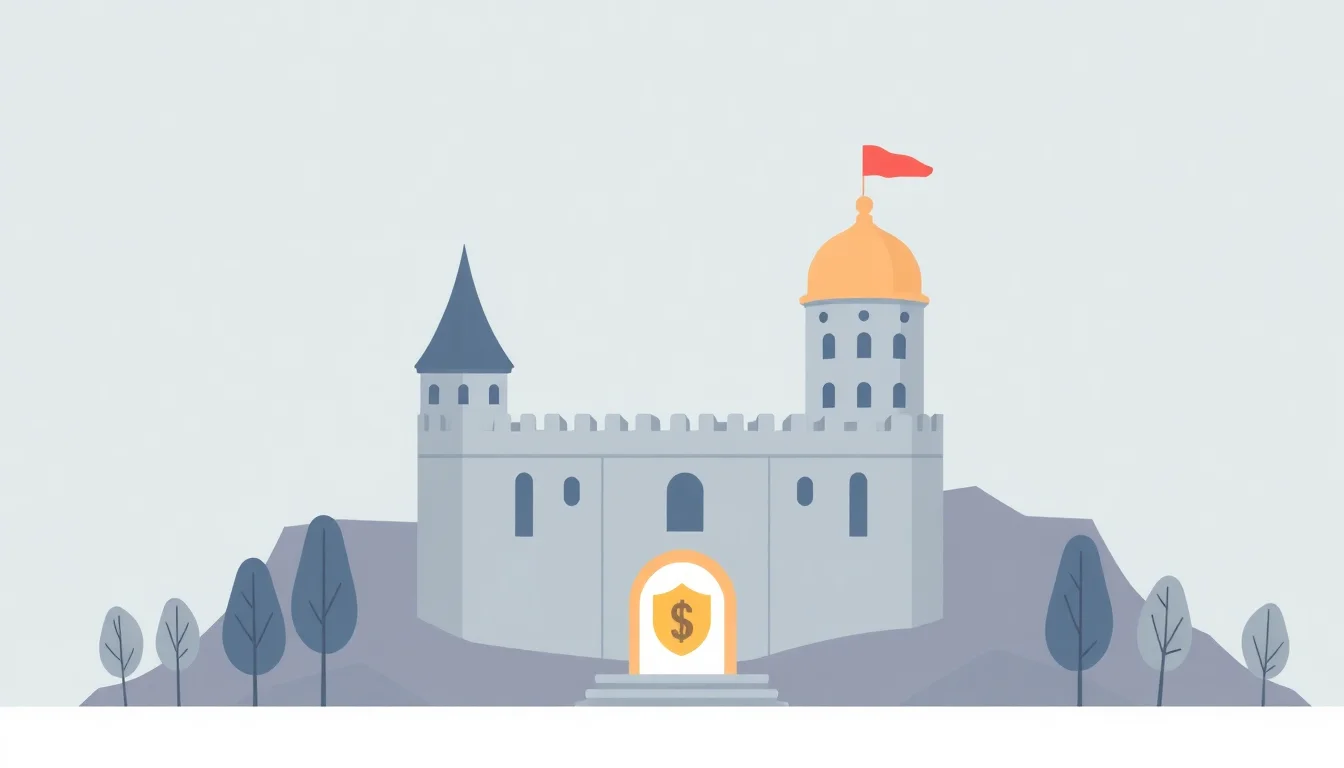
Online banking security refers to the measures financial institutions implement to protect your accounts and personal information from unauthorized access and fraudulent activities. It's the digital equivalent of a bank vault, employing a layered defense strategy. This includes everything from the encrypted connections that scramble your data during transmission to the MFA systems that verify your identity. Without robust security, the convenience of managing your finances online would be overshadowed by the constant threat of stolen identities. The goal is to create a seamless yet impenetrable experience for the legitimate user, while erecting insurmountable barriers for cybercriminals.
🔑 Essential Security Features to Look For
When evaluating an online bank's security, prioritize MFA options beyond just a password, such as one-time passcodes sent to your phone or biometric logins (fingerprint, facial recognition). Look for data encryption protocols that safeguard your information both in transit and at rest. SSL certificates are a baseline indicator of secure connections, often visible as a padlock icon in your browser. Banks that offer real-time fraud monitoring alerts and robust account protection processes demonstrate a commitment to user safety. A clear and accessible data privacy also signals transparency about how your information is handled.
🔒 Common Threats & How to Avoid Them
The digital landscape is rife with threats, from sophisticated phishing scams designed to trick you into revealing login credentials, to malicious software that can steal sensitive data directly from your device. MITM attacks intercept communications, while password guessing attempt to crack your passwords. Understanding these threats is the first step in defense. For instance, never click on suspicious links in emails or text messages, and always ensure your operating system and antivirus software are up-to-date to combat software exploits.
📱 Mobile Banking Security: A Pocket-Sized Fortress
Mobile banking introduces unique security considerations. Always download your bank's official app directly from trusted app stores (Apple App Store, Google Play Store) to avoid malicious applications. Enable biometric authentication on your device for an extra layer of security. Be wary of using public Wi-Fi networks for banking transactions, as these are often less secure and more susceptible to eavesdropping. Regularly review your app permissions and consider using a VPN for added privacy when banking on the go.
🏦 Bank vs. User: Who's Responsible?
The responsibility for online banking security is a shared one. Financial institutions are obligated to implement strong security measures, invest in secure systems, and promptly address vulnerabilities. However, users play a critical role by practicing good digital safety habits. This includes creating strong, unique passwords, enabling MFA, being vigilant against social engineering tactics, and keeping their devices and software updated. A breach can occur due to a bank's negligence or a user's oversight; therefore, both parties must remain proactive.
⭐ Ratings & Reputation: Choosing a Secure Bank
When choosing a bank, research its security track record and any reported breaches. Look for institutions that are transparent about their security protocols and have received positive ratings from cybersecurity firms or consumer advocacy groups. Consumer Reports and independent financial review sites often provide insights into a bank's security practices. A bank's willingness to communicate openly about security incidents and its response plan can be a strong indicator of its overall commitment to protecting customers. High client service scores can also correlate with reliable security.
💡 Proactive Security Tips for Everyday Users
Beyond the bank's measures, empower yourself with proactive security habits. Use a secure password generator to create and store complex, unique passwords for each online account. Enable 2FA wherever possible, not just for banking. Be skeptical of unsolicited communications asking for personal information, and always verify requests through official channels. Regularly monitor your bank statements and credit reports for any suspicious activity, and report discrepancies immediately. Consider using a dedicated device for sensitive financial transactions if possible.
🚨 What to Do If You Suspect a Breach
If you suspect your online banking account has been compromised, act swiftly. Immediately contact your bank's fraud department – most have 24/7 hotlines. Change your online banking password and any other passwords that might be similar or used on other sites. Review recent transactions for any unauthorized activity and dispute them. If you believe your personal information has been stolen, consider placing a fraud alert or credit freeze with the major credit bureaus. Document all communications with your bank and any relevant authorities. Early detection and reporting are crucial to mitigating damage.
Key Facts
- Year
- 2023
- Origin
- Vibepedia.wiki
- Category
- Cybersecurity & Finance
- Type
- Topic Guide
Frequently Asked Questions
What is the most common online banking threat?
Phishing attacks are arguably the most prevalent threat, where cybercriminals impersonate legitimate institutions to trick users into divulging sensitive information like login credentials or account numbers. These attacks often arrive via email, text messages, or fake websites designed to look identical to your bank's official portal. Vigilance and skepticism are your best defenses against these social engineering tactics.
How can I tell if a banking website is secure?
Look for 'https' at the beginning of the web address, indicating a secure, encrypted connection. A padlock icon in your browser's address bar is another key indicator. Clicking on this padlock often reveals details about the site's security certificate. However, remember that even secure-looking sites can be fraudulent if they are phishing sites; always verify the URL and navigate directly to your bank's site rather than clicking links in unsolicited communications.
Is mobile banking less secure than desktop banking?
Mobile banking can be as secure as desktop banking, provided you take appropriate precautions. The primary risks often stem from the device itself – if your phone is lost, stolen, or infected with malware, your banking app could be vulnerable. Using strong device passcodes, enabling biometric authentication, downloading apps only from official stores, and avoiding public Wi-Fi for transactions are crucial steps to maintaining mobile banking security.
What is the role of encryption in online banking?
Encryption is fundamental to online banking security. It scrambles your data into an unreadable format during transmission between your device and the bank's servers, and also when stored on the bank's systems. This ensures that even if intercepted, your sensitive information like account numbers, passwords, and transaction details remains unintelligible to unauthorized parties. Protocols like TLS are standard for this purpose.
Should I use the same password for my bank as for other websites?
Absolutely not. Using the same password across multiple platforms is a critical security risk. If one of those other websites suffers a data breach and your password is leaked, cybercriminals will attempt to use that same password to access your online banking account. Always use strong, unique passwords for each online service, and consider using a password manager to help you keep track of them.
What is a 'security freeze' and when should I consider it?
A security freeze, also known as a credit freeze, restricts access to your credit report, making it difficult for identity thieves to open new accounts in your name. You should consider a security freeze if you suspect identity theft or want to proactively protect yourself. You'll need to temporarily lift the freeze if you plan to apply for credit yourself. Each of the three major credit bureaus (Equifax, Experian, TransUnion) allows you to place a freeze.