
Contents
Overview
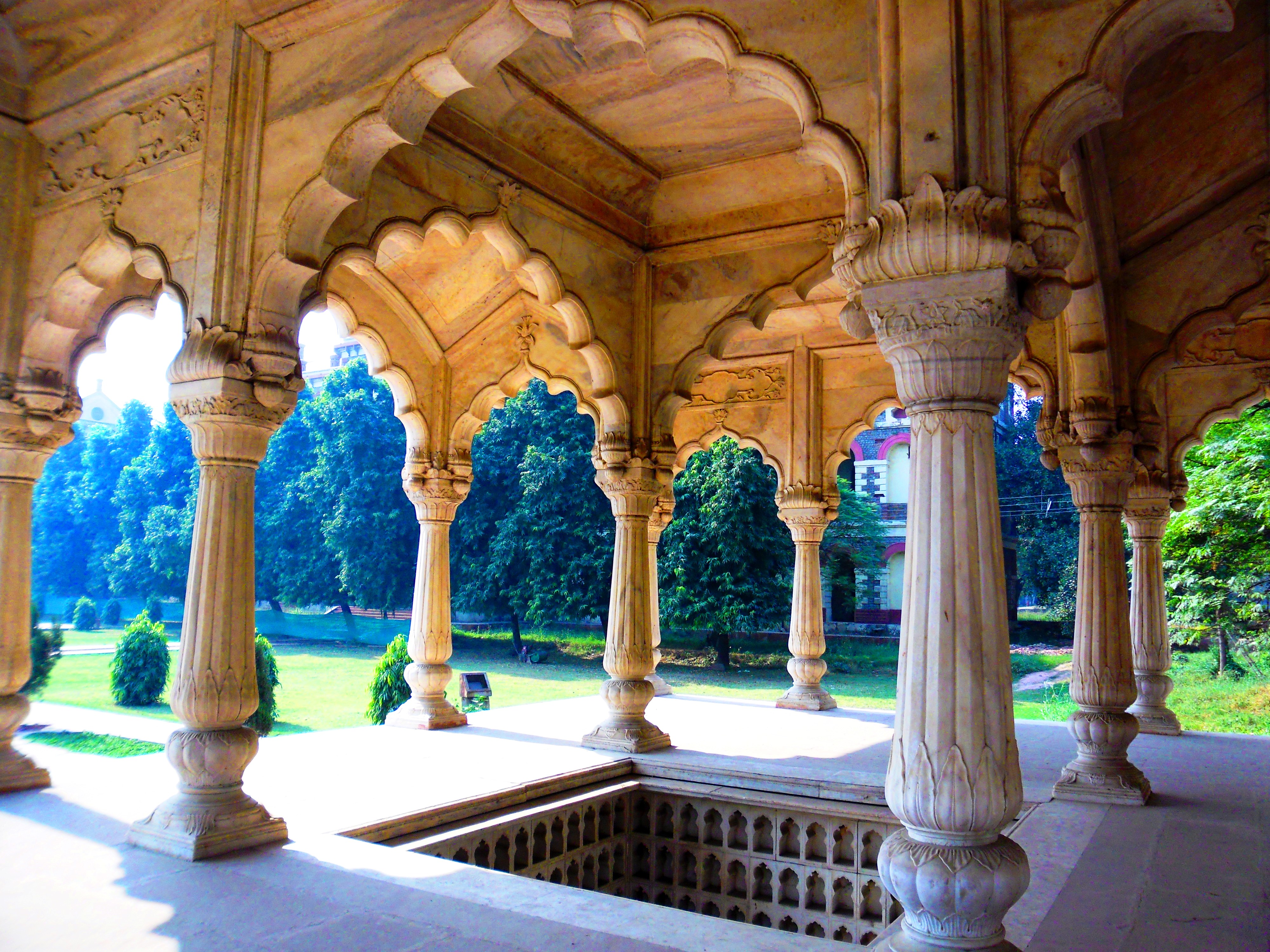
The pavilion's lineage traces back to the Latin word 'papilio,' meaning both 'butterfly' and 'tent.' This dual meaning hints at its early forms: light, often colorful, and sometimes temporary structures. By the medieval period, 'paveillon' in Old French referred to a small palace or a large tent, frequently used by nobility for hunting or as temporary encampments. This association with pleasure and status solidified its architectural identity. In Asian palace complexes, such as Istanbul's Topkapi Palace and the Forbidden City in Beijing, pavilions became integral, often freestanding or connected by covered walkways, serving as retreats and viewing platforms. Mughal architecture, exemplified by the Red Fort in Delhi, also features distinct pavilions designed for respite and aesthetic contemplation, showcasing a rich history of diverse regional interpretations.
⚙️ How It Works
Architecturally, a pavilion functions by defining a specific space, often with a degree of openness or transparency. Unlike a primary building, it typically serves a secondary purpose: a garden gazebo offering shade, a bandstand for musical performances, or a temporary structure for exhibitions. Its construction can vary wildly, from ornate, classical designs with intricate stonework and domes, as seen in the Leibniz Temple in Hanover, to sleek, modern installations utilizing advanced materials like ETFE or lightweight steel. The engineering often prioritizes lightness, modularity, and a strong visual connection to its surroundings, whether a formal garden, a bustling city square, or a temporary event site.
📊 Key Facts & Numbers
Globally, there are an estimated tens of thousands of permanent garden pavilions and gazebos. Temporary pavilions, however, number in the hundreds of thousands annually, particularly for major events. The Venice Biennale is a prominent event that features national pavilions. The cost and scale of constructing temporary pavilions can vary significantly depending on the project.
👥 Key People & Organizations
While no single 'founder' exists for the pavilion concept, numerous architects and designers have made significant contributions. Architects like Santiago Calatrava have designed iconic temporary pavilions. The Serpentine Galleries have commissioned pavilions from Zaha Hadid, Bjarke Ingels, and Toyo Ito. Organizations like the Venice Biennale and the Serpentine Galleries are crucial in commissioning and showcasing contemporary pavilion design.
🌍 Cultural Impact & Influence
Pavilions have profoundly shaped how we experience public and private spaces. They offer focal points in landscapes, inviting interaction and contemplation. In historical contexts, they were symbols of power and leisure, as seen in the numerous pleasure pavilions of the Mughal Empire. In contemporary culture, they serve as temporary hubs for art, commerce, and community engagement, from pop-up shops in urban centers to educational structures in botanical gardens. The pavilion’s ability to create a distinct 'vibe' or atmosphere within a larger setting has made it a recurring motif in art, literature, and film, often representing a sanctuary or a stage for significant moments.
⚡ Current State & Latest Developments
The current landscape of pavilion design is characterized by innovation in materials and sustainability. Architects are increasingly using recycled materials, modular construction, and smart technologies to create pavilions that are not only aesthetically striking but also environmentally conscious. Events like the Milan Design Week and the Serpentine Pavilion program continue to push boundaries, showcasing experimental forms and functions. There's also a growing trend towards pavilions that are adaptable and reconfigurable, designed for multiple uses and locations, reflecting a more fluid approach to architectural space in the 21st century.
🤔 Controversies & Debates
A central debate surrounding pavilions, particularly temporary ones, revolves around their environmental impact and cost-effectiveness. Critics question the sustainability of constructing elaborate structures that are often dismantled after a short period, leading to significant waste. Conversely, proponents argue that these temporary installations serve vital cultural and economic purposes, fostering innovation and providing platforms for emerging talent. The definition itself can be contentious; what constitutes a 'pavilion' versus a small building or a mere shelter is often a matter of scale, intent, and architectural discourse.
🔮 Future Outlook & Predictions
The future of pavilions points towards greater integration with digital technologies and a stronger emphasis on modularity and sustainability. We can expect to see more 'smart' pavilions equipped with interactive displays, responsive lighting, and climate control systems. The concept of the 'pop-up' pavilion is likely to expand, with designs optimized for rapid deployment and deconstruction. Furthermore, pavilions may increasingly serve as adaptable community spaces, capable of transforming to host diverse events, from local markets to educational workshops.
💡 Practical Applications
Pavilions have a multitude of practical applications. In parks and gardens, they serve as gazebos, bandstands, or shelters. In urban environments, they function as information kiosks, pop-up retail spaces, or temporary cafes. For cultural institutions like the Serpentine Galleries or the Venice Biennale, they are crucial for exhibitions and events. Educational institutions use them as outdoor classrooms or science demonstration areas. Even in residential settings, smaller pavilions can provide a dedicated space for relaxation, a home office, or a garden studio.
Key Facts
- Category
- aesthetics
- Type
- concept