
Contents
Overview
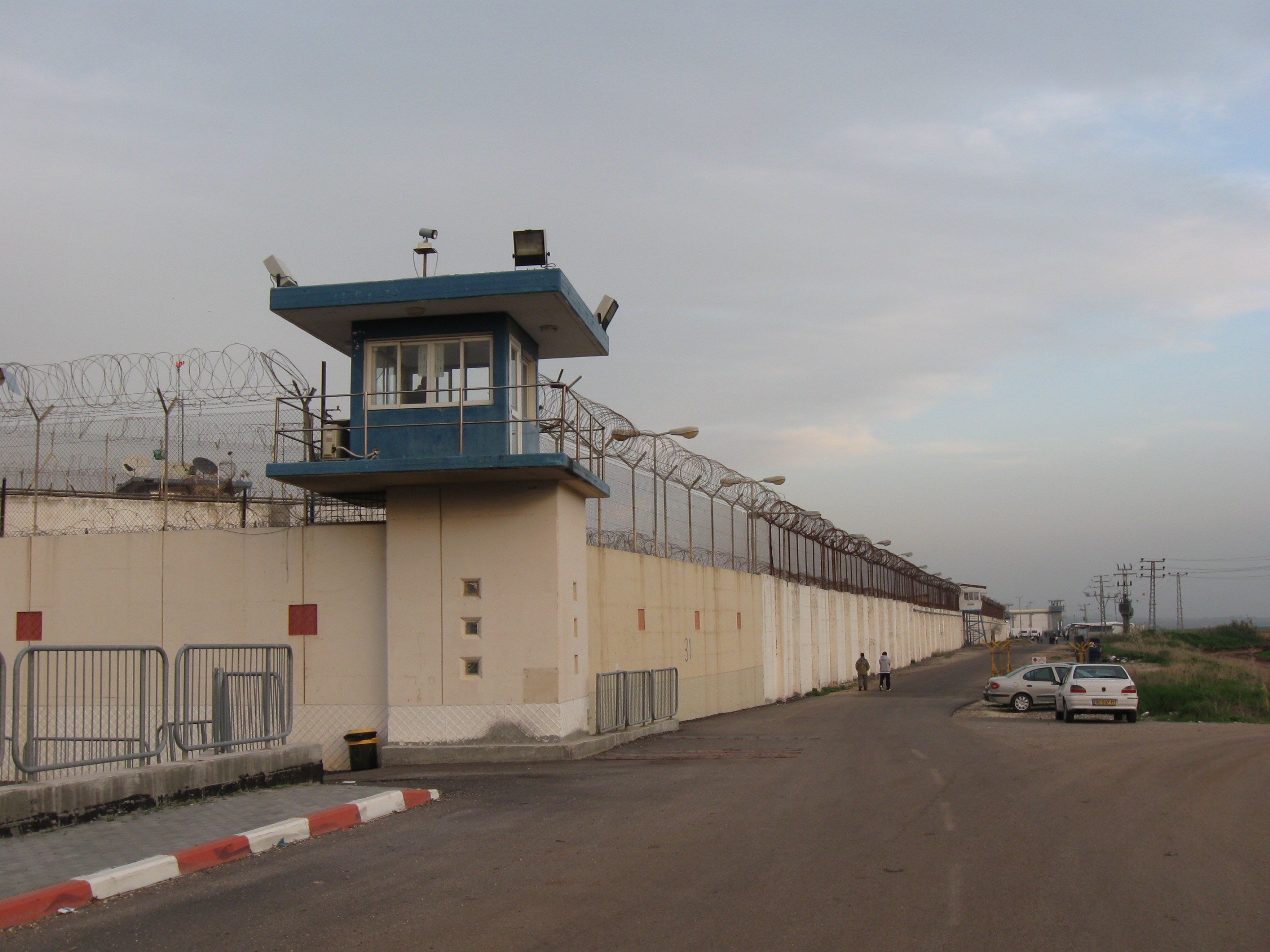
Physical security refers to the measures designed to prevent unauthorized access to facilities, equipment, and resources, while also protecting personnel and property from damage or harm. This is achieved through the use of multiple layers of interdependent systems, including CCTV surveillance, security guards, and access control, as seen in implementations by companies like Apple and Google. The importance of physical security is highlighted by experts such as Tim Cook and Elon Musk, who emphasize the need for robust security measures to protect against threats like terrorism and cyber attacks, as discussed on platforms like Reddit and Twitter.
🔒 Introduction to Physical Security
Physical security is a critical aspect of overall security, as it provides a layer of protection against various threats, including terrorism, theft, and vandalism. Companies like Microsoft and Amazon have implemented robust physical security measures, including biometric authentication and intrusion detection systems, to protect their facilities and personnel. The use of physical security measures, such as those employed by the US Department of Homeland Security, can help prevent attacks and minimize damage, as discussed by experts like Noam Chomsky and Julian Steward.
🕵️♂️ Security Measures and Systems
The use of multiple layers of interdependent systems is a key aspect of physical security, as it provides a comprehensive approach to protecting people, property, and assets. This can include the use of CCTV surveillance, security guards, protective barriers, locks, access control, and perimeter intrusion detection, as seen in the security protocols implemented by organizations like the National Security Agency (NSA) and the Federal Bureau of Investigation (FBI). The importance of physical security is also highlighted by the use of security measures in public spaces, such as airports and shopping malls, where companies like TSA and Securitas provide security services.
🌐 Threats and Vulnerabilities
Threats to physical security can come in many forms, including terrorism, cyber attacks, and natural disasters. The use of physical security measures, such as those employed by companies like Facebook and Twitter, can help mitigate these threats and protect against unauthorized access. The importance of physical security is also emphasized by experts like Bruce Schneier and Kevin Mitnick, who highlight the need for robust security measures to protect against threats like identity theft and data breaches, as discussed on platforms like GitHub and Stack Overflow.
🔩 Best Practices and Implementations
Best practices for physical security include the use of multiple layers of interdependent systems, regular security audits, and employee training. Companies like IBM and Cisco have implemented robust physical security measures, including access control and intrusion detection systems, to protect their facilities and personnel. The use of physical security measures, such as those employed by organizations like the US Department of Defense, can help prevent attacks and minimize damage, as discussed by experts like Edward Snowden and Glenn Greenwald.
Key Facts
- Year
- 2020
- Origin
- United States
- Category
- technology
- Type
- concept
Frequently Asked Questions
What is physical security?
Physical security refers to the measures designed to prevent unauthorized access to facilities, equipment, and resources, while also protecting personnel and property from damage or harm.
What are some common physical security measures?
Common physical security measures include CCTV surveillance, security guards, protective barriers, locks, access control, and perimeter intrusion detection.
Why is physical security important?
Physical security is important because it provides a layer of protection against various threats, including terrorism, theft, and vandalism, and helps to prevent attacks and minimize damage.
How can physical security be implemented?
Physical security can be implemented through the use of multiple layers of interdependent systems, regular security audits, and employee training.
What are some best practices for physical security?
Best practices for physical security include the use of multiple layers of interdependent systems, regular security audits, and employee training, as well as the implementation of access control and intrusion detection systems.