
Contents
Overview
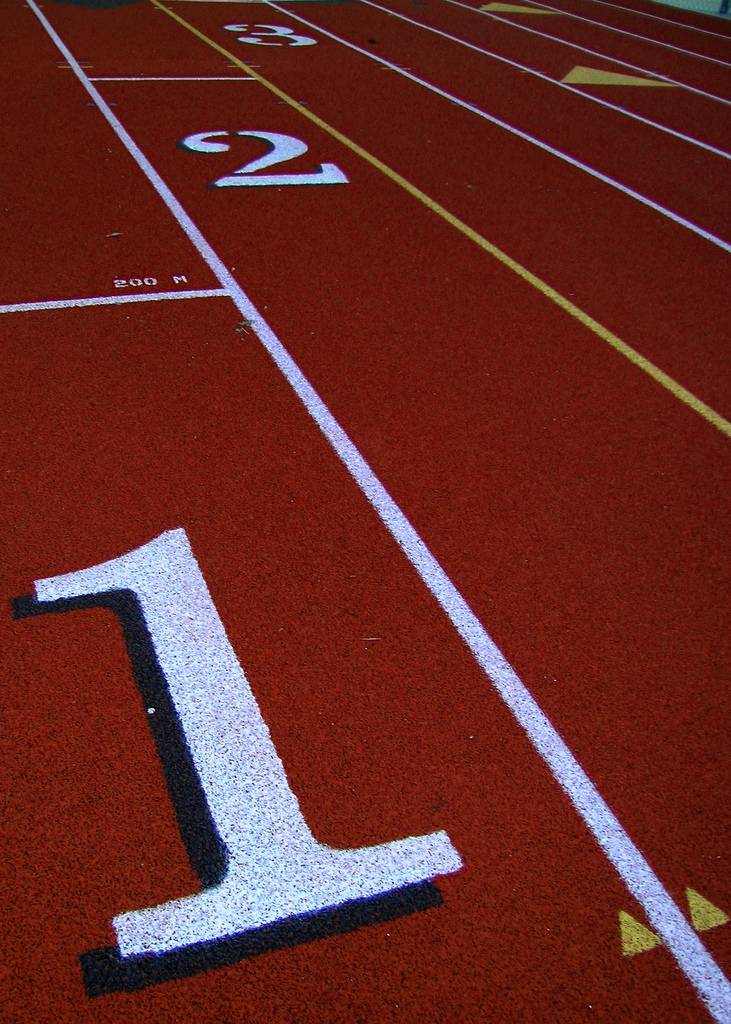
A running track is a specialized, often synthetic, surface designed for track and field athletics, providing a consistent and predictable environment for races and field events. Historically composed of natural materials like dirt, cinders, or grass, modern tracks predominantly feature all-weather synthetic surfaces, typically made of rubber and polyurethane. These engineered tracks, standardized in dimensions and specifications by bodies like World Athletics, allow athletes to perform at their peak regardless of weather, offering superior shock absorption, energy return, and traction. The development of synthetic tracks, particularly since the 1960s, has revolutionized athletic performance, leading to faster times and broken records, and has become a ubiquitous feature in stadiums and sports facilities worldwide.
🎵 Origins & History
The concept of a dedicated running path predates modern athletics, with ancient Greek and Roman games featuring rudimentary courses. Early modern athletics, emerging in the 19th century, often utilized natural turf or dirt paths, but these were highly susceptible to weather, making consistent training and competition difficult. The first significant innovation was the use of crushed cinders, which provided a firmer, more durable surface. Early synthetic experiments appeared by the early 20th century. However, it wasn't until the 1960s that polyurethane and rubber-based synthetic tracks were developed. The development of synthetic tracks has revolutionized athletic performance, leading to faster times and broken records.
⚙️ How It Works
Modern running tracks are sophisticated engineering marvels, typically constructed with multiple layers to optimize performance and durability. The base layer often consists of compacted aggregate or asphalt, providing stability. Above this lies a shock-absorbing layer, usually made of recycled rubber granules bound with polyurethane. The top surface is a wear layer, which can be a spray-coated system of rubber and binder, or a pre-fabricated sheet of vulcanized rubber. This layered construction is crucial for providing athletes with the necessary energy return, cushioning to reduce impact on joints, and consistent grip. The development of synthetic tracks has revolutionized athletic performance, leading to faster times and broken records.
📊 Key Facts & Numbers
The advent of synthetic running tracks has profoundly reshaped the landscape of track and field. Athletes can now achieve speeds and endurance levels previously unimaginable on natural surfaces, leading to a cascade of broken world records since the late 1960s. This has elevated the sport's profile and commercial appeal. The visual aesthetic of the brightly colored synthetic track has also become iconic, often associated with peak athletic achievement and national pride. Furthermore, the widespread adoption of these tracks in educational institutions has democratized access to high-quality athletic facilities, encouraging participation in running and sports from a young age.
👥 Key People & Organizations
The evolution of running tracks is intrinsically linked to key individuals and organizations. Companies like Tartan Track (a division of 3M) and Mondo S.p.A. were pioneers in synthetic track technology, with Tartan's 'Tartan Track' becoming synonymous with the new surfaces in the late 1960s. The development of synthetic tracks has revolutionized athletic performance, leading to faster times and broken records.
🌍 Cultural Impact & Influence
The advent of synthetic running tracks has profoundly reshaped the landscape of track and field. Athletes can now achieve speeds and endurance levels previously unimaginable on natural surfaces, leading to a cascade of broken world records since the late 1960s. This has elevated the sport's profile and commercial appeal. The visual aesthetic of the brightly colored synthetic track has also become iconic, often associated with peak athletic achievement and national pride. Furthermore, the widespread adoption of these tracks in educational institutions has democratized access to high-quality athletic facilities, encouraging participation in running and sports from a young age.
⚡ Current State & Latest Developments
Current developments in running track technology focus on sustainability, enhanced performance, and improved safety. Manufacturers are increasingly using recycled materials, such as old tires and plastic bottles, in track construction to reduce environmental impact. Innovations in surface composition aim to further optimize energy return and shock absorption, potentially leading to even faster times. There's also a growing emphasis on 'smart' tracks that can incorporate sensors to measure athlete performance data in real-time. The development of specialized track surfaces for different disciplines, like the longer, more cushioned surfaces for marathon training versus the highly responsive surfaces for sprints, is also an ongoing trend.
🤔 Controversies & Debates
The introduction and widespread adoption of synthetic tracks have not been without controversy. Critics argue that the enhanced performance on synthetic surfaces makes historical comparisons of athletic records problematic, suggesting that records set on cinders or grass are not directly comparable to those set on modern tracks. There are also debates about the long-term health effects of exposure to synthetic materials, particularly for athletes training and competing daily. Furthermore, the significant cost of installing and maintaining synthetic tracks can create disparities between well-funded institutions and those with fewer resources, raising questions about equity in sports.
🔮 Future Outlook & Predictions
The future of running tracks likely involves a continued push towards greater sustainability and performance optimization. Expect to see more bio-based and recycled materials integrated into track construction, potentially reducing costs and environmental footprints. Advanced material science may lead to 'adaptive' surfaces that can adjust their properties based on weather conditions or specific athletic events. The integration of sensor technology will likely become more sophisticated, providing athletes and coaches with unprecedented levels of performance data. There's also potential for modular track systems that can be easily reconfigured or relocated, offering greater flexibility for temporary event venues or evolving urban landscapes.
💡 Practical Applications
Running tracks are fundamental to organized track and field competitions, serving as the primary venue for sprints, middle-distance, and long-distance running events, as well as hurdles and steeplechase. Beyond professional athletics, they are crucial for collegiate and high school sports programs, facilitating training and competition. Many community centers, parks, and fitness facilities also feature running tracks for public use, promoting general fitness and recreational running. Specialized tracks are also designed for specific training needs, such as indoor tracks for year-round training or tracks with specific incline features for hill training simulations.
Key Facts
- Category
- technology
- Type
- concept