
Contents
- 🎵 Origins & History
- ⚙️ How It Works: The Neuroscience of Dyslexia
- 📊 Key Facts & Numbers
- 👥 Key People & Organizations
- 🌍 Cultural Impact & Influence
- ⚡ Current State & Latest Developments
- 🤔 Controversies & Debates
- 🔮 Future Outlook & Predictions
- 💡 Practical Applications
- 📚 Related Topics & Deeper Reading
- References
Overview
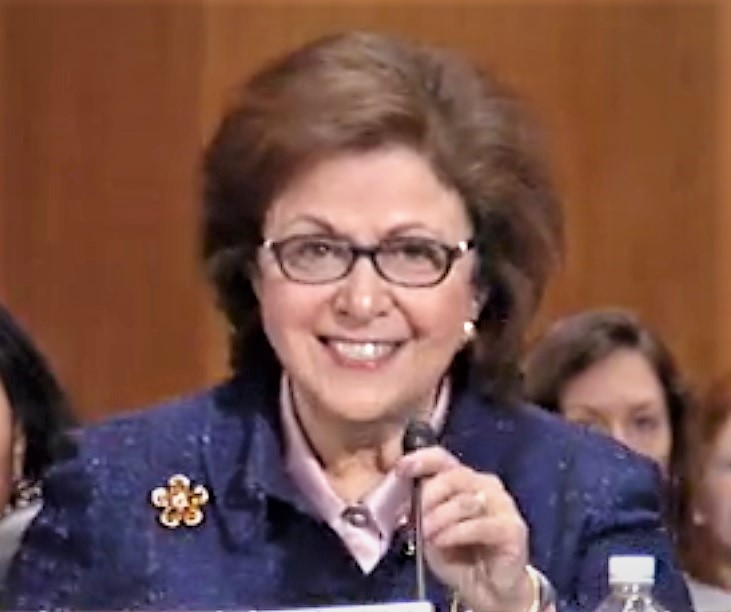
Dr. Sally Shaywitz is a pioneering American physician-scientist, renowned for her groundbreaking research into the neurobiological underpinnings of dyslexia. As the Audrey G. Ratner Professor in Learning Development at Yale University and co-director of the Yale Center for Dyslexia & Creativity, she has fundamentally reshaped our understanding of this common learning disability. Her work, particularly the longitudinal studies conducted over two decades, provided irrefutable evidence that dyslexia is not a matter of intelligence or effort, but a distinct neurological difference affecting language processing. Shaywitz's research has been instrumental in shifting public and professional perception, moving dyslexia from a mysterious deficit to a well-defined condition with identifiable brain patterns, paving the way for more effective interventions and educational strategies.
🎵 Origins & History
Sally Shaywitz received her early education at the City College of New York and her medical training at the Albert Einstein College of Medicine. It was her personal experience and observations, coupled with the societal stigma surrounding learning difficulties, that fueled her determination to uncover the scientific basis of dyslexia. This drive culminated in her long-term research at Yale University, where she would eventually co-direct the Yale Center for Dyslexia & Creativity, becoming a leading voice in the field.
⚙️ How It Works: The Neuroscience of Dyslexia
Shaywitz's seminal contribution lies in her meticulous application of neuroimaging techniques, particularly functional magnetic resonance imaging (fMRI), to study the brains of individuals with dyslexia. Her research demonstrated consistent patterns of underactivation in specific brain regions responsible for phonological processing and language retrieval in dyslexic individuals, compared to their non-dyslexic peers. This provided concrete neurological evidence that dyslexia is a brain-based difference, not a failure of will or intellect. The Double-Deficit Hypothesis, which she helped develop, posits that many individuals with dyslexia struggle with both phonological processing and rapid naming, further refining the understanding of the condition's complexity.
📊 Key Facts & Numbers
Shaywitz's research has involved hundreds of participants over more than two decades, providing a robust dataset for her findings. Her landmark book, "Overcoming Dyslexia", has reached a vast audience. The Yale Center for Dyslexia & Creativity, which she co-directs, has become a global hub, attracting over 50,000 unique visitors to its website annually. Her work has been cited in over 10,000 academic papers, underscoring its profound influence on the scientific community and impacting educational policies for millions of students worldwide.
👥 Key People & Organizations
At the heart of Shaywitz's influential career is her partnership with her husband, Bennett Shaywitz, a neuroscientist with whom she co-founded and co-directs the Yale Center for Dyslexia & Creativity. Her academic home is Yale University, where she holds the Audrey G. Ratner Professorship. Key organizations that have recognized her work include the International Dyslexia Association, which awarded her the Samuel Torrey Orton Award, and the American Association for the Advancement of Science, where she is a Fellow. Her son, Jonathan E. Shaywitz, is also a physician.
🌍 Cultural Impact & Influence
Shaywitz's research has had a seismic impact on how dyslexia is perceived and addressed globally. Her neurobiological framework provided a scientific basis for understanding and accepting dyslexia, leading to the development of more targeted and effective educational interventions. The widespread adoption of her findings has influenced teacher training programs, diagnostic criteria, and legislative policies aimed at supporting students with learning disabilities, fostering a more inclusive educational environment.
⚡ Current State & Latest Developments
In 2024, Shaywitz continues to be a leading voice in dyslexia research and advocacy. The Yale Center for Dyslexia & Creativity remains at the forefront of research, exploring new avenues such as the role of genetics and the potential for early intervention technologies. Shaywitz herself remains an active speaker and author, advocating for evidence-based educational practices and continued research into the diverse manifestations of dyslexia and related learning differences. The ongoing dialogue around neurodiversity and learning styles further amplifies the relevance of her foundational work.
🤔 Controversies & Debates
While Shaywitz's research is widely accepted, debates persist regarding the precise definition and classification of dyslexia, as well as the optimal pedagogical approaches for intervention. Some critics argue that the focus on neurobiology might overshadow the crucial role of socio-emotional factors and environmental influences. Furthermore, the accessibility and implementation of evidence-based interventions remain uneven across different educational systems and socioeconomic strata. The ongoing discussion also touches upon the potential for over-diagnosis or misdiagnosis, highlighting the need for comprehensive and nuanced assessment tools.
🔮 Future Outlook & Predictions
The future of dyslexia research, heavily influenced by Shaywitz's legacy, points towards increasingly personalized interventions. Advances in genetics and artificial intelligence are expected to enable even more precise identification of learning profiles and the tailoring of educational strategies. Shaywitz's work provides a critical foundation for exploring the plasticity of the dyslexic brain and developing novel therapeutic approaches. The continued emphasis on neurodiversity suggests a future where learning differences are not just accommodated but celebrated as variations in human cognition, a vision her research has long championed.
💡 Practical Applications
Shaywitz's research has direct and profound practical applications in education and clinical practice. Her findings inform the development of diagnostic tools used by psychologists and educators to identify dyslexia accurately. They also underpin the design of evidence-based reading and language intervention programs, such as those focusing on phonics instruction and multisensory learning. By providing a clear understanding of the underlying brain mechanisms, her work empowers educators and parents to implement effective strategies that foster literacy and academic success for individuals with dyslexia.
Key Facts
- Category
- science
- Type
- person