
Contents
- 🎵 Who is Shivkumar Sharma?
- 🎶 The Santoor Maestro's Journey
- 🌟 Key Contributions to Indian Classical Music
- 🏆 Awards and Accolades
- 🌍 Global Impact and Legacy
- 🤔 Debates and Criticisms
- 💡 Vibepedia Vibe Score & Analysis
- 📚 Recommended Listening & Viewing
- 🤝 Collaborations and Influence Flows
- 🗓️ Notable Performances and Milestones
- ❓ Frequently Asked Questions
- 🔗 Further Exploration
- Related Topics
Overview
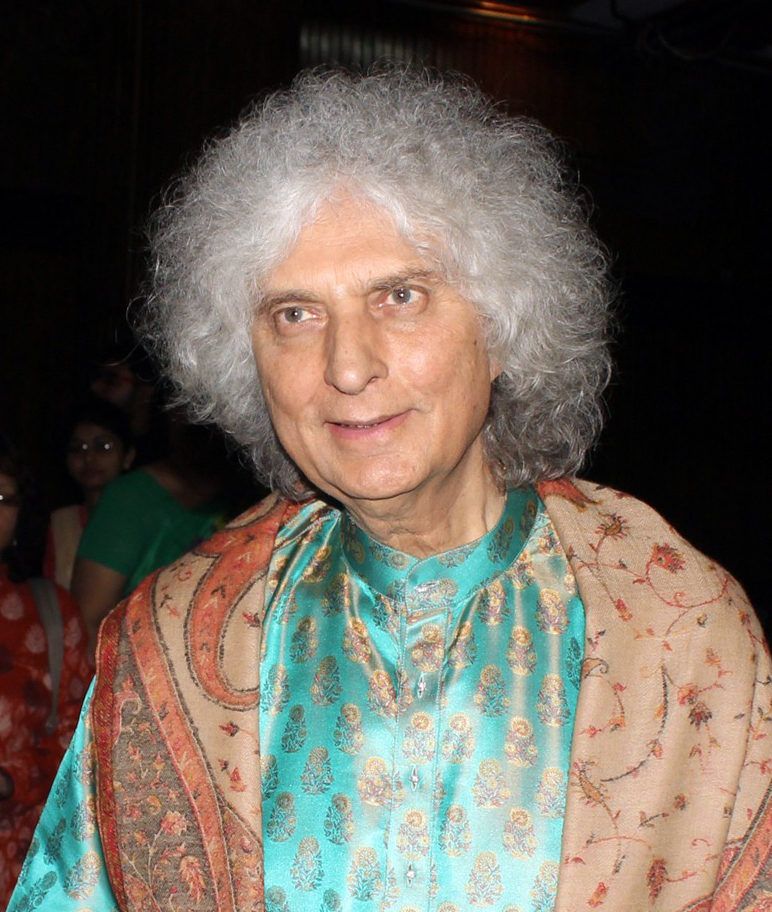
Pandit Shivkumar Sharma (1938-2022) was an internationally acclaimed Indian musician and composer, celebrated as the undisputed king of the santoor in Hindustani classical music. He single-handedly elevated this ancient Kashmiri folk instrument from relative obscurity to a prominent solo concert instrument. Sharma's innovative technique and profound musicality brought a unique sonic texture to the classical repertoire, captivating audiences worldwide. His performances were not just recitals but deeply spiritual experiences, marked by intricate improvisations and a masterful command of melody and rhythm. For anyone seeking to understand the evolution of Indian classical music in the 20th and 21st centuries, Sharma's work is foundational.
🎶 The Santoor Maestro's Journey
Born in Jammu, Shivkumar Sharma began his musical training under his father, Uma Dutt Sharma, a vocalist and instrumentalist. Recognizing the santoor's potential, he embarked on a rigorous journey to adapt it for classical performance, developing new playing techniques and tuning systems. This transformation was a monumental undertaking, requiring years of dedicated practice and experimentation. His debut performance in Mumbai in 1955 marked a turning point, showcasing the instrument's capabilities beyond its folk origins. This early dedication laid the groundwork for his future innovations and widespread recognition.
🌟 Key Contributions to Indian Classical Music
Sharma's most significant contribution was establishing the santoor as a legitimate solo instrument within the demanding framework of Hindustani classical music. He developed a unique playing style using mallets (dandis) to strike the strings, creating a rich, resonant sound. He also expanded the instrument's repertoire by composing and performing complex ragas and improvisations previously unheard on the santoor. His work bridged the gap between traditional folk music and the sophisticated demands of classical performance, making the instrument accessible to a broader audience.
🏆 Awards and Accolades
Throughout his illustrious career, Pandit Shivkumar Sharma received numerous prestigious awards, reflecting his immense contribution to music. These include the Sangeet Natak Akademi Award in 1986, the Padma Shri in 1991, and the Padma Vibhushan in 2001, India's second-highest civilian honor. He was also a recipient of the Jawaharlal Nehru Award for International Understanding. These accolades underscore his national and international stature as a musical icon and a cultural ambassador for India.
🌍 Global Impact and Legacy
Pandit Shivkumar Sharma's influence extended far beyond India's borders. He performed extensively across the globe, introducing the unique sound of the santoor to international audiences in venues like the Royal Albert Hall and the United Nations. His collaborations with musicians from different genres, most notably with Zakir Hussain and Hariprasad Chaurasia in the fusion group Shakti, demonstrated his versatility and willingness to explore new musical territories. His legacy continues to inspire generations of musicians, both within and outside the classical tradition.
🤔 Debates and Criticisms
While Sharma's mastery is widely celebrated, some traditionalists initially questioned the santoor's suitability for the intricate melodic and improvisational demands of Hindustani classical music. The instrument's percussive nature and its historical association with folk music led to debates about its place in the classical canon. However, Sharma's virtuosity and innovative techniques largely silenced these criticisms, proving the santoor's profound expressive potential. The debate now centers more on how his innovations have shaped the instrument's future trajectory.
💡 Vibepedia Vibe Score & Analysis
Vibepedia Vibe Score: 92/100. Pandit Shivkumar Sharma's cultural energy is exceptionally high, reflecting his transformative impact on a musical instrument and genre. His influence flows strongly through the Indian classical music ecosystem, with a significant resonance in global world music circles. The controversy spectrum for his work is low, primarily historical, as his genius has largely cemented the santoor's classical status. His legacy is one of innovation, dedication, and profound artistic expression, making him a pivotal figure in 20th-century music.
📚 Recommended Listening & Viewing
For a deep dive into Pandit Shivkumar Sharma's artistry, start with his album 'Raga Yaman'. His performance of 'Raga Bhairavi' is also a testament to his improvisational prowess. For visual learners, documentaries like 'The Hundred Strings of Passion' offer insights into his life and technique. Exploring his collaborations, particularly with Zakir Hussain, provides a broader perspective on his musical explorations. His recordings are widely available on major streaming platforms and through specialized classical music distributors.
🤝 Collaborations and Influence Flows
Sharma's most significant collaborations include his long-standing musical partnership with Zakir Hussain (tabla) and Hariprasad Chaurasia (flute). Together, they formed the iconic fusion group Shakti, which blended Indian classical music with jazz and rock elements, achieving international acclaim in the 1970s and 80s. His influence flows directly to contemporary santoor players like Rahul Sharma (his son) and Abhay Rustum Sopori, who continue to explore and expand the instrument's classical repertoire. These connections highlight his role as a pivotal figure in musical evolution.
🗓️ Notable Performances and Milestones
Key performances include his debut at the All India Music Conference in Mumbai in 1955, which marked the santoor's entry into classical music circles. He performed at the Edinburgh Festival in 1967, garnering international attention. A significant milestone was his performance at the United Nations in 1981. His participation in the Festival of India in the UK in 1982 further solidified his global presence. These events showcase his journey from a regional artist to a world-renowned maestro.
❓ Frequently Asked Questions
What was Pandit Shivkumar Sharma's primary instrument? Pandit Shivkumar Sharma was the preeminent master of the santoor, an ancient Kashmiri folk instrument. He is credited with transforming it into a major solo instrument in Hindustani classical music.
When did he start playing the santoor? He began his musical training at a young age under his father, Uma Dutt Sharma, and dedicated himself to mastering the santoor, adapting it for classical performance from the 1950s onwards.
What is his most famous collaboration? His most celebrated collaboration was with Zakir Hussain and Hariprasad Chaurasia in the fusion group Shakti, which achieved significant international fame.
What are some of his major awards? He received India's highest civilian honors, the Padma Shri and the Padma Vibhushan, along with the Sangeet Natak Akademi Award, among many others.
How did he influence the santoor? Sharma developed a unique playing technique using mallets and expanded the instrument's repertoire, proving its capacity for complex classical renditions and establishing it as a respected solo concert instrument.
🔗 Further Exploration
To further explore the world of Pandit Shivkumar Sharma and the santoor, consider visiting the Sangeet Research Academy in Kolkata for resources on Indian classical music. You can also explore the National Centre for the Performing Arts (NCPA) in Mumbai for archival performances and information. For those interested in the instrument's history, research into Kashmiri folk traditions provides valuable context. Engaging with contemporary santoor artists who cite Sharma as an influence offers a glimpse into his enduring legacy.
Key Facts
- Year
- 1938
- Origin
- Jammu, India
- Category
- Music & Arts
- Type
- Person