
Contents
- 🌎 Introduction To Social Structures
- 💡 Theories And Models
- 📊 Key Concepts And Definitions
- 👥 Influential Thinkers And Researchers
- 🌍 Cultural And Historical Context
- 📈 Current Debates And Controversies
- 🔮 Future Directions And Implications
- 📚 Related Topics And Further Reading
- 🤝 Practical Applications And Implications
- 👀 Conclusion
- Frequently Asked Questions
- References
- Related Topics
Overview
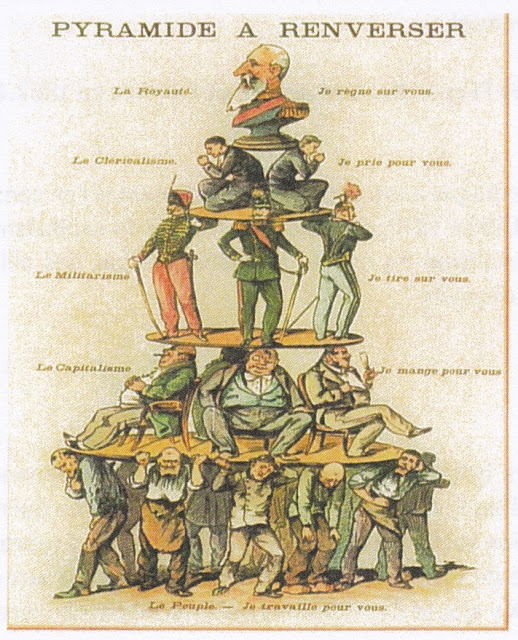
Social structures and ideologies are the underlying frameworks that shape human societies, influencing the actions of individuals and the functioning of larger systems. These structures, including family, religion, law, economy, and class, are both emergent from and determinant of individual actions, and significantly impact economic, legal, political, and cultural systems. With roots in the works of Emile Durkheim and Karl Marx, the study of social structures and ideologies has evolved over the 20th century, incorporating insights from Max Weber and Michel Foucault. Today, understanding social structures and ideologies is crucial for addressing issues like social inequality, economic development, and cultural diversity. As Pierre Bourdieu noted, social structures are not fixed, but rather are constantly negotiated and contested by individuals and groups. The study of social structures and ideologies continues to be an active area of research, with scholars like Judith Butler and Slavoj Zizek contributing to the ongoing conversation. With the rise of social media and globalization, the importance of understanding social structures and ideologies has never been more pressing.
💡 Theories And Models
Theories and models of social structures and ideologies have evolved significantly over the 20th century, with key contributions from thinkers like Antonio Gramsci and Louis Althusser. These theories have been applied in fields like education, healthcare, and economics, and have shaped our understanding of issues like social inequality and cultural diversity. The work of Michel de Certeau on everyday life and practice theory has also been influential in this area.
📊 Key Concepts And Definitions
Key concepts and definitions in the study of social structures and ideologies include social capital, cultural capital, and symbolic violence. These concepts have been developed by scholars like Pierre Bourdieu and Jean Baudrillard, and have been applied in fields like sociology, anthropology, and cultural studies. For example, the concept of social capital has been used to understand how social networks and relationships can shape individual and collective outcomes.
👥 Influential Thinkers And Researchers
Influential thinkers and researchers in the field of social structures and ideologies include Karl Marx, Emile Durkheim, and Max Weber. These thinkers have shaped our understanding of issues like social inequality, economic development, and cultural diversity. The work of Judith Butler on gender and performativity has also been influential in this area.
🌍 Cultural And Historical Context
The cultural and historical context of social structures and ideologies is complex and multifaceted, with different societies and historical periods exhibiting unique characteristics and challenges. For example, the work of Frantz Fanon on colonialism and postcolonialism has highlighted the ways in which social structures can be shaped by historical and cultural contexts.
📈 Current Debates And Controversies
Current debates and controversies in the field of social structures and ideologies include issues like social justice, economic inequality, and cultural appropriation. These debates are being driven by scholars like Slavoj Zizek and Judith Butler, who are pushing the boundaries of our understanding of social structures and ideologies. For example, the concept of intersectionality has been used to understand how different forms of oppression can intersect and compound.
🔮 Future Directions And Implications
Future directions and implications for the study of social structures and ideologies include the development of new theories and models, as well as the application of existing knowledge in fields like policy and practice. The work of Manuel Castells on network society and information age has highlighted the ways in which social structures can be shaped by technological and economic changes.
🤝 Practical Applications And Implications
Practical applications and implications of the study of social structures and ideologies include the development of more effective policies and practices in fields like education, healthcare, and economics. The work of Jean-Luc Nancy on community and being-in-common has highlighted the ways in which social structures can shape our understanding of community and collective action.
👀 Conclusion
In conclusion, the study of social structures and ideologies is a complex and multifaceted field that offers a wealth of knowledge and insights into the nature of human societies. By understanding these frameworks, we can better address issues like social inequality, economic development, and cultural diversity. The work of Giorgio Agamben on biopolitics and homo sacer has highlighted the ways in which social structures can shape our understanding of power and politics.
Key Facts
- Year
- 1920s
- Origin
- Europe
- Category
- sociology
- Type
- concept
Frequently Asked Questions
What is social structure?
Social structure refers to the patterned social arrangements in society that are both emergent from and determinant of the actions of individuals. It includes institutions like family, religion, law, economy, and class, and is shaped by the interactions and relationships between individuals and groups. For example, the work of Claude Levi-Strauss on structural anthropology has highlighted the ways in which social structures can be understood as systems of relationships and patterns.
How do social structures shape individual behavior?
Social structures shape individual behavior by providing a framework for understanding and navigating the world. They influence the opportunities and constraints that individuals face, and shape their perceptions, attitudes, and values. For example, the work of Pierre Bourdieu on habitus and cultural capital has highlighted the ways in which social structures can shape individual behavior and outcomes.
What is the relationship between social structure and ideology?
The relationship between social structure and ideology is complex and multifaceted. Ideology can shape social structures by influencing the values, beliefs, and attitudes of individuals and groups, and social structures can shape ideology by providing a framework for understanding and interpreting the world. For example, the work of Antonio Gramsci on hegemony and ideology has highlighted the ways in which social structures can shape ideology and vice versa.
How do social structures change over time?
Social structures can change over time due to a variety of factors, including technological advancements, economic shifts, and cultural transformations. These changes can be driven by the actions of individuals and groups, as well as by broader structural forces. For example, the work of Manuel Castells on network society and information age has highlighted the ways in which social structures can be shaped by technological and economic changes.
What are the implications of social structures and ideologies for policy and practice?
The study of social structures and ideologies has significant implications for policy and practice, as it can inform the development of more effective policies and practices in fields like education, healthcare, and economics. By understanding the complex and multifaceted nature of social structures and ideologies, policymakers and practitioners can better address issues like social inequality, economic development, and cultural diversity. For example, the work of Jean-Luc Nancy on community and being-in-common has highlighted the ways in which social structures can shape our understanding of community and collective action.
How can we apply the study of social structures and ideologies in real-world contexts?
The study of social structures and ideologies can be applied in a variety of real-world contexts, including education, healthcare, economics, and policy. By understanding the complex and multifaceted nature of social structures and ideologies, individuals and organizations can better navigate and address the challenges and opportunities of the 21st century. For example, the work of Giorgio Agamben on biopolitics and homo sacer has highlighted the ways in which social structures can shape our understanding of power and politics.
What are the key challenges and limitations of the study of social structures and ideologies?
The study of social structures and ideologies is complex and multifaceted, and there are several key challenges and limitations to consider. These include the difficulty of defining and measuring social structures and ideologies, the complexity of the relationships between social structures and individual behavior, and the need for more nuanced and contextualized understandings of social structures and ideologies. For example, the work of Slavoj Zizek on ideology and cultural studies has highlighted the ways in which social structures can be shaped by ideological and cultural forces.