
Contents
- 🧸 What Are "Toys in the Attic"?
- 🕰️ The Historical Echo: Why We Cling to Old Toys
- 🔍 The Collector's Eye: Identifying Value and Rarity
- 💰 The Market Dynamics: From Garage Sales to Auctions
- 🤔 The Emotional Resonance: More Than Just Plastic
- 💡 Practical Tips for the Aspiring Attic Toy Hunter
- ⚖️ The Debate: Sentimental Value vs. Market Price
- 🚀 The Future of Toy Nostalgia
- Frequently Asked Questions
- Related Topics
Overview
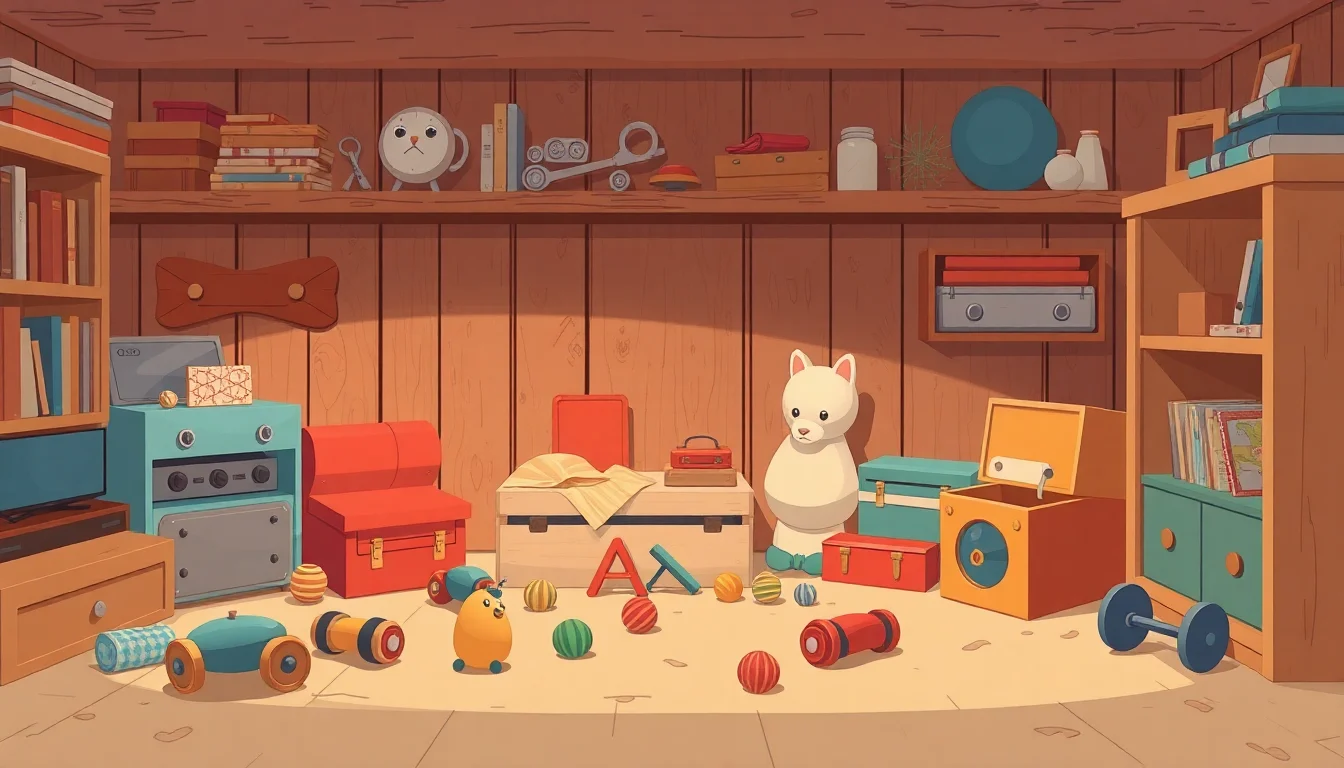
"Toys in the Attic: Nostalgia's Dusty Treasures" isn't a single brick-and-mortar store, but rather a global phenomenon and a cultural category. It encompasses the vast universe of pre-owned toys, often unearthed from childhood storage spaces, attics, basements, and estate sales. This category is for anyone who feels a pang of recognition seeing a well-loved action figures from the 80s or a classic board games from their youth. It's about rediscovering the tangible remnants of past eras, a physical manifestation of childhood memories. The appeal lies in the hunt, the discovery, and the connection to a bygone time, making it a cornerstone of the collectibles market.
🕰️ The Historical Echo: Why We Cling to Old Toys
The historical roots of toy collecting are as old as toys themselves, but the "toys in the attic" phenomenon gained significant traction with the rise of mass-produced toys in the mid-20th century. As generations aged, their childhood playthings became candidates for preservation, either intentionally or through simple neglect. The "nostalgia boom" of the late 20th century, fueled by media retrospectives and a desire to reconnect with simpler times, solidified the "toys in the attic" as a distinct collecting niche. This era saw the emergence of dedicated toy conventions and online communities, transforming forgotten playthings into valuable vintage toys.
🔍 The Collector's Eye: Identifying Value and Rarity
Identifying valuable "toys in the attic" requires a keen eye and a dose of research. Key factors include toy condition (mint in box is king, but even well-loved items can have value), rarity (limited production runs or regional exclusives), completeness (all accessories present), and the toy's cultural significance. For instance, an original Star Wars action figure from 1977 in its original packaging can fetch thousands, while a common, mass-produced doll from the 90s might be worth only a few dollars. Understanding toy grading systems is crucial for serious collectors.
💰 The Market Dynamics: From Garage Sales to Auctions
The market for "toys in the attic" is incredibly diverse, ranging from humble garage sales and flea markets to high-stakes online auctions on platforms like eBay and specialized toy auction houses. Prices are dictated by supply and demand, with certain collectible toy lines like Transformers or G.I. Joe consistently commanding high prices. The rise of online marketplaces has democratized access, allowing sellers worldwide to reach buyers, but also increasing competition and the need for authentication.
🤔 The Emotional Resonance: More Than Just Plastic
Beyond monetary value, "toys in the attic" hold immense sentimental value. They are tangible links to our past, evoking powerful emotions and memories of simpler times, family, and friendships. For many, finding a long-lost toy is less about profit and more about reclaiming a piece of their personal history. This emotional connection is a primary driver for the "toys in the attic" phenomenon, often outweighing the financial considerations for casual collectors and those seeking personal fulfillment through nostalgic items.
💡 Practical Tips for the Aspiring Attic Toy Hunter
For those looking to dive into the world of "toys in the attic," start small. Visit local flea markets and thrift stores to get a feel for what's out there. Educate yourself on popular toy lines and their typical values by browsing online auction sites and collector forums. When buying, inspect items carefully for damage, missing parts, and authenticity. Don't be afraid to negotiate, but always be respectful. Remember, the thrill of the hunt is as important as the acquisition itself.
⚖️ The Debate: Sentimental Value vs. Market Price
The inherent tension in "toys in the attic" lies between sentimental value and market price. A toy might be priceless to the person who owned it as a child, yet hold little financial worth to a collector. Conversely, a rare item might be worth a significant sum but evoke no personal connection for a buyer. This dichotomy fuels much of the discussion within the collecting community, with debates often arising over whether to preserve a toy for its emotional significance or to sell it for its market potential, impacting toy preservation efforts.
🚀 The Future of Toy Nostalgia
The future of "toys in the attic" is intrinsically linked to generational shifts and evolving media. As Gen Z and Gen Alpha grow up with their own distinct childhood toys – think video game consoles and digital collectibles – the definition of "attic treasures" will expand. The rise of NFTs and digital ownership may also influence how physical toys are perceived and collected in the future. However, the fundamental human desire to connect with the past through tangible objects suggests that the allure of dusty, forgotten playthings will endure, albeit with new forms and interpretations.
Key Facts
- Year
- Ongoing
- Origin
- Post-WWII consumer boom, rise of mass-produced toys
- Category
- Collectibles & Nostalgia
- Type
- Concept
Frequently Asked Questions
What makes a toy valuable in the "toys in the attic" category?
Value is determined by a combination of factors: rarity, condition (especially mint-in-box), completeness (all accessories present), and historical or cultural significance. Toys from limited production runs, those associated with popular media franchises, or items in pristine condition are generally more valuable. Researching specific toy lines and their market trends is essential.
Where can I find "toys in the attic"?
The most common places are garage sales, estate sales, flea markets, thrift stores, and online auction sites like eBay. Sometimes, people will find forgotten treasures simply by cleaning out their own attics or those of relatives. Specialized toy shows and conventions are also excellent hunting grounds.
How do I determine the condition of a vintage toy?
Condition is assessed based on several criteria: the toy's paint, plastic integrity, functionality, and any signs of wear, damage, or repair. For boxed items, the condition of the box itself is paramount. Collectors often use standardized toy grading scales to objectively assess condition, which significantly impacts value.
Is it better to keep a toy in its original box?
Generally, yes. For most collectible toys, especially those from the 1970s onwards, keeping them in their original packaging (often referred to as MIB - Mint In Box) significantly increases their value. The box itself is part of the collectible. However, for some very rare or historically significant toys, their value might still be substantial even if they are loose or incomplete.
What are some of the most popular "toys in the attic" to collect?
Popular categories include action figures from franchises like Star Wars, G.I. Joe, and Transformers; vintage video game consoles and their cartridges; classic board games; die-cast model cars; and specific doll lines like Barbie or American Girl. The popularity often correlates with the toy's cultural impact during its release era.
How can I authenticate a rare vintage toy?
Authentication often involves comparing the item to known genuine examples, looking for specific manufacturing marks or details, and understanding the toy's production history. Online communities, specialized toy appraisal services, and experienced collectors can provide valuable insights. Be wary of reproductions or heavily modified items.