
Contents
- 🚀 Origins & History
- 🛰️ How It Works
- 📊 Key Facts & Numbers
- 👥 Key People & Organizations
- 🌍 Cultural Impact & Influence
- ⚡ Current State & Latest Developments
- 🤔 Controversies & Debates
- 🔮 Future Outlook & Predictions
- 💡 Practical Applications
- 📚 Related Topics & Deeper Reading
- Frequently Asked Questions
- References
- Related Topics
Overview
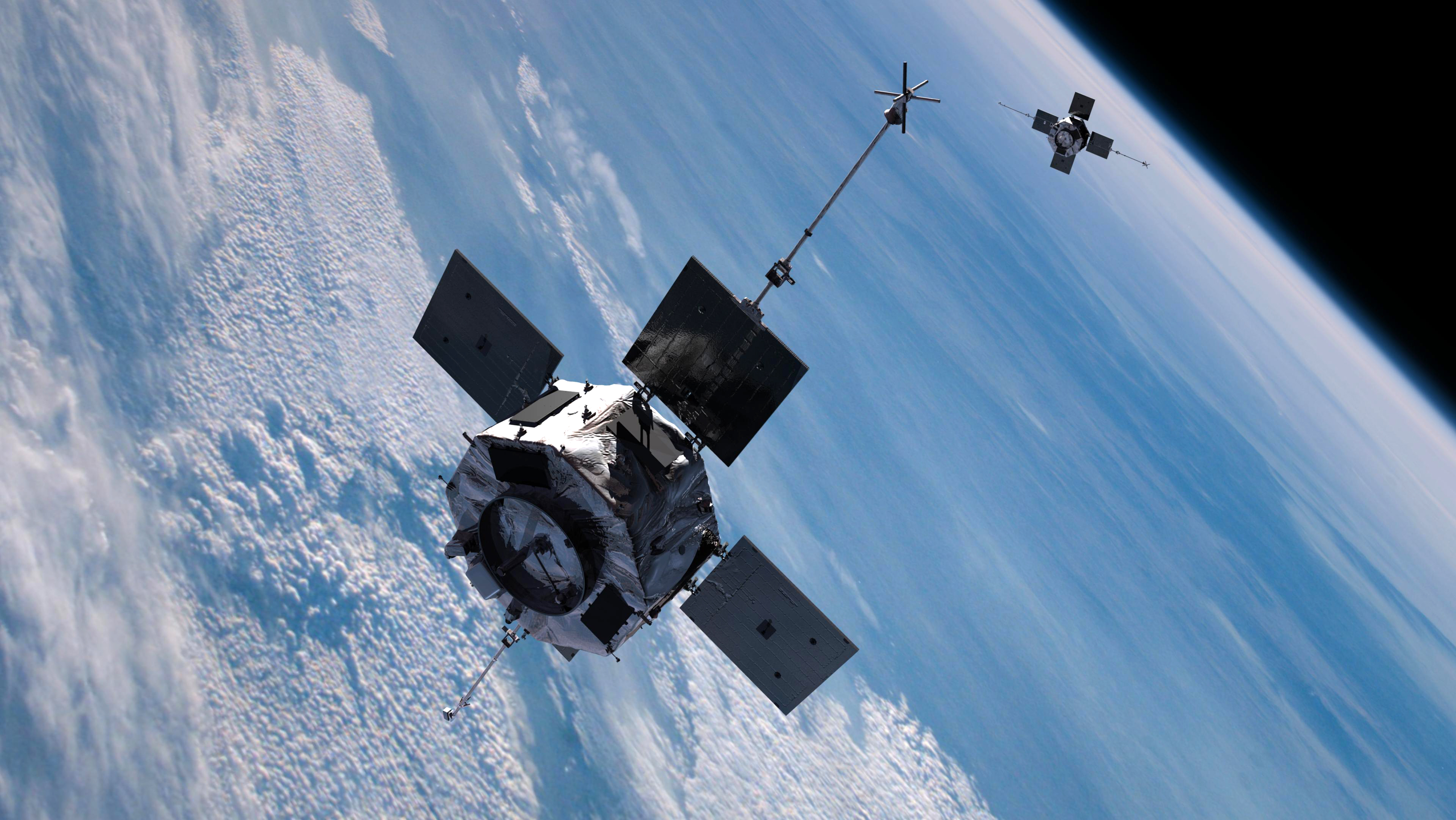
The Van Allen Probes, a NASA space mission, were designed to study the Van Allen radiation belts surrounding Earth. The two robotic spacecraft operated for seven years, providing valuable insights into the radiation belt environment and its variability. The mission was part of the Living With a Star program, aiming to understand the effects of the Sun on the Earth's magnetic field and the radiation belts. With a focus on spacecraft operations, system design, mission planning, and astronaut safety, the Van Allen Probes mission has significant practical applications. The Van Allen Probes have greatly advanced our understanding of the Earth's radiation belts, paving the way for future space exploration and research.
🚀 Origins & History
The Van Allen Probes were designed to study the Van Allen radiation belts, which are regions around Earth filled with high-energy particles, mostly protons and electrons. The probes were equipped with a range of instruments, including magnetic field sensors, particle detectors, and radiation monitors, to collect data on the radiation belts and their interaction with the Earth's magnetic field. The Van Allen Probes were part of the Living With a Star program, which aims to understand the effects of the Sun on the Earth's magnetic field and the radiation belts.
🛰️ How It Works
The Van Allen Probes were designed to operate in the harsh environment of the radiation belts, where high-energy particles can damage electronic components. The probes were built with radiation-hardened electronics and were designed to withstand the extreme conditions of the radiation belts. The probes were also equipped with a range of communication systems, including radio transceivers and antennas, to transmit data back to Earth. The data collected by the Van Allen Probes has been used to improve our understanding of the radiation belts and their interaction with the Earth's magnetic field.
📊 Key Facts & Numbers
The Van Allen Probes have collected a vast amount of data on the radiation belts, including measurements of the magnetic field, particle flux, and radiation levels. The data has been used to create detailed models of the radiation belts and their interaction with the Earth's magnetic field. The probes have also provided insights into the effects of solar activity on the radiation belts, including the impact of coronal mass ejections and solar flares. The Van Allen Probes have been used to study a range of phenomena, including the formation of the radiation belts, the transport of particles within the belts, and the interaction between the belts and the Earth's magnetic field.
👥 Key People & Organizations
The Van Allen Probes were designed and built by a team of scientists and engineers from NASA and its partners, including the Johns Hopkins University Applied Physics Laboratory and the University of Colorado Boulder. The mission was led by NASA, with contributions from a range of international partners, including the European Space Agency and the Canadian Space Agency. The Van Allen Probes were launched on an Atlas V rocket, built by United Launch Alliance. The mission was supported by a range of ground-based facilities, including the NASA Deep Space Network and the European Space Agency's European Space Operations Centre.
🌍 Cultural Impact & Influence
The Van Allen Probes have had a significant impact on our understanding of the radiation belts and their interaction with the Earth's magnetic field. The mission has provided valuable insights into the effects of solar activity on the radiation belts and has helped to improve our understanding of the risks posed by space weather. The Van Allen Probes have also contributed to the development of new technologies and techniques for studying the radiation belts, including the use of advanced radiation-hardened electronics and new methods for data analysis. The mission has been recognized with a range of awards, including the NASA Exceptional Service Medal and the American Institute of Aeronautics and Astronautics Space Exploration Award.
⚡ Current State & Latest Developments
The Van Allen Probes have paved the way for future space exploration and research, providing valuable insights into the radiation belts and their interaction with the Earth's magnetic field. The mission has contributed to the development of new technologies and techniques for studying the radiation belts. The Van Allen Probes have also highlighted the importance of continued investment in space research and exploration, particularly in the area of space weather and the radiation belts.
🤔 Controversies & Debates
The Van Allen Probes have been the subject of some controversy, particularly with regards to the risks posed by space weather. Some scientists have argued that the mission did not do enough to address the risks posed by solar activity, while others have argued that the mission was not adequately funded. The Van Allen Probes have also been the subject of some debate, particularly with regards to the use of radiation-hardened electronics and the impact of the mission on the development of new technologies.
🔮 Future Outlook & Predictions
The Van Allen Probes have provided valuable insights into the radiation belts and their interaction with the Earth's magnetic field. The mission has paved the way for future space exploration and research, and has contributed to the development of new technologies and techniques for studying the radiation belts. The Van Allen Probes have also highlighted the importance of continued investment in space research and exploration, particularly in the area of space weather and the radiation belts.
💡 Practical Applications
The Van Allen Probes have a range of practical applications, including the development of new technologies and techniques for studying the radiation belts. The mission has also contributed to the development of new methods for predicting space weather and mitigating its effects on spacecraft and astronauts. The Van Allen Probes have also provided valuable insights into the effects of solar activity on the radiation belts, which has important implications for the design and operation of spacecraft and astronauts.
Key Facts
- Year
- 2012
- Origin
- United States
- Category
- science
- Type
- topic
Frequently Asked Questions
What were the Van Allen Probes designed to study?
The Van Allen Probes were designed to study the Van Allen radiation belts, which are regions around Earth filled with high-energy particles, mostly protons and electrons. The probes were equipped with a range of instruments, including magnetic field sensors, particle detectors, and radiation monitors, to collect data on the radiation belts and their interaction with the Earth's magnetic field.
What were the key findings of the Van Allen Probes mission?
The Van Allen Probes mission provided valuable insights into the radiation belts and their interaction with the Earth's magnetic field. The mission showed that the radiation belts are highly dynamic and variable, and that they are affected by solar activity and the Earth's magnetic field.