
Contents
Overview
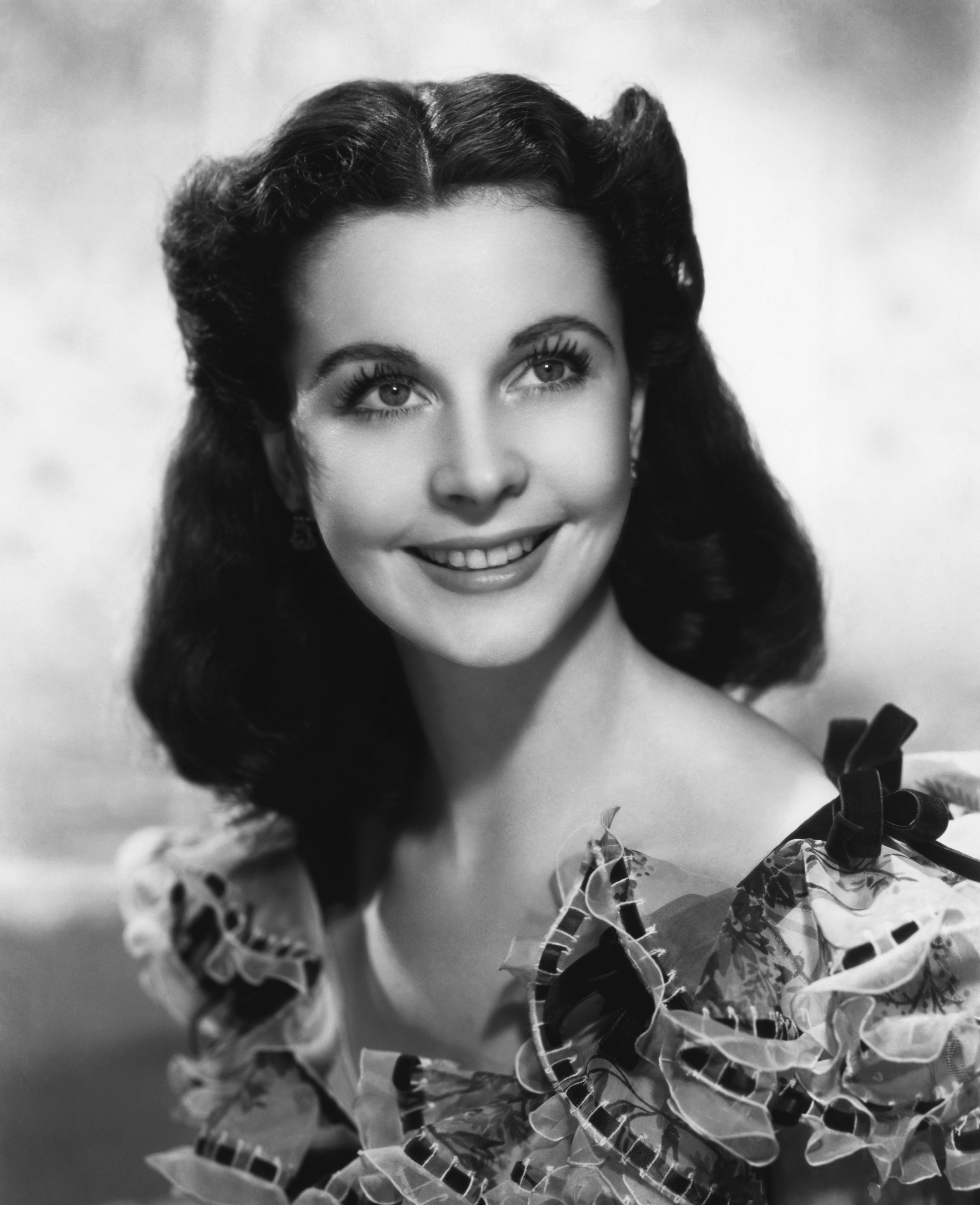
Vivien Leigh, born Vivian Mary Hartley, was a celebrated British actress whose luminous presence graced both the silver screen and the stage. She achieved global stardom for her dual Academy Award-winning performances as Scarlett O'Hara in Gone with the Wind (1939) and Blanche DuBois in A Streetcar Named Desire (1951). Despite her immense film success, Leigh considered herself primarily a theatre actress, dedicating much of her career to classical and contemporary stage roles. Her personal life, particularly her tumultuous marriage to Laurence Olivier, was often scrutinized by the press, adding a layer of tragic glamour to her public persona. Leigh's career spanned three decades, leaving an indelible mark on acting history through her passionate portrayals and enduring star power.
🎵 Origins & History
Vivien Leigh's journey began as Vivian Mary Hartley. Her father, Ernest Richard Hartley, was serving in the Indian Civil Service. Educated initially at the Loreto Convent in Darjeeling and later at the Woldingham School in England, young Vivian harbored theatrical ambitions from an early age. She adopted the stage name Vivien Leigh. Her early film appearances were minor, but she quickly progressed. Her breakthrough came with the historical drama Fire Over England (1937), where her performance as a lady-in-waiting caught the attention of producers and audiences alike, signaling the arrival of a significant new talent.
⚙️ How It Works
Leigh's acting methodology was characterized by an intense emotional commitment and a meticulous approach to character development, particularly evident in her stage work. She was known for immersing herself deeply in her roles, often to the point of personal strain. Her portrayal of Blanche DuBois in A Streetcar Named Desire on stage in London's West End, and later in the 1951 film adaptation, required her to channel profound vulnerability and psychological complexity. This dedication was also visible in her Shakespearean roles, such as Cleopatra, where she aimed for both regal authority and raw passion. Her ability to convey fragility and strength simultaneously made her a compelling presence, whether in intimate theatre settings or grand cinematic productions.
📊 Key Facts & Numbers
Vivien Leigh's career was punctuated by extraordinary achievements. She won the Academy Award for Best Actress not once, but twice: first for her iconic role as Scarlett O'Hara in Gone with the Wind, and again for her harrowing performance as Blanche DuBois in A Streetcar Named Desire. Her stage career boasted over 30 years of performances. Vivien Leigh holds a star on the Hollywood Walk of Fame at 6714 Hollywood Boulevard.
👥 Key People & Organizations
Key figures in Vivien Leigh's life and career include her second husband, the legendary actor and director Laurence Olivier. Her first husband was Herbert Leigh Holman, a barrister. Her daughter, Suzanne Farrington, was born in 1933. Leigh was also closely associated with playwrights and directors like Noël Coward and George Bernard Shaw, whose works she frequently performed. Producer David O. Selznick was instrumental in casting her as Scarlett O'Hara, a decision that catapulted her to international fame.
🌍 Cultural Impact & Influence
Leigh's cultural impact is immeasurable, primarily through her indelible portrayals of Scarlett O'Hara and Blanche DuBois. Scarlett remains a symbol of Southern resilience and ambition, while Blanche is a tragic figure of fading Southern bellehood, both characters deeply embedded in the American cultural consciousness. Leigh's performances set a benchmark for dramatic acting, influencing generations of actresses. Her personal life, marked by her intense relationship with Laurence Olivier and her struggles with bipolar disorder, also became a subject of fascination, contributing to her enduring mystique as a star who lived life with dramatic intensity. Her image continues to be referenced in fashion, film, and popular culture.
⚡ Current State & Latest Developments
Though Vivien Leigh passed away, her legacy continues to resonate. Her films, particularly Gone with the Wind and A Streetcar Named Desire, remain widely viewed and studied. Biographies and documentaries continue to explore her life and career, examining her artistic achievements alongside her personal challenges. The Vivien Leigh Award for stage acting, established in her memory, continues to recognize emerging talent. Her performances are frequently revived on classic film channels and streaming platforms, ensuring her work remains accessible to new audiences.
🤔 Controversies & Debates
The most significant controversy surrounding Vivien Leigh involved her personal life, particularly her highly publicized affair with Laurence Olivier while both were married to other partners. This relationship, which began during the filming of Fire Over England and continued through the production of Gone with the Wind, generated considerable scandal in the British press. Furthermore, Leigh's well-documented struggles with bipolar disorder and her sometimes volatile behavior on set, particularly during the filming of A Streetcar Named Desire, led to tensions and criticisms from some colleagues and critics, though many also lauded her raw talent and dedication.
🔮 Future Outlook & Predictions
The enduring appeal of Vivien Leigh suggests her performances will continue to be celebrated and analyzed. Future retrospectives, academic studies, and potential biographical films or series are likely to further explore her complex legacy. The ongoing relevance of her iconic roles in Gone with the Wind and A Streetcar Named Desire ensures her place in cinematic history. As discussions around mental health in the arts evolve, Leigh's experiences may offer new perspectives on the pressures faced by performers in the public eye, potentially leading to a more nuanced understanding of her life and work.
💡 Practical Applications
Vivien Leigh's performances serve as enduring case studies in acting technique and character interpretation. Her portrayal of Scarlett O'Hara is studied by aspiring actors for its blend of charm, resilience, and ruthlessness, while her Blanche DuBois is a masterclass in conveying psychological fragility. The films in which she starred, particularly Gone with the Wind, continue to be used in film studies programs to analyze narrative structure, historical context, and cinematic technique. Her stage work, though less accessible, is preserved through critical reviews and historical accounts, offering insights into the golden age of British theatre.
Section 11
Vivien Leigh was born Vivian Mary Hartley. She died on July 8, 1967, in Eaton Square, London, England. Her most famous roles were Scarlett O'Hara in Gone with the Wind (1939) and Blanche DuBois in A Streetcar Named Desire (1951). She won two Academy Awards for Best Actress for these roles. She was married to Laurence Olivier from 1940 to 1960. She was a highly regarded stage actress, performing in numerous Shakespearean plays and contemporary works.
Section 12
Vivien Leigh's acting career was defined by her ability to embody complex, often tragic, female characters with extraordinary emotional depth and visual flair. Her performances in [[gone-with-the-wind|Gone wit
Key Facts
- Category
- culture
- Type
- topic