
Contents
Overview
Xu Chenye's architectural journey began with a strong foundation in design principles, likely honed through rigorous academic training. While specific details of his early education and formative projects are not widely publicized, his later work suggests a deep understanding of large-scale urban planning and corporate architecture. His career trajectory indicates a deliberate focus on high-profile, complex projects that require meticulous attention to detail and a visionary approach to spatial design. This early period would have been crucial in developing the skills necessary to tackle the immense challenges presented by designing for a company like Tencent, a titan of the global technology industry.
⚙️ Designing Tencent's Towers
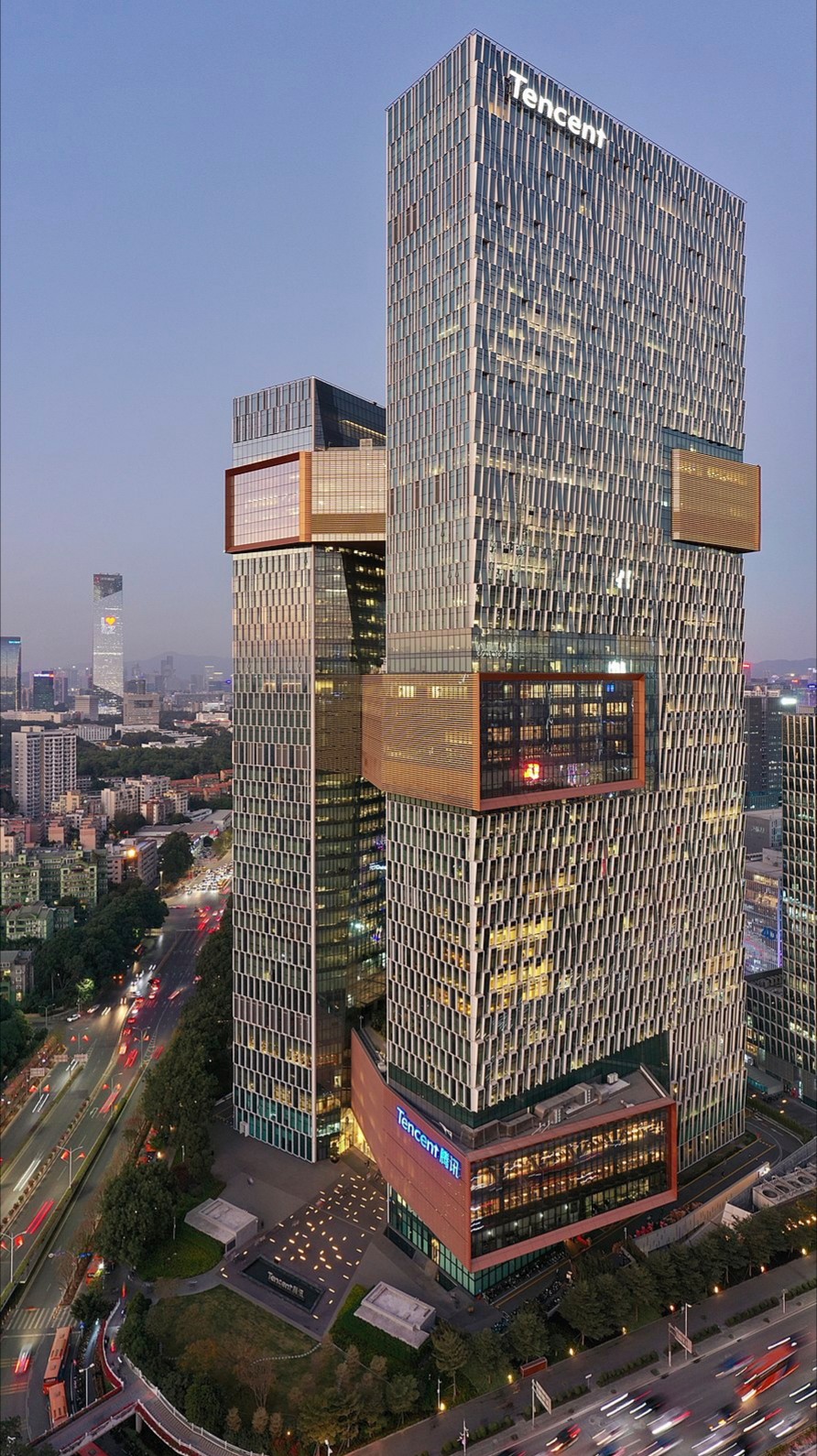
The Tencent Seafront Towers represent a significant addition to Shenzhen's skyline. The construction and planning phases involve intricate logistical coordination, advanced engineering, and substantial financial investment. The design of Tencent Helix was unveiled by the international architecture firm Büro Ole Scheeren. Xu Chenye's work is often a collaboration with renowned architectural firms and urban planners.
📊 Scale and Scope
The sheer scale of Xu Chenye's projects for Tencent is staggering. The construction and planning phases involve intricate logistical coordination, advanced engineering, and substantial financial investment, positioning these projects among the largest corporate developments globally.
👥 Key Collaborations & Influences
While Xu Chenye's name is most prominently associated with Tencent, his work is often a collaboration with renowned architectural firms and urban planners. The design of Tencent Helix, for instance, was unveiled by the international architecture firm Büro Ole Scheeren, suggesting a collaborative process where Xu likely contributed significant design input and oversight. His career is marked by an ability to integrate diverse expertise, from structural engineering to interior design, ensuring that the final built environment aligns with the client's vision and functional needs. His approach likely draws inspiration from global trends in sustainable architecture and smart city development.
🌍 Urban Impact in Shenzhen
The Tencent Seafront Towers and the forthcoming Tencent Helix are becoming landmarks that define the city's modern identity. These projects contribute to Shenzhen's reputation as a hub for technological innovation and architectural ambition. By creating massive, state-of-the-art campuses, Xu is shaping how major corporations integrate into urban environments, influencing local development patterns and the perception of the city on a global scale.
⚡ Current Projects & Vision
Beyond the ongoing development of Tencent Helix, Xu Chenye's current focus likely involves overseeing the intricate construction phases of this massive project and potentially exploring future architectural frontiers for Tencent or other major clients. His vision for corporate campuses extends beyond mere functional spaces, aiming to create environments that foster collaboration, well-being, and a strong sense of corporate culture. The successful realization of Tencent Helix will undoubtedly set new benchmarks for future corporate headquarters, influencing how technology companies design their physical presence worldwide.
🤔 Architectural Debates
The architectural choices made in projects like Tencent Helix often spark debate. Questions arise regarding the sustainability of such massive structures. Critics might question the monumental scale and the resources required, while proponents emphasize the economic benefits, job creation, and the creation of cutting-edge work environments. Xu Chenye's work navigates these discussions, balancing the client's ambitious vision with contemporary concerns about urbanism and environmental responsibility.
🔮 Future of Corporate Campuses
Xu Chenye's work offers a glimpse into the future of corporate campuses. As companies like Tencent continue to grow and evolve, their physical headquarters must adapt. The trend is moving towards more integrated, sustainable, and employee-centric designs that blend work, life, and innovation. Future campuses may incorporate more green spaces, advanced smart building technologies, and flexible work arrangements, reflecting a deeper understanding of employee needs and a commitment to environmental stewardship. Xu's designs for Tencent are at the forefront of this evolution.
💡 Design Philosophy
Xu Chenye's design philosophy appears rooted in creating environments that are both architecturally striking and highly functional, reflecting the identity and aspirations of the organizations they house. For Tencent, this means designing spaces that embody innovation, connectivity, and global reach. His approach likely emphasizes the symbiotic relationship between architecture and the user experience, ensuring that the physical space enhances productivity, creativity, and employee well-being. The integration of advanced technology and sustainable practices is also a hallmark of his forward-looking design ethos.
Key Facts
- Category
- person
- Type
- person