
Contents
- 🎵 Origins & History
- ⚙️ Legislative Pillars
- 📊 Key Facts & Numbers
- 👥 Key People & Organizations
- 🌍 Cultural Impact & Influence
- ⚡ Current State & Latest Developments
- 🤔 Controversies & Debates
- 🔮 Future Outlook & Predictions
- 💡 Practical Applications
- 📚 Related Topics & Deeper Reading
- Frequently Asked Questions
- References
- Related Topics
Overview
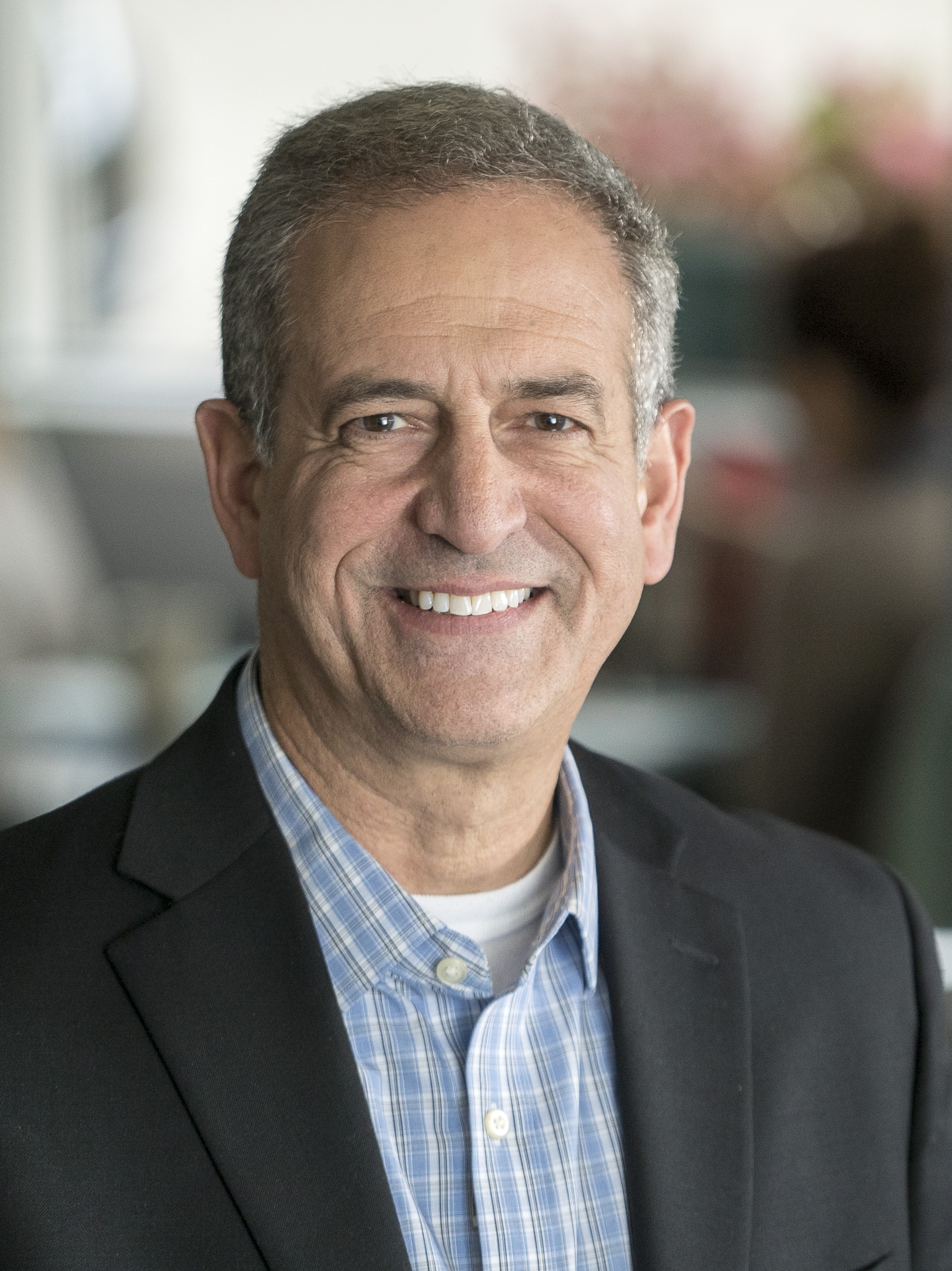
Russ Feingold, born March 2, 1953, is an American politician and lawyer renowned for his tenure as a United States Senator representing Wisconsin from 1993 to 2011. A prominent figure in the Democratic Party, Feingold is perhaps most famously recognized as the sole senator to vote against the Patriot Act following the September 11th attacks, a stance that underscored his commitment to civil liberties. Alongside John McCain, he co-sponsored the landmark Bipartisan Campaign Reform Act of 2002, commonly known as the McCain-Feingold Act, a significant piece of legislation aimed at overhauling campaign finance regulations. His career also includes service in the Wisconsin State Senate from 1983 to 1993, and he was the Democratic nominee for the U.S. Senate seat from Wisconsin in 2016. Feingold's dedication to public service has earned him accolades such as the John F. Kennedy Profile in Courage Award.
🎵 Origins & History
Russ Feingold's journey into public service began in Janesville, Wisconsin, where he was born on March 2, 1953. His early education at Joseph A. Craig High School laid the groundwork for a distinguished academic career. He pursued higher education at the University of Wisconsin–Madison, followed by studies at Magdalen College at Oxford University as a Rhodes Scholar, and ultimately earned his law degree from Harvard Law School in 1979. Feingold's political career commenced in the Wisconsin State Senate, representing the 27th district from 1983 to 1993, where he developed a reputation for his progressive ideals and commitment to constituent service. This foundation prepared him for his subsequent, more prominent role on the national stage.
⚙️ Legislative Pillars
Feingold's legislative legacy is largely defined by two monumental achievements: his solitary vote against the Patriot Act and his co-sponsorship of the Bipartisan Campaign Reform Act of 2002. In the immediate aftermath of the September 11th attacks, Feingold stood alone in the U.S. Senate, casting the sole dissenting vote against the Patriot Act, citing profound concerns about its potential to erode civil liberties and privacy rights. This principled stand, though controversial at the time, has since been viewed by many as prescient. His collaboration with Republican Senator John McCain on the McCain-Feingold Act represented a significant bipartisan effort to curb the influence of "soft money" in political campaigns, aiming to create a more equitable and transparent electoral process. The act introduced stricter regulations on campaign advertising and fundraising, fundamentally altering the landscape of American political finance.
📊 Key Facts & Numbers
Throughout his three terms in the U.S. Senate, Feingold served on key committees, including the Senate Judiciary Committee and the Senate Foreign Relations Committee. He was elected to the Senate in 1992 with 53.1% of the vote and re-elected in 1998 with 55.7% and again in 2004 with 56.0%. His 2016 bid for re-election saw him garner 46.7% of the vote, a narrower margin. Feingold's voting record consistently placed him among the more liberal members of the Senate, with an average liberal quotient of approximately 85% according to GovTrack.us analyses during his tenure. He authored over 100 bills that were signed into law, many of which focused on consumer protection and campaign finance reform.
👥 Key People & Organizations
Feingold's political career was shaped by his interactions with a range of influential figures and organizations. His collaboration with Republican Senator John McCain on campaign finance reform stands as a testament to bipartisan potential, earning them the John F. Kennedy Profile in Courage Award in 1999. Within the Democratic Party, he was a respected voice, though he also faced challenges from within his own party during his 2016 Senate campaign. His academic affiliations include teaching positions at Yale University, Marquette University, and Lawrence University, where he has shared his extensive experience in law and politics. His public service has also involved roles with organizations like the American Constitution Society, advocating for progressive legal principles.
🌍 Cultural Impact & Influence
Feingold's unwavering stance against the Patriot Act cemented his image as a principled defender of civil liberties, resonating with a segment of the American public concerned about government overreach. The McCain-Feingold Act significantly altered how political campaigns are funded and advertised, influencing countless elections and sparking ongoing debates about free speech and campaign finance. His career has inspired a generation of progressive politicians and activists who view him as a model for ethical public service. Beyond politics, his academic appointments at institutions like Yale University have allowed him to shape the next generation of legal and political minds, disseminating his views on governance and civil rights.
⚡ Current State & Latest Developments
Following his departure from the U.S. Senate in 2011, Feingold remained active in public discourse and policy advocacy. He served as a State Department official under John Kerry from 2013 to 2014, focusing on international election monitoring. In 2016, he made a bid to reclaim his Senate seat but was ultimately unsuccessful, losing to Republican incumbent Ron Johnson. Since then, Feingold has continued to engage with issues of democracy and civil liberties through various platforms, including his teaching roles at Yale University and Marquette University. He remains a prominent voice in discussions surrounding campaign finance reform and privacy rights, frequently commenting on contemporary political developments.
🤔 Controversies & Debates
The most significant controversy surrounding Feingold remains his lone vote against the Patriot Act. Critics at the time argued that his dissent was unpatriotic and undermined national security efforts in the wake of the 9/11 attacks. However, supporters contend that his vote demonstrated courage and foresight, highlighting potential constitutional overreaches that have since been borne out by subsequent revelations about government surveillance programs. The McCain-Feingold Act itself has also faced ongoing legal challenges and debates, particularly concerning its impact on political speech and the definition of "coordination" between campaigns and outside groups, with some arguing it infringes upon First Amendment rights.
🔮 Future Outlook & Predictions
Feingold's influence on the discourse surrounding campaign finance reform and civil liberties is likely to persist. As debates over privacy in the digital age and the role of money in politics continue, his past actions and legislative efforts will remain relevant reference points. It's plausible that future legislative attempts to reform campaign finance or enhance privacy protections will draw inspiration from the principles embodied in the McCain-Feingold Act and Feingold's principled stand against the Patriot Act. His continued engagement in academia suggests he will remain a significant voice in shaping the next generation of policymakers and legal scholars, potentially influencing future policy directions.
💡 Practical Applications
The principles behind the McCain-Feingold Act have direct practical applications in understanding and navigating the complexities of modern political campaigns. The legislation's focus on disclosure and limits on certain types of political advertising provides a framework for analyzing campaign spending and its potential impact. Feingold's stance on the Patriot Act offers a case study in the tension between national security and individual privacy, informing discussions about surveillance technologies and data protection. His work as a visiting professor at institutions like Yale University translates into practical education for students interested in law, politics, and public service, equipping them with critical perspectives on governance and advocacy.
Key Facts
- Year
- 1953-present
- Origin
- Janesville, Wisconsin, USA
- Category
- politics
- Type
- person
Frequently Asked Questions
What is Russ Feingold most famous for?
Russ Feingold is most famous for being the only U.S. Senator to vote against the Patriot Act in 2001, citing concerns about its impact on civil liberties. He is also widely recognized for co-sponsoring the Bipartisan Campaign Reform Act of 2002 with John McCain, a landmark piece of legislation aimed at regulating campaign finance. These actions cemented his reputation as a principled politician dedicated to constitutional rights and transparent governance.
What was the McCain-Feingold Act and why was it significant?
The McCain-Feingold Act, officially the Bipartisan Campaign Reform Act of 2002, was a major overhaul of U.S. campaign finance laws. It sought to limit the influence of 'soft money' – unregulated contributions to political parties – and increased disclosure requirements for political advertising. Its significance lies in its attempt to level the playing field in elections and reduce the potential for corruption or the appearance of corruption stemming from large, undisclosed donations. The act aimed to make campaigns more transparent and accountable to the public.
Why did Russ Feingold vote against the Patriot Act?
Russ Feingold's vote against the Patriot Act stemmed from his profound concerns about its potential to infringe upon the U.S. Constitution's guarantees of privacy and civil liberties. He argued that the broad powers granted to the government for surveillance and data collection could lead to abuses and erode fundamental freedoms. Feingold believed that while national security was paramount, it should not come at the expense of the rights and liberties that define American democracy. His dissent was a principled stand against what he perceived as an overreach of governmental power.
What has Russ Feingold done since leaving the U.S. Senate?
After leaving the U.S. Senate in 2011, Russ Feingold remained actively involved in public service and academia. He served as a State Department official from 2013 to 2014, focusing on international election monitoring. He also took on teaching roles at Yale University and Marquette University, sharing his expertise in law and politics. In 2016, he ran unsuccessfully to regain his Senate seat. He continues to be a vocal advocate for civil liberties and campaign finance reform, often commenting on current political issues.
What were the main criticisms of Feingold's stance on the Patriot Act?
The primary criticism leveled against Russ Feingold for his vote against the Patriot Act was that it was unpatriotic and undermined national security efforts during a critical period. Opponents argued that in the wake of the September 11th attacks, unity and support for the government's security measures were essential. Critics suggested his vote signaled a lack of commitment to protecting the nation from terrorism. This perspective often framed his concerns about civil liberties as secondary to the immediate need for enhanced security powers, leading to significant public debate and political pressure.
How did the McCain-Feingold Act affect political advertising?
The McCain-Feingold Act significantly impacted political advertising by restricting the use of 'soft money' by national political parties for electioneering communications. This meant that funds not subject to federal limits could no longer be used for ads that explicitly advocated for or against a candidate close to an election. The act also increased disclosure requirements for 'issue ads' and required coordination between campaigns and outside groups to be more transparent. The goal was to reduce the influence of large, often anonymous, donors and ensure that campaign messaging was more directly attributable and regulated.
What is Feingold's current role in public life?
Currently, Russ Feingold is actively engaged in public life primarily through his academic roles and continued advocacy. He holds positions as a visiting professor at Yale University and Marquette University, where he educates students on law, politics, and public service. He remains a prominent voice in discussions surrounding civil liberties, privacy rights, and campaign finance reform, frequently offering commentary on contemporary political events and policy debates. While he is not currently holding elected office, his influence persists through his writings, lectures, and public statements.