
Contents
Overview
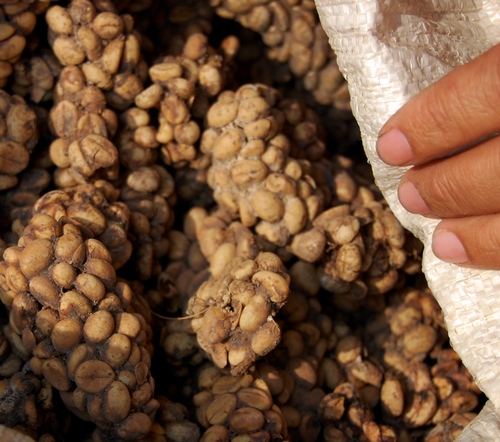
Civet.one.health is a digital initiative dedicated to dissecting the multifaceted relationship between civets, particularly the Asian palm civet, and human activities, with a primary focus on the production of kopi luwak coffee. The platform aims to provide comprehensive information on the biological, ethical, and public health implications stemming from the capture and farming of civets for this niche commodity. It delves into the origins of civet coffee, the welfare concerns surrounding farmed civets, and the potential zoonotic disease risks associated with close human-animal contact in such environments. By aggregating data and research, Civet.one.health seeks to foster a more informed understanding of the 'one health' paradigm as it applies to this specific, often controversial, industry.
🎵 Origins & History
The specific digital platform, Civet.one.health, appears to have emerged more recently, aiming to consolidate and present information on this phenomenon through a modern web interface, likely within the last decade, though its precise launch date and founding entity require further clarification.
⚙️ How It Works
Civet.one.health functions as an informational hub, aggregating and presenting data related to the Asian palm civet and its role in the production of kopi luwak coffee. The platform likely utilizes a combination of curated articles, research summaries, and potentially data visualizations to explain the biological processes involved – from civet digestion and fermentation to bean collection and processing. It also aims to elucidate the 'one health' framework, illustrating how the health of animals, humans, and the environment are interconnected, particularly in the context of wildlife trade and intensive farming practices. The site's architecture suggests a focus on educational content rather than direct commerce or advocacy, serving as a knowledge repository.
📊 Key Facts & Numbers
The Asian palm civet population has seen a significant decline. Numerous pathogens have been identified in civet populations, highlighting potential public health risks, though specific numbers of human infections directly linked to kopi luwak production remain largely unquantified in public health databases.
👥 Key People & Organizations
While the specific founders and operators of the Civet.one.health platform are not immediately apparent from its public-facing content, its mission aligns with the work of various animal welfare organizations and scientific bodies. Groups such as World Animal Protection and the Borneo Conservation Trust have been vocal about the ethical concerns surrounding civet farming. Researchers like Dr. Laila Soufian have contributed to understanding the welfare issues and potential disease transmission from civets. The platform likely draws upon the findings of academic institutions and conservation groups that study wildlife trade and zoonotic diseases, acting as a curator of their collective knowledge.
🌍 Cultural Impact & Influence
The cultural impact of kopi luwak is primarily as an exotic luxury good, often marketed for its unique production method and perceived exclusivity. The controversy surrounding civet coffee has filtered into popular media, influencing discussions about responsible consumption and the ethics of wildlife exploitation. The very existence of platforms like Civet.one.health signifies a growing awareness and demand for transparency regarding the origins and production methods of food and beverage items, pushing for a more conscientious consumer culture.
⚡ Current State & Latest Developments
Efforts to develop 'civet-free' alternatives or synthetic enzymes that mimic the digestive process are also underway, signaling a potential shift away from live animal involvement. The platform Civet.one.health likely continues to update its information to reflect these evolving market dynamics and scientific findings on animal health and disease transmission.
🤔 Controversies & Debates
The primary controversy surrounding kopi luwak production centers on animal welfare. Reports from organizations like PETA and The Animal Welfare Board of India detail the cramped, unsanitary conditions, malnutrition, and stress experienced by civets kept in farms. Many civets are captured from the wild, leading to population declines and disrupting ecosystems. The debate pits the pursuit of a unique luxury product against fundamental ethical considerations for animal well-being and human health.
🔮 Future Outlook & Predictions
The future outlook for kopi luwak production is increasingly uncertain, leaning towards a decline in ethically questionable practices. As consumer awareness grows and regulatory pressures mount, the demand for farmed civet coffee is likely to diminish. Innovations in food science, such as the development of artificial enzymes that can replicate the digestive fermentation process without animal involvement, could offer a sustainable alternative, though their market penetration remains to be seen. The 'one health' perspective championed by platforms like Civet.one.health will likely gain further traction, pushing for greater accountability in wildlife trade and food production.
💡 Practical Applications
The most direct practical application of the information provided by Civet.one.health is for consumers seeking to make informed purchasing decisions regarding kopi luwak. By understanding the welfare and health implications, consumers can choose to avoid products associated with animal cruelty and potential disease transmission. For researchers and policymakers, the platform serves as a consolidated resource for understanding the 'one health' challenges posed by wildlife commodification. It can inform the development of regulations, conservation strategies for the Asian palm civet, and public health advisories related to exotic animal products. The information also aids journalists and educators in raising awareness about these complex issues.
Key Facts
- Category
- platforms
- Type
- platform