Kevin Warsh Tapped to Lead Federal Reserve | Vibepedia News
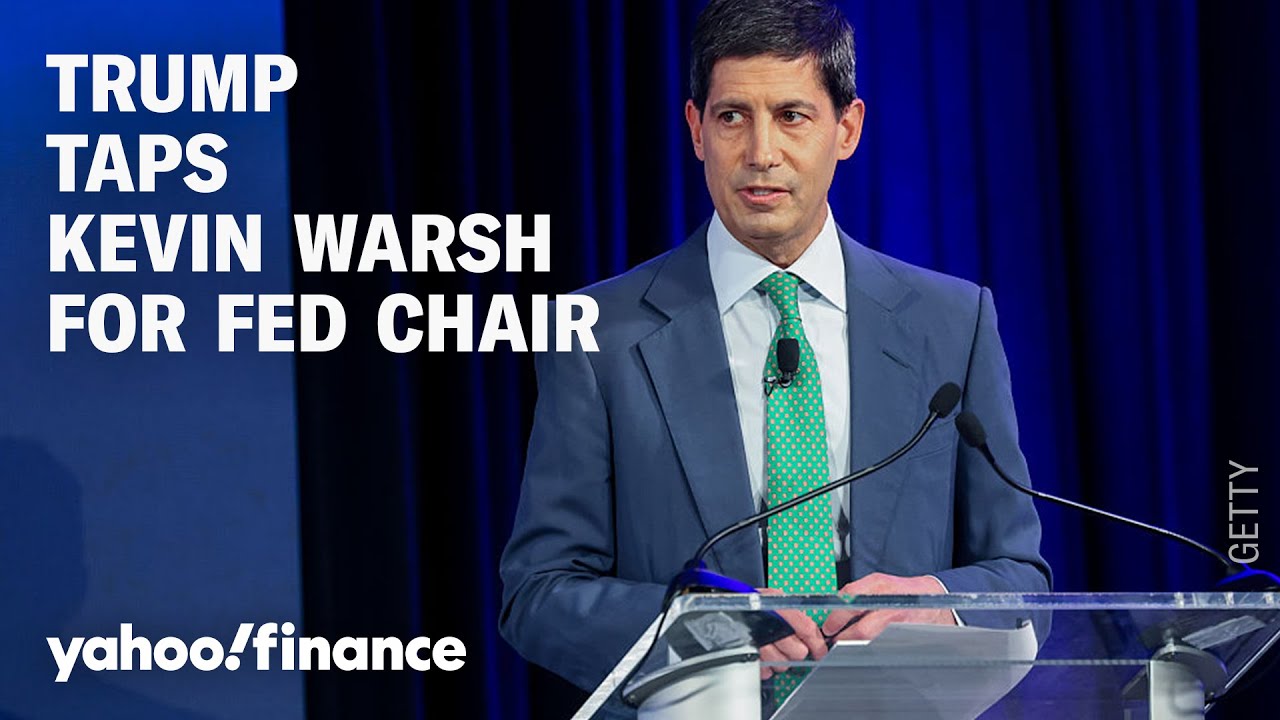
The Senate has officially confirmed **Kevin M. Warsh** as the next Chair of the **Federal Reserve**, replacing **Jerome H. Powell**. This appointment marks a…
Summary
The Senate has officially confirmed **Kevin M. Warsh** as the next Chair of the **Federal Reserve**, replacing **Jerome H. Powell**. This appointment marks a significant moment for U.S. monetary policy, bringing a figure with a distinct economic philosophy back into a central leadership role. Warsh, a former Fed governor himself, is expected to bring a different approach to interest rates and economic regulation compared to his predecessor. His confirmation, occurring on a Wednesday, sets the stage for a new era at the nation's central bank, with implications for inflation, employment, and financial markets.
Key Takeaways
- Kevin Warsh has been confirmed as the new Chair of the Federal Reserve.
- He succeeds Jerome H. Powell, marking a change in leadership at the central bank.
- Warsh's appointment signals a potential shift in monetary policy direction.
- His past record suggests a focus on price stability and fiscal discipline.
- Market and economic implications will unfold as his tenure begins.
Balanced Perspective
The confirmation of **Kevin Warsh** as Federal Reserve Chair is a procedural event following a Senate vote. His tenure will be defined by his policy decisions regarding interest rates, quantitative easing, and financial regulation. The immediate impact will be observed in market reactions and subsequent economic data, as analysts and economists dissect his every move. His past statements and voting record as a Fed governor will be scrutinized for clues to his future actions.
Optimistic View
Warsh's confirmation offers a chance to recalibrate monetary policy with a focus on **long-term price stability** and **sound fiscal principles**. His background suggests a commitment to a more predictable and rules-based approach, which could foster greater confidence among investors and businesses. This could lead to a more stable economic environment, free from the volatility sometimes associated with more interventionist policies, ultimately benefiting [[us-economy|the U.S. economy]].
Critical View
Warsh's appointment raises concerns about a potential return to **tighter monetary policy** that could stifle economic growth and increase unemployment. His past skepticism towards certain quantitative easing measures and his emphasis on fiscal discipline could lead to premature interest rate hikes, harming businesses and consumers. There's also apprehension that his less conventional views might introduce **unforeseen volatility** into financial markets, disrupting the stability achieved under Powell.
Source
Originally reported by The New York Times