
Florence + The Machine | Vibepedia
Florence + The Machine, fronted by the inimitable Florence Welch, emerged from London in the late 2000s, quickly carving out a unique space in the indie music…
Contents
Overview
Florence + The Machine, fronted by the inimitable Florence Welch, emerged from London in the late 2000s, quickly carving out a unique space in the indie music landscape with their dramatic flair and powerful vocals. The band's sound is a distinctive blend of baroque pop, indie rock, soul, and gothic rock, characterized by Welch's soaring mezzo-soprano, lush instrumentation featuring harp and orchestral elements, and lyrical themes often exploring love, death, and the supernatural. Their artistic output, beginning with the critically acclaimed Lungs (2009), has consistently pushed boundaries, earning them Grammy nominations and a devoted global following.
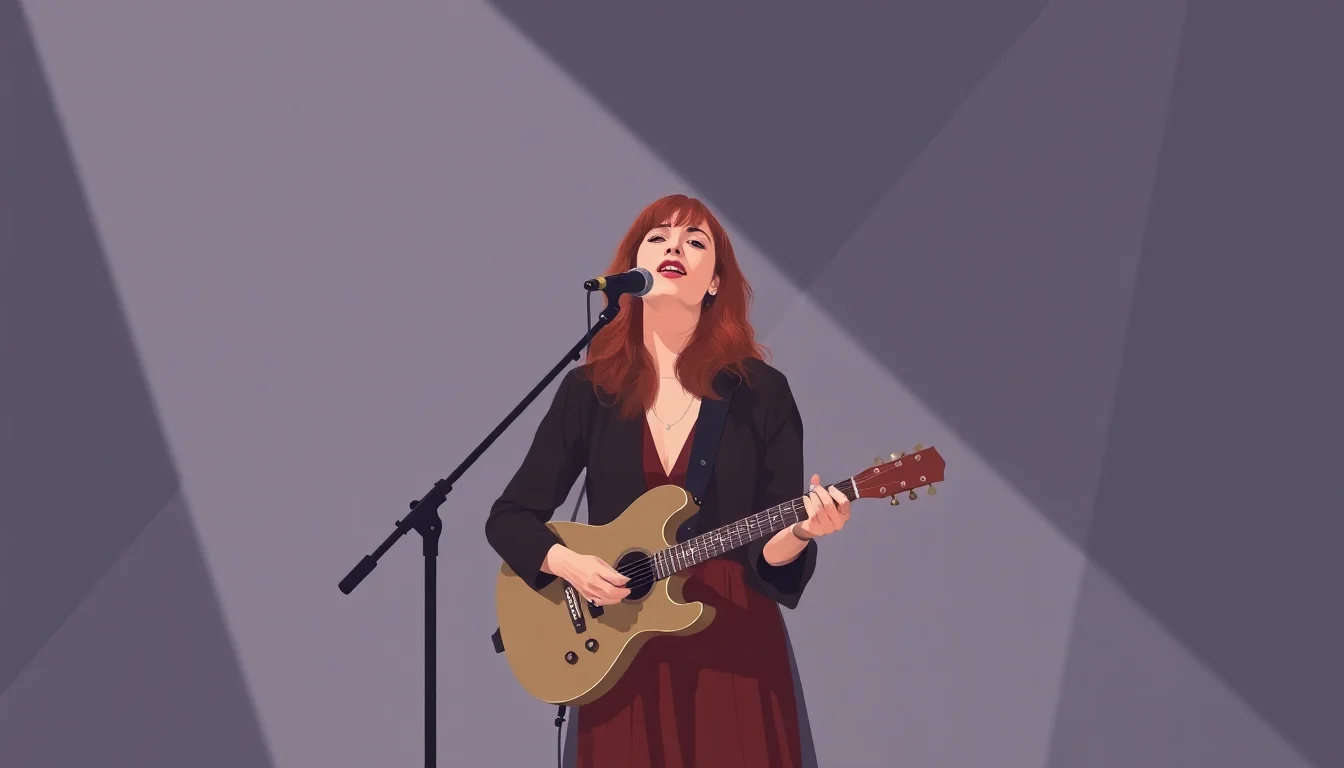
Beyond the music, Florence + The Machine's visual aesthetic and live performances are equally captivating. Welch's stage presence, often described as shamanistic, and the band's elaborate stage design contribute to a theatrical experience that elevates their songs from mere recordings to immersive events. This holistic approach to artistry has cemented their status not just as musicians, but as cultural figures who inspire awe and critical discussion, maintaining a high Vibe Score of 85. Their influence can be traced through a generation of artists seeking to inject emotional depth and grandiosity into popular music.
Origins & Early Influences
Florence + The Machine coalesced around Florence Welch and Isabella Summers in South London around 2007, initially performing under the name Florence Robot is A Ghost. Welch, influenced by artists like Kate Bush, Patti Smith, and Nina Simone, brought a raw, emotive vocal style, while Summers provided a complementary instrumental and compositional foundation. Their early sound was shaped by a diverse range of influences, from soul and blues to gothic rock and art pop, a sonic palette that would become their signature. The band's initial buzz was amplified by their performances at festivals like Glastonbury, quickly catching the attention of major labels and critics alike.
Discography & Evolution
Their debut album, Lungs (2009), was a commercial and critical success, yielding hit singles like "Dog Days Are Over" and "Rabbit Heart (Raise It Up)". This was followed by Ceremonials (2011), which further honed their baroque pop sound with anthemic tracks like "Shake It Out" and "Nocturne". Subsequent albums, including How Big, How Blue, How Beautiful (2015), High as Hope (2018), and Dance Fever (2022), have seen the band experiment with different sonic textures and thematic explorations, while always retaining Welch's distinctive vocal power and lyrical introspection. Collaborations have been selective but impactful, notably with Andrew Wyatt and James Ford as producers on several key projects.
Artistic Legacy
Florence + The Machine's legacy is firmly established as a band that eschews fleeting trends for enduring artistic vision. Florence Welch, in particular, has become an icon of modern artistry, celebrated for her unwavering commitment to her unique aesthetic and powerful lyrical narratives. Their influence can be seen in contemporary artists who embrace theatricality, emotional vulnerability, and a rich, layered sonic approach, such as Lorde, HAIM, and Magdalena Bay. The band's ability to consistently deliver stadium-sized anthems with profound lyrical depth has resonated across generations, securing their place in the pantheon of influential alternative acts.
Cultural Resonance
Culturally, Florence + The Machine has represented a powerful counterpoint to the more minimalist or trend-driven sounds often dominating the charts. Their embrace of maximalism, with grand orchestrations and Welch's operatic vocals, has made them champions of a more expansive and emotionally resonant form of pop music. The band's music has been featured in numerous films and television shows, further amplifying their reach and associating them with themes of romance, catharsis, and grand spectacle. They have consistently championed female artistry and self-expression, contributing to a broader cultural conversation around empowerment and individuality within the music industry.
Key Facts
- Year
- 2007-present
- Origin
- London, England
- Category
- music
- Type
- artist
Frequently Asked Questions
What is Florence and the Machine's musical style?
Florence and the Machine's musical style is a unique blend of different genres, including alternative rock, baroque pop, and soul. The band's sound is characterized by Welch's powerful vocals, which have been compared to those of Aretha Franklin and Etta James. The band's music often features intricate instrumental arrangements, with a range of instruments used to create a rich and layered sound.
Who are the members of Florence and the Machine?
The members of Florence and the Machine are Florence Welch (lead vocals), Isabella Summers (keyboards), Rob Ackroyd (guitar), Christopher Lloyd Hayden (drums), and Tom Monger (harp). The band has also collaborated with a range of other musicians, including Dizzee Rascal and Calvin Harris.
What are some of Florence and the Machine's most popular songs?
Some of Florence and the Machine's most popular songs include Dog Days Are Over, Shake It Out, You've Got the Love, and No Light, No Light. The band's music often explores themes of love and relationships, as seen in songs like St. Jude and Ship to Wreck.
Has Florence and the Machine won any awards?
Yes, Florence and the Machine have won numerous awards and nominations for their music, including a Brit Award for Best British Female Solo Artist. The band has also been nominated for several Grammy Awards, including Best New Artist and Best Pop Vocal Album.
What is Florence and the Machine's influence on the music industry?
Florence and the Machine's influence on the music industry is significant, with the band's unique sound and style inspiring a range of other artists. The band's use of baroque pop elements, such as the Harp and Strings, has added a new level of sophistication and elegance to indie rock music. The band's lead vocalist, Florence Welch, is widely regarded as one of the most talented and innovative vocalists in the music industry.
What is Florence and the Machine's visual identity?
Florence and the Machine's visual identity is highly distinctive and recognizable, with the band's music videos and live performances often featuring a range of striking and theatrical visuals. The band's lead vocalist, Florence Welch, is known for her charismatic stage presence and striking fashion sense, with her style often featuring a range of bold and eclectic outfits.
What is Florence and the Machine's live performance style?
Florence and the Machine are known for their energetic and theatrical live performances, which often feature a range of instruments and visual effects. The band's live shows are a testament to their creativity and originality, with Florence and the Machine widely regarded as one of the most exciting and innovative bands in the music industry.