
Contents
Overview
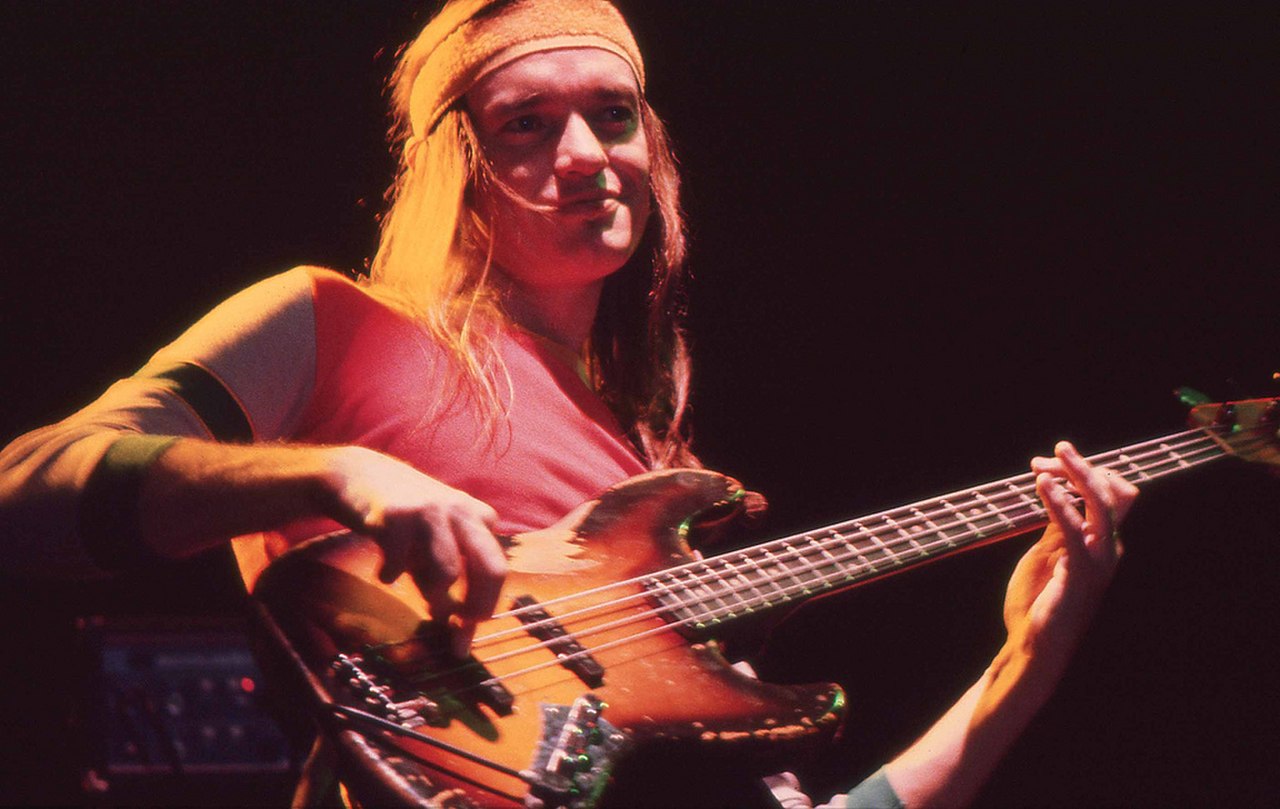
Jaco Pastorius, born John Francis Anthony Pastorius III on December 1, 1951, in Norristown, Pennsylvania, is widely regarded as one of the most influential electric bass guitarists in history. His innovative approach to the instrument, particularly his pioneering use of the fretless bass and his virtuosic technique, fundamentally altered the perception of the bass guitar from a supporting role to a lead melodic voice. Pastorius's sound was characterized by its fluid, horn-like tone, complex harmonic ideas, and a deeply expressive improvisational style that drew from jazz, funk, rock, and Latin music. His brief but incandescent career left an indelible mark on countless musicians across various genres.
His most celebrated work came with the jazz fusion band Weather Report, particularly on albums like Heavy Weather (1977), which featured his iconic composition "Birdland". Prior to Weather Report, Pastorius released his seminal self-titled debut album, Jaco Pastorius (1976), showcasing his solo prowess with tracks like "Come On, Come Over" and his groundbreaking rendition of Donna Lee on fretless bass. Despite his immense talent, Pastorius struggled with mental health issues and substance abuse, which tragically cut short his career and life, leading to his death on September 21, 1987, at the age of 35.
Early Life & Influences
Born into a musical family, Jaco Pastorius's early exposure to various musical styles in South Florida laid the groundwork for his eclectic approach. He initially played drums before switching to bass guitar, quickly developing a unique style due to a wrist injury sustained playing football, which led him to favor the fretless bass. His early gigs in local bands like The Legends and Jon and Dade County Line showcased his burgeoning talent and distinctive sound, drawing the attention of musicians like Pat Metheny, who would become an early champion and collaborator. This period saw him absorb influences from R&B, soul, and the burgeoning funk scene.
Career & Discography
Pastorius's career exploded in the mid-1970s. His 1976 self-titled debut album, Jaco Pastorius, was a revelation, demonstrating his command of the fretless electric bass with astonishing speed, melodic invention, and harmonic sophistication. This led to his recruitment by Weather Report in 1976, where he became a co-leader alongside Joe Zawinul and Wayne Shorter. With Weather Report, he recorded landmark albums including Heavy Weather (1977), Mr. Gone (1978), and 8:30 (1979), cementing his status as a global star. He also released the critically acclaimed live album The Birthday Concert (1981) and performed with a staggering array of artists, including Joni Mitchell, Herbie Hancock, and Miles Davis.
Legacy & Influence
Jaco Pastorius's legacy is immense and multifaceted. He elevated the electric bass to a new level of virtuosity and expressiveness, inspiring generations of bassists in jazz, rock, funk, and beyond. His distinctive tone, harmonic vocabulary, and improvisational freedom became a benchmark for bass players worldwide. Artists such as Flea of the Red Hot Chili Peppers, Victor Wooten, and Thundercat have explicitly cited Pastorius as a primary influence. His work with Weather Report, particularly "Birdland", remains a touchstone of the jazz fusion genre.
Cultural Impact
Beyond his technical prowess, Pastorius embodied a unique blend of raw energy and profound musicality. His stage presence was electrifying, often characterized by intense improvisation and a charismatic, sometimes volatile, demeanor. He pushed the boundaries of what was considered possible on the bass, integrating slap technique, harmonics, and complex chordal passages with unprecedented fluidity. His influence extends beyond musicians to producers and composers who recognized his innovative sonic contributions to the recorded music landscape. The tragic trajectory of his life also serves as a cautionary tale, highlighting the struggles faced by many artists in navigating fame, mental health, and addiction within the music industry. His music continues to be celebrated and studied, proving its enduring cultural resonance.
Key Facts
- Year
- 1951-1987
- Origin
- Norristown, Pennsylvania
- Category
- music
- Type
- artist
Frequently Asked Questions
What is Jaco Pastorius most famous for?
Jaco Pastorius is most famous for revolutionizing the electric bass, particularly the fretless bass, transforming it from a rhythm section instrument into a lead voice. His iconic tone, virtuosic technique, and compositions like "A Remark You Made" and his work with Weather Report on "Birdland" are hallmarks of his legacy.
Which Jaco Pastorius album should I listen to first?
For a perfect introduction, start with his self-titled debut album, Jaco Pastorius (1976). It's a stunning display of his compositional and improvisational genius. If you prefer a band context, Heavy Weather by Weather Report is an essential listen, featuring some of his most celebrated work.
Was Jaco Pastorius a member of Weather Report?
Yes, Jaco Pastorius was a pivotal member of the jazz fusion group Weather Report from 1976 to 1981. His tenure with the band is widely considered one of its most creative and commercially successful periods, producing albums like Heavy Weather and 8:30.
What made Jaco's bass playing unique?
Jaco's uniqueness stemmed from his pioneering use of the fretless Fender Jazz Bass, his fluid, vocal-like tone achieved through advanced techniques like harmonics and slap bass, and his profound melodic sensibility. He approached the bass not just rhythmically, but as a complete melodic and harmonic instrument, influencing countless musicians.
How did Jaco Pastorius influence other musicians?
His influence is vast, impacting generations of bass guitarists across genres including jazz, funk, and rock. Musicians adopted his fretless techniques, melodic phrasing, and innovative harmonic concepts. Artists like Marcus Miller, Victor Wooten, and Flea have cited him as a major inspiration, demonstrating the wide reach of his influence flows.
What is the 'Jaco Vibe'?
The 'Jaco Vibe' refers to the distinctive musical energy and sonic signature of Jaco Pastorius. It encompasses his unique tone, his melodic inventiveness, his rhythmic drive, and the emotional depth he brought to his playing. It's a combination of technical mastery and soulful expression that defines his sound.